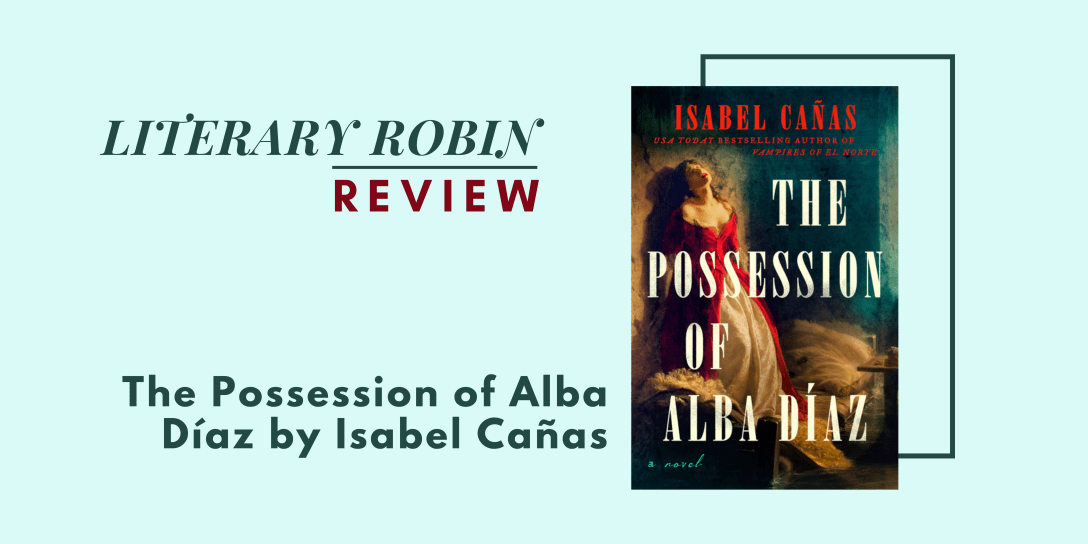
When a devastating plague strikes Zacatecas, Alba Díaz flees with her overbearing parents to her fiancé’s isolated home in the mountains, never expecting that there are far greater horrors in store than an unforgiving plague. Alba has had enough time to come to terms with her future as little more than property to her husband. The only choice she has is in the match—resigning herself in marriage to Carlos Monterrubio, an uninspiring young man who can afford her a comfortable life. Elías Monterrubio is running as far away from his past as he can, but his choices continue to haunt him. Cousin to Alba’s fiancé, Elías has no intention to ever interact with Alba, until a chance interaction in a courtyard changes everything and weakens his resolve. Attached to the Monterrubio hacienda is a silver mine, one that calls to Alba’s unknown past. Wandering in the night as if under a spell, Alba is victim to strange trances, hallucinations, and bouts of violence. Knowing she cannot rely on her family, nor the priest who joined the flight to the mine, Elías is her only ally in uncovering the truth. Fighting for her life against a malevolent entity, Alba soon finds her real demons are more man-made than she initially believed, and she could lose herself in excising them.
With the state of things, now more than ever I want to read about blood soaked women, the women who fight tooth and claw (wink wink) for their futures in a world set to dually possess and demonize them. With that resounding desire in mind, The Possession of Alba Díaz found its way into my hands. Isabel Cañas’ latest novel is an atmospheric gothic bloodbath involving the Inquisition, patriarchy, and autonomy, furthering plots far more violent than a mere possession. Alba Díaz, a young woman facing down a loveless marriage, flees various monsters real and mythic in a desperate attempt to seize control of a future that was never hers to own. From the moment I read the lines, “Alba plotted to sin again,” I knew I was in the hands of a master and Cañas spends this entire novel proving that to be true. Where the greatest fear is standing strong in the face of those who seek to demean and control, The Possession of Alba Díaz leads its protagonist down a path where she aligns with the demon within. It’s a haunting tale retold that begs the question if we can ever achieve control of our own narratives or if autonomy can only be gained through giving into our own demonization.
With Isabel Cañas’ novels, the characters are everything and the devil can be found within her unnerving backdrops. Plagues, confessions, and engagements begin this novel of demonic possession, with two perspectives that open up this novel to its tantalizing blend of horror and romance. Like both of her previous works, The Possession of Alba Díaz combines historical fiction, horror, and the gothic—proving these genres can and should contrast. Casa Calavera, a silver mine with a dark past, is a perfectly eerie setting for Cañas to conduct her expose into possession and patriarchy. The inner workings to the mine and the process of silver extraction are revealed, underpinning to the horror and illuminating the more intentional choices of these wealthy landowners. Cañas’ focus on worker exploitation at the heart of the horror, amidst Alba’s possession, and Elías connection to silver and dark magic is the beating center for everything that follows. Amongst these horrific moments of possession, The Possession of Alba Díaz develops familial and romantic relationships that outlast even the most gruesome of confrontations.
As a dark force sinks into Alba’s consciousness, Isabel Cañas brings together an unexpected partnership between Alba and Elías Monterrubio. I’m a sucker for any kind of romance subplot, especially in horror, so this really worked for me. Both Alba and Elías are trapped in their own ways and their appearance at hacienda de minas is a representation of that made real. Elías is the perfect romance hero, a bit tortured at times but resolute in aiding Alba in excising the demon possessing her. His attention to her problem was like a man possessed, which of course is romance representation I can only commend. Elías’ is being driven by the sins of his past, and his skill in amalgamating silver and his stockpile of mercury have led him to Casa Calavera. Cañas uncovers his past in connection to Alba’s and both were an expert source of tension for their developing romance and this novel’s unsettling aura. Cañas serves up her tried and true horror romance and gives Alba and Elías a chance to reach for a future that is theirs, one unencumbered by familial machinations and the intrusion of outside forces.
The Possession of Alba Díaz reaches a blood soaked conclusion with the confrontation promised in its first chapter. That penultimate chapter at a Zacatecan cathedral is the culmination of everything Isabel Cañas has been building to from the beginning of this novel and god was it worth it. The claws come out and it is a violent and bloody mess, but it’s all Alba’s. Cañas’ take that sometimes giving into the demon is okay is exactly what I wanted from this story—a cathartic and visceral choice but as we soon learn, a necessary one. That it is future Alba providing the outer narration bridging us into and out of the story is not entirely surprising, but it’s a missing piece that makes the conversation surrounding autonomy and cautionary tales that much more intense. Alba takes part in her own mythologization, the telling of the tale evident of her part in not just the story itself, but its ending. The Possession of Alba Díaz is my new favorite romantic horror story from Cañas. This unsettling novel creeps in like a demon taking hold, but every part is a tension filled dream of claws, silver, and sorcery.
Thank you to Netgalley and the publisher for providing the advance review copy.
Trigger warnings: death, blood, violence, murder, gore
 Literaryrobin