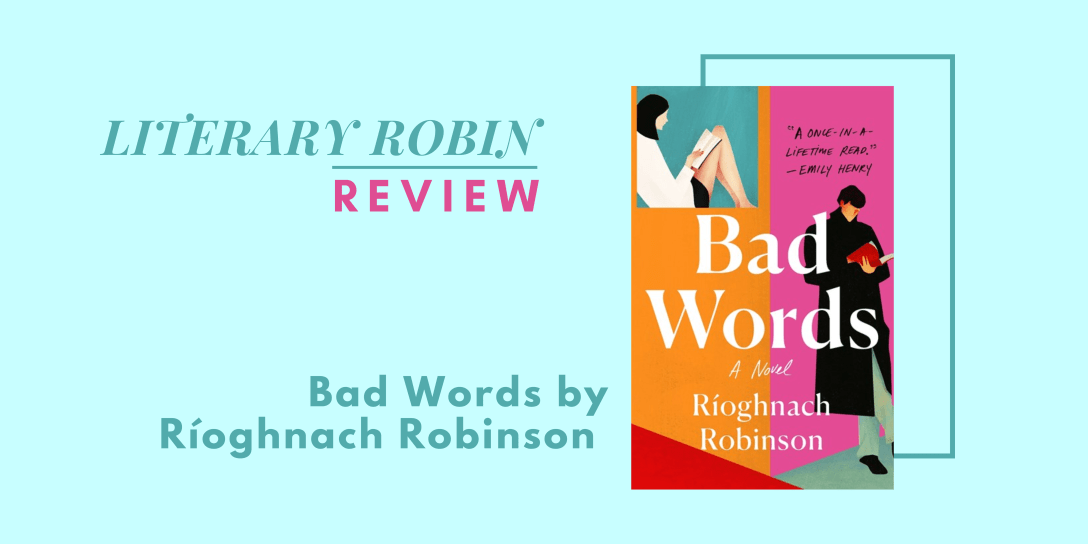
Author Parker Navarro’s debut novel was supposed to be a success. The advance: more than staggering, with early reviews slating it as the book of the year. All castles must crumble and Parker’s fell at the hands of notorious book critic, Selina Chan, who panned his book, dubbing it a “stupefying misfire”. Superseded by more negative reviews and online vitriol, his debut was in its own category of failure. Four years after the flop that was his first novel, Parker hopes to claw himself out of the pit when who should publish a review but the woman who buried him in the first place. Selina Chan would rather have not been tasked with reviewing Parker’s sophomore novel, but declining funds and readership at City Magazine necessitate she do her job by any and all avenues. So it’s just her luck that the author in question approaches her at an industry party and they get into a scathing argument—one that is filmed without their knowledge. Their feud gone viral, Selina and Parker navigate new scrutiny in a landscape that seems to benefit them: Parker with increased preorders of his upcoming novel and Selina with magazine viewership. Neither wants to back down, not with their entire futures on the line. Yet as Parker and Selina clash, they soon realize no one understands you quite like an enemy, and that animosity is masking the mirror they hold to one another. Moving forward means stepping back from who they are to everyone else, but letting go is harder when you have to admit you were wrong.
Bad Words is the romance novel of all time. A startling look at why we create, critique, and the tenuous publishing landscape, all through the perspectives of a feuding author and book critic. It’s a book that knows the power on the page, the page itself a series of deliberate choices and writing a tremendously public act. All of that is a testament to author Ríoghnach Robinson who unfolds her public feud between novelist Parker and critic Selina, one that prompts a path towards change and unforeseen connection. With their impassioned back and forth—each convinced they are right—a romance first appears out of the question, if not for a kernel of familiarity uncovered after every heated argument. Like the love they share for an obscure novel from their teen years or a favorite, slightly pretentious drink they both order. Bad Words had me waiting on bated breath for Selina and Parker’s next exchange, to fight or to give in to the intense connection at the heart of all of their interactions. But like any true enemies to lovers, these two have to wade through the issues that led up to their quarrel. Bad Words finds its place in the literary landscape, challenging our views on criticism in the book space and interrogating the essential question: why do we create and how do we connect? Bad Words is as bracing as opening ourselves up to criticism can be, where to be known is to be seen for the totality of who we are.
When I first settled in to read Bad Words, there was a moment when I knew I was in the presence of greatness—that I was reading the kind of book that is both rare as it is vital. Ríoghnach Robinson’s debut is an eye opening work of fiction that presents the kind of questions and conversations this industry has long been grappling with, inside and out. Robinson sharpens up a commentary on the necessity of criticism within the book space, authenticity at the heart of writing, and the myriad of ways we reach out to connect with others, with writing as the spark. Not complete without a romance, Bad Words feels both a homage to the rom-coms of the early 2000’s and a subtle nod to our lord and savior Jane Austen. Robinson writes for the readers who want a modern romance with all the heart, complexity, and intense character work comprised in an Austen novel. That and a contemporary enemies to lovers story (which I have long thought impossible but revoke in the wake of this novel). Bad Words has the feel of a true enemies to lovers tale, but make it literary, with real stakes to uphold the enemies of it all. For who is not your enemy if not the woman responsible for ruining the success of your debut novel? This story is all Ríoghnach Robinson, who grounds it ever deeper with attention paid to authorial intent, mental health, familial relationships, and online spaces, all while rounding out a seemingly impossible romantic arc between writer and critic.
The star of the show in this romance is of course our writers, Selina and Parker: two not so different people yearning to connect with writing and each other. Criticism is the tinder that sparks the flame in Bad Words prompting a feud and a deeper look at authorial intent, journalistic integrity, and literary criticism entirely. There is an intimacy that comes with knowing someone’s writing down to their core and to be bold enough to tell them exactly how it comes across. Which is exactly what Selina asks of Parker as she enters into public conversation around his sophomore novel, High and Dry. Selina and Parker’s improbable romance emerges amidst in person fighting matches, cross conversations on social media, and a self insert short story about the critic you currently hate (yikes I know). The intimate tether between love and hatred is actually a thin line, which they fight every time they interact in public while falling ever deeper in private. Both Selina and Parker are hiding through their writing. Parker writing for everyone else and not himself, and Selina using writing as a tool to construct a fortress around herself. Love for these two characters is tied up in the criticism: in letting each other acknowledge their flaws. An essential component to living and loving with authenticity.
Part of what makes the romance between Selina and Parker so addictive is how opposed they are. Robinson spends the length of Bad Words slowly breaking down these barriers and drawing them closer together as they realize: you are me and I am you. Despite the separation in their roles in publishing, writer and critic respectively, both feel the tremendous weight of expectations and the public facing nature that comes alongside pursuing their careers. Intersecting online publications, snippets from social media, and Parker and Selina’s own writing, Robinson begins to contextualize the fraught modern publishing landscape. One that is all too quick to latch on to a feud and stretch it for miles, and take controversy and spin it for personal gain. Everything from publishers, journalists, former friends, and industry names, all want a bite out of the Parker x Selina feud. There is truly so much to dissect even on this front, but the added familial relationships bring more to Parker and Selina’s interiority. For Parker his failures weigh against his desire to support his family. All the while Selina protects her castle, defending a life that went against her parents wishes. Bad Words could not be any better with this rich subject matter, but it rounds out a third act with a discussion over depiction versus endorsement in fiction—this topic a catalyst for conflict and eventually reconciliation between these literary enemies.
Ríoghnach Robinson’s romance between an author and his least favorite critic manages to deliver the romance of the year and it’s not even out until fall. Bad Words is pure brilliance in book form, an emotionally rich love story that’s challenging, perceptive, and best of all clever. Framed within the publishing industry and the modern literary landscape, Robinson crafts an insightful romance concerned with all things writing to get to the heart of why we create. Parker and Selina are the epicenter of this, bearing the weight of the industry on their careers and identities. Separated by the boundaries of criticism and a viral feud, their romance is almost too far-fetched which is why it feels earned by the time these obstacles are circumvented. Parker was never more right than he was in falling for the woman who read him down to the marrow and challenged him to write authentically. I support women’s wrongs (in fact there are none here), but Selina Chan I would wage battles on your behalf (and win). Bad Words perfectly lands its quest for connection, something we cannot gain without first being honest about who we are. Thus we come back to critique, which shapes literature and is an essential part of the literary ecosystem. As a lover of themes and interrogating topics at length, Bad Words left me pensive, reflecting far beyond the end of its pages. Bad Words is a book for book people. Whether familiar with the industry or not, prepare to be lost in its marvelous depths and come back yearning for more from Ríoghnach Robinson and a literary nemesis to call your own.
Thank you to Edelweiss and the publisher for providing me with an advance review copy.
Trigger warnings: past suicidal ideation (discussed), racism

 Literaryrobin