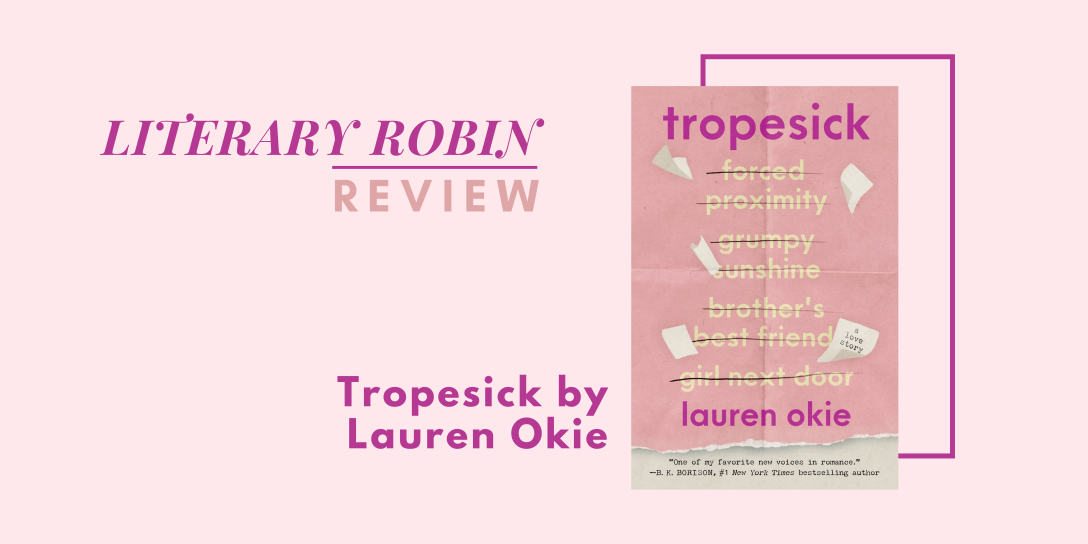
Ghostwriting was never Katie Caruso’s calling. It’s something she stumbled into after college, but it allowed her to pay the bills and so eight years swiftly rolled past. Writing for Meredith Bradford, a household name in the romance genre was once a huge opportunity but now it has become demanding—especially since Meredith keeps pushing up the timeline for each subsequent manuscript. So much so that her agent wants her to work with a writing partner to get the novel done in a matter of weeks. When her initial writing partner cancels at the last minute, who should be asked to fill the space but Tyler McNally, Katie’s childhood crush and the boy who turned his back on her eight years ago. A trope so classic even she is eyerolling (brother’s best friend), their relationship shattered in the aftermath of her brother’s overdose years after an injury that ended his baseball career. Reluctantly Katie and Tyler agree to work together, if only they agree to focus solely on the task at hand. Funnily enough, that isn’t even the biggest problem: Tyler has never even read or written a romance novel. Months out from deadline, Katie and Tyler attempt to construct a story around a series of tropes selected and spat out by Meredith’s cat (no really). But what is even more jarring is that those tropes are playing out in real time and they are making it impossible for them to ignore the past, insisting Tyler and Katie put down the pen and instead turn the next chapter.
Sometimes love means ghost writing a book for a bestselling romance writer with your former childhood friend while it feels like the tropes are screaming for you to be together—because actually they are. Lauren Okie’s sophomore novel Tropesick is a story for the trope obsessed, those who are anything but sick of their miraculous power in the romance genre. Nailing the grit, hurt, and wondrous feeling of reconnection and second chances, Tropesick is the self aware romance novel needed to navigate modern times and modern loves. Tracing the story down the line from one trope to the next, characters Katie and Tyler expose the past, so broken by it that their only way to reach for each other is through fiction, the tropes and the characters a stepping stone to reconciliation. Between arguing over the absurdity of tropes (which keep playing out in real life), discussing which bathroom cabinetry characters could construct by hand—and rail their love interests against, and using their respective characters to speak through the hurt, Okie’s humor and raw emotion is embodied in her two leads and every trope laden chapter. Tropesick is tropetastic, a novel you will want to live in and forever embody. Where the tension is in the backstory and the tropes are as large as life itself this is the romance novel for every romance reader. Of that I am sure.
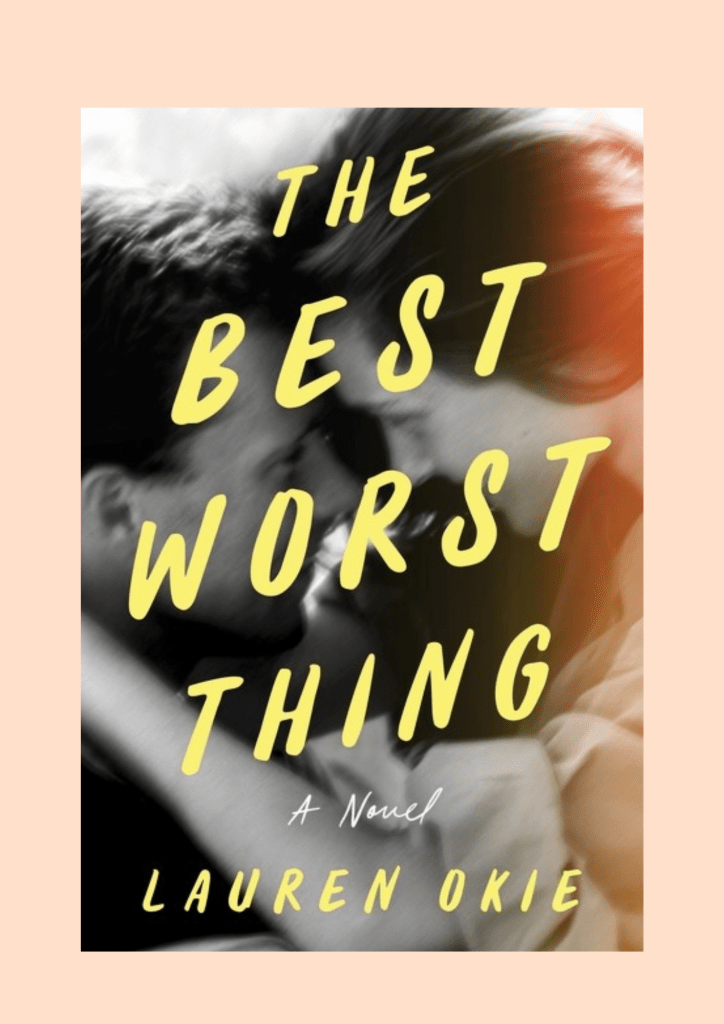
Three cheers for slutty little glasses, characters who will do anything but communicate, and messy messy love stories. All of this is the Lauren Okie promise. Her sophomore novel Tropesick is definitively her greatest work to date—something that feels akin to cheating seeing as The Best Worst Thing was a life altering romance of the last year. Aligning a romance within a romance where the tropes are as lifelike as they can be, Tropesick is meta, nuanced fun wrapped up in one romance novel. This is an immaculately constructed romance that understands how tropes go hand in hand with narrative (and the way we can define our own lives through them, writing our own ending before it is lived). Through characters Katie and Tyler, Okie explores the classic second chance, the tropes themselves a roadmap on the journey towards these two not just reconciling but doing the proper work of letting go. Tropesick is the kind of love story deeply connected with the act of creating and the personal nature of writing about our own struggles. Modeling the three act structure of the manuscript our two main characters draft side by side, Tropesick develops its own story within the story even as the narrative pulls focus on the writers themselves. Using their characters to challenge the status quo of their relationship and force the past to present, Katie and Tyler may not even be aware of it, but it is not just the tropes forcing the issue but very much themselves.
Not even going to lie, this may be the romance novel to end all romance novels. I mean there are lines from Tropesick that have played on a loop in my head for days after reading (I’m looking at you line from the third act involving the word “humiliating”). I love how many feelings I oscillated through on my Tropesick reading journey: pain, elation, shock, hope, and happiness—oftentimes a mix of all five. This is truly an example of how much romance can tap into our humanity and nail differing tones and themes across a single novel. That’s partly why Lauren Okie deserves all the flowers, but even more so her innate pulse on the genre and how to play with its conventions using tropes as the foundation. Tropesick achieves a level of self awareness unrivaled in the modern love story, so on the nose it can be considered nothing short of genius. Including a green flag of a man (heavily tattooed, regretful, reads the books you assign him) Lauren Okie truly understands what romance readers want even if it is something they don’t expect. Beginning with a truly horrifying ordeal—an imminent deadline, Tropesick details a second chance, a love worth reaching for if its two leads can just lay waste to their ghosts and finally accept the hardest thing ever: the possibility of happiness. Count me in as not tired of tropes in romance novels, especially when they are as cleverly applied as this one.
Thank you to Michelle and Avon books for sending me an advance review copy.
Trigger warnings: Drug overdose, addiction, drug abuse, drug use, death of a family member, grief, emotional neglect, parental abandonment





 Literaryrobin