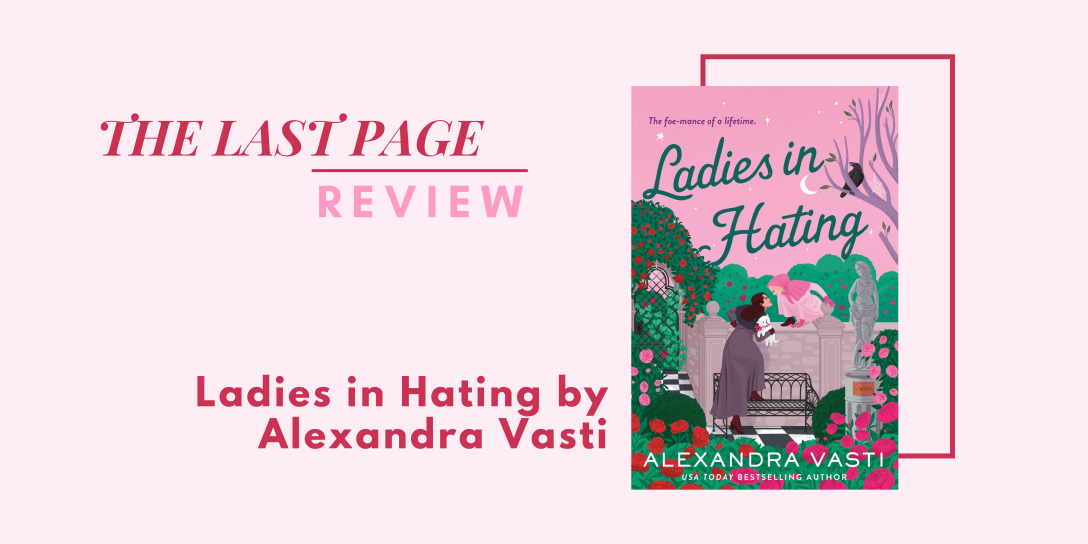
Review: Ladies in Hating by Alexandra Vasti

Rating: 5 out of 5.

When she sat down to pen her first novel all Lady Georgiana Cleeve intended was to support a life for herself and her mother. Now a celebrated writer of the gothic variety, Georgiana has a much bigger problem. Ever since she became a renowned author Georgiana has gone toe to toe with Lady Darling, another beloved writer in the genre. No one knows Lady Darling’s true identity but the similarities between her stories and Geogiana’s are far too close to be a coincidence. Determined to unmask her rival goes awry when Georgiana confronts Catriona Rose Lacey, daughter of their former butler and Lady Darling herself. Georgiana hasn’t seen Cat since her father was dismissed from service, for reasons unknown, but she has harbored the youthful infatuation she felt for her close. When a sojourn to the decaying Renwick House to research their upcoming novels leads to an unexpected confrontation, Cat and Georgiana agree to set down their swords and pen their novels side by side. But when they become trapped in the manor, fiction becomes reality, and as danger ensues Cat and Georgiana must face the desire burning its way through their bitter rivalry.

Oh no we’re two gothic novelists writing stories inspired by our childhoods together as we subconsciously yearn for the past…what happens if we kiss in a decaying manor that may or may not be haunted? If there’s one thing I am, it is a gothic romance lover to my core and Alexandra Vasti’s Ladies in Hating is a delectable feast for anyone who loves the gothic or sapphic historical romance. In the final book in the Belvoir’s Library trilogy, Alexandra Vasti pens a tender love letter to women gothic novelists, the gothic genre, and the queer people who found love and livelihood in the Regency period. Ladies in Hating is a model representation of gothic literature, in its themes and motifs, and a stunning example of what the historical romance genre can afford our greater understanding of love and connection. The persistent Lady Georgiana Cleeves meets her match in Catriona Rose Lacey, her rival and worse, the woman who could change her closely guarded principles and make her believe in love again. A wondrous rivals to lovers story submerged in fervent wanting and agonizing romance, Ladies in Hating made me feel every emotion and left me aching for more historical romance from its ridiculously talented author.

Ladies in Hating is the kind of book that feels almost written for me. This exquisite novel reached into the crumbling caverns of my heart and fortified my belief in love and existence as a radically political act. Now the gothic has long been a genre for exploring societal wounds and the intricacies of our experiences. The decaying manor house that comes to represent the fragility of the psyche or the hurts and traumas of a family is a prominent motif within the genre. Vasti understands this inextricable link as she traps two rival gothic novelists inside the dilapidated Renwick House —with its peeling wallpaper and crumbling facades, to reconcile their past hurts and confront their growing passion. But mystery takes the center stage as authors Georgiana Cleeve and Catriona Rose Lacey are left to uncover the secrets of a family long buried. 

Gothic imagery is a staple in itself and Vasti adheres to this with a cadence that submerses the reader in the intricate conventions of the genre. Renwick House and its medieval structures are transportive, invoking a period long past and ravaged by time. The host of bats that call the manor their home, the decaying trees in the orangery, and the damaged books in the crumbling library recall meaning to this place and its former inhabitants. For Catriona and Georgiana it’s a source of inspiration for their continued livelihood through their gothic novels, but it quickly becomes something far more personal. I love the sense of mystery that shrouds the narrative, wonderfully entwined with the romance between rivals. Love and horror are so often linked together and Vasti gives a dash of that in her mystery — the screams which draw Georgiana out of her bed chamber in the night to wander the hallways in the dark and the dead body unexpectedly uncovered. The moonlight conversations in the library and a conservatory hidden in the recesses of the manor are two phenomenal settings in this novel, connected to the love between these two women and the uncovered sapphic love story of Renwick’s past.

The external plotting to Ladies in Hating is essential in developing the love story at its center. Georgiana and Cat’s respective family backgrounds provide a rich foundation for the discussions surrounding sexuality, class, and sex, which Vasti brings into the fold. The tension this suffuses into the narrative as they find a mutual attraction was exquisite. Georgiana is someone who wholeheartedly believes she is responsible for bringing ruin on her family and that she will hurt everyone around her, a conviction Vasti works to shatter across this novel. It’s quite heartbreaking but an important perspective of Georgiana as a victim of emotional abuse from her father and how that necessitated having to reveal her author identity to the public. Her relationship with Cat opens up a whole world if she can only reach for it with both hands, but giving up her principles is easier said than done. Cat on the other side just wants to be chosen —an extension of their class disparities when first they met. Though brought closer in the years following Georgiana’s life away from her father, it is the basis of their understanding of one another and not easy to shake. The longing and tenderness at the center of Cat and Georgiana’s romance made me quite feral and that my friends is the barometer for an excellent romance.

Drawing her Belvoir’s Library trilogy to a close, Alexandra Vasti honors the fierce women who penned gothic stories and the queer people of the past who reached for their happiness and lived in joy. This is one of those books further enriched by its afterward where Vasti addresses the historical significance and her sources of inspiration for the text. The sheer research present is evident from the start but it was fascinating to read about the property on which Renwick House was based and the sapphic illustrations and Lesbian writers who paved the way forward. Ladies in Hating is radical in all the ways standing firm and building a life in a world that would deny you that can be. Catriona and Georgiana building a life at Renwick House is a powerful full circle moment — made stronger in the discovery of the letters between Luna Renwick and her love, Sarah Sophia Penhollow, forever immortalized in the estate. I’m truly sad to be leaving the ladies of Belvoir’s Library behind but know Vasti is nowhere near done bringing us historical romance excellence. Sapphic, mysterious, and insanely hot (praise be to Alexandra Vasti), Ladies in Hating is my latest —and eternal—historical romance obsession.

Thank you to Edelweiss and the publisher for providing this arc in exchange for an honest review.

Trigger warning: homophobia, physical abuse (mentioned),
Preorder a Copy:

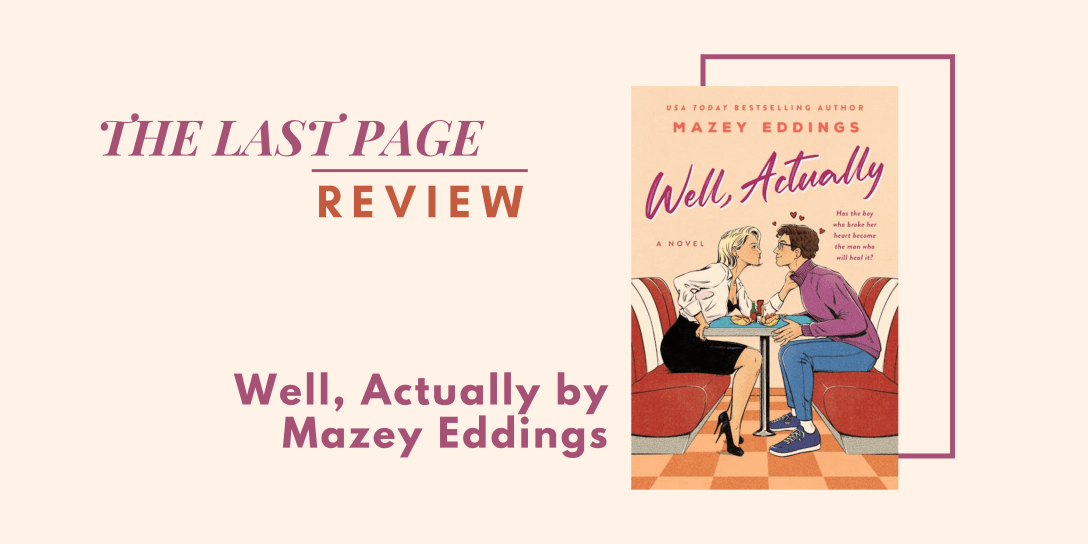
Review: Well, Actually by Mazey Eddings

Rating: 4.5 out of 5.

Eva Kitt isn’t exactly where she’d like to be. As the host of Sausage Talk —a talk show where she interviews B-list celebrities over subpar hotdogs, her dream of a career in journalism is heavily on the back burner. Frustrated and a little drunk, Eva calls out Rylie Cooper, a popular social media talent for ghosting her during college. When the video goes viral, Eva’s superiors attempt to capitalize on that attention by having her interview Rylie live on the show. In confronting the past and her first real relationship, Eva is on edge until Rylie sits down and proposes something truly outlandish. He’ll take her on six dates to attempt to make up for his behavior during college and they’ll debrief together on his show after the fact. It’s unconventional, but Eva isn’t above making Rylie squirm. Bonus, the continued publicity could launch her out of Sausage Talks’ unfortunate shadow. As Rylie kicks off his apology dates, Eva is more than sure he is above redemption. But the dates, while a little contrived, only make her more interested in righting their shared past that is not quite done with them yet.

If you witnessed the insane levels of chemistry on Andrew Garfield’s Chicken Shop Date interview this past fall and found yourself asking “Is there a book like this?” boy does Mazey Eddings come through. With her signature knack for crafting unusual romantic circumstances, Well, Actually is a quintessential modern love story of effortless humor, second-hand embarrassment, and pop culture references served with mediocre hotdogs and a quest for redemption. It’s messy, so bisexual, and the kind of book I was always going to fall for. Well, Actually introduces Eva, a down on her luck journalist with black cat tendencies, and Rylie Cooper social media’s darling and golden retriever to his core. They seemingly have nothing in common besides the five dates they went on in college before Rylie unceremoniously ghosted Eva. Well, Actually brings exactly the kind of romance setup I go for: heavy on the mess with imperfect protagonists finding love and meaning in their lives. Mazey Eddings has a grasp on the finite ledge between the humorous and emotional situations and she employs it deftly in her strongest romance to date.

In Well, Actually, Mazey Eddings proves the past is never truly past as two chaotic individuals reach for love in spite of their tense history. Eddings brings Rylie and Eva together via an unfortunate PR nightmare that initiates a journey of rediscovery and forgiveness around their complicated past. Eva as someone desperately wanting to be chosen —having been pushed to the side in her family, and Rylie whose grief made him unable to participate fully in their relationship in college is a perfect unsteady foundation for this second chance arc to blossom. Eva Kitt, fashionable and opinionated is everything I want in my romance protagonists. She’s determined and mean when she needs to be and I love her so much. The only person who (maybe) loves her more than me is Rylie Cooper who opens up a space for her to be entirely herself. From the start Rylie was giving Nick Miller energy as Eva being mean to him just made him fall even more in love. As a lover of mean women myself I could not find blame in this.

Mazey Eddings hones her dialogue to perfection and Well, Actually is a pinnacle of her talent for witty, sharp banter. There were so many moments where I laughed, screamed, or put my kindle down out of sheer frustration. Eva and Rylie’s antagonistic, snappy interactions evolving into their deeper arguments and romantic moments was the true highlight of this novel. I’m firmly of the opinion that dialogue can make a romance and nowhere is that more on display than in Well, Actually. Rylie and Eva had so much to unpack as they embarked on a new relationship and Eddings grounds that in open and honest communication. Even though it is difficult and our leads shirk from it at points, that communication opens up an avenue for reconciliation and a true second chance. The individual journeys Eva and Rylie are on are personal, yet grounded in their shared history. Loving the idea of someone is something Rylie confronts as he tries to win Eva over despite not really knowing her, and Eva has to decide if she can move past the hurt Rylie caused. The conversations surrounding anxiety, grief, and forgiveness as these two work to surmount obstacles and reach for a relationship together are outstanding and truly some of the best I’ve read within the romance genre.

Mazey Eddings brings humor and hunger (for connection and hotdogs) in her latest romance that has all the wit, heat, and depth to send you spiraling. Well, Actually is perfection captured and bottled in a second chance romance of awkward manners and resolute natures. Through her leads Eva and Rylie, Eddings initiates a discomforting journey of reconciliation and everything caught up in forging through conflict. Haters of the third act breakup can rejoice because as far as Mazey Eddings is concerned it doesn’t exist and I praise her for it. Well, Actually emphasizes change for the right reasons and loving without conditions. This story is hilarious, it’s tender, and everything my bisexual heart needed to stay sane this winter. Mazey Eddings is still the romance author I turn to for hilarious and grounded contemporary love stories and I encourage everyone to do the same. 

Thank you to Edelweiss and the publisher for providing this arc in exchange for an honest review.

Trigger warnings: grief, death of a loved one

Preorder a copy:

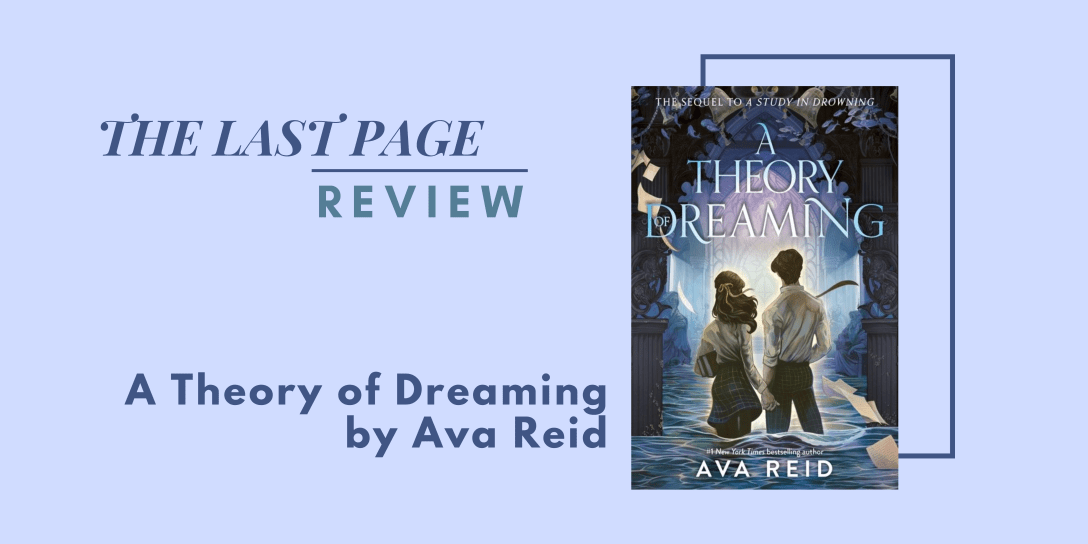
Review: A Theory of Dreaming by Ava Reid

Please note this is a sequel and includes references to former events and partial spoilers for A Study in Drowning.

Rating: 5 out of 5.

Effy and Preston survived Hiraeth, defeating the once powerful fairy king to return to Caer-Isel where neither occupy any power in the halls of its prestigious literature college. Since publishing their thesis contesting the authorship of the Llyrian writer Emrys Meridian’s, Angharad, further doors have darkened. Unmoored by the loss of the Angharad, both the book and its true author, Effy is left unguarded in a world without magic that wants nothing more than her ruination. As Effy navigates her first semester as a literature student, Preston confronts the magic he never believed that calls out in the night in pealing bells only he seems able to hear. These bells real or imagined take him to the Sleeper Museum where Llyr’s prominent scholars rest, said to protect the nation in the war effort against Argant. In dreams, he finds power in a world free from others and completely under his control. Time is running out for Preston and Effy and as the war effort between Argant and Llyr intensifies their connection may be the only thing saving them from a world that would see them lost—to stories and to dreams.

From the moment Ava Reid first drew me into the swirling tempest of her young adult debut, A Study in Drowning, it became a lifeline entirely of its own and one I have returned to whenever I’ve felt remotely adrift. Something akin to its protagonist, Effy Sayre, a tenacious young woman navigating her first year as the only woman in her architecture college who finds comfort in the Llyrian story the Angharad, a tale of the fabled fairy king more real to her than any waking thing. With this first novel, Ava Reid penned a tale of two lost souls finding familiar ground and navigating a way towards the truth. After becoming fully enmeshed in this evocative fantasy novel, it’s no surprise that I wanted more from this world and its fabulous main pairing. With the authorship of the Angharad contested through Preston and Effy’s thesis and its connections to an unstable time between two warring countries there was undoubtedly more to unpack. A Theory of Dreaming brings readers back to Llyr as tensions rise and Preston and Effy are caught in the current of war and their respective dreams which draw them further apart.

A Theory of Dreaming is a sequel that throws our wandering academics back into the turbulent world of their literature college and a nation rife with hatred for difference and dissent. Questing further meaning beyond her extraordinary first novel, Reid plumbs ever deeper into the depths of the workings of Llyr and the connections between academic institutions, story, and growing nationalism. Far from the front Effy and Preston fight their own battles in the classroom and the streets of Caer-Isel. In spite of their love and the teamwork they found back at Hiraeth Manor, Preston and Effy retreat into their former roles and the struggles they feel they must bear alone. Trusting in the facts, magic has never had any place in Preston’s life yet it is in this sequel that he contends with magic and the power it can wield for him. Effy, who came to represent all of magic’s possibilities in book one has lost her direct access to it—the Angharad unveiled and the fairy king forever eradicated. Without her lifeline, Effy is drowning against a roaring current and scared to show the full extent of her struggles.

A Theory of Dreaming slots perfectly into the conversations that began back at Hiraeth in a manor encroaching into the sea. First and foremost is the power of story in weaving a sense of national identity, and how that is exploited. The authors of these stories are Llyr’s greatest figures—who rest forever immortalized in the sleeper museum where it is said they hold power to aid Llyr in its decades-long war against Argant. Is this a truth or fiction? Reid brings this into focus through her characters Effy and Preston fighting for their place in a system that does not want to acknowledge their humanity. Opening up to his point of view, this sequel sees Preston confronting a dream world entirely under his control and Effy losing herself to her bitter reality. Preston and Effy come to represent the conflict between two opposing worlds, the magical and the real, and Argant and Llyr. But how does one find their footing in a world that exists to marginalize them and profit off of that oppression? Preston finds this immensely difficult as the war effort amps up and he confronts further violence for his Argantian identity, and Effy receives further harassment from her peers for daring to take up space as a woman in the college of literature. 

I love when follow-up novels exemplify the work still needed, and how an established love story doesn’t mean the struggles have come to an end. That is exactly the case with Preston and Effy whose journeys diverge upon their return from Hiraeth. Preston gives into his frustration in the waking world and the peace of the past in dreams—conversations with his father and the literal pedestal he has put Effy upon. His fear of losing her causes him to be blind to her struggles while closing her off completely to his. On the opposite side, Effy’s fear of burdening her partner leads her to hide her pain. Reid continues Effy’s journey most naturally in this sequel in her search for further connection. Effy finds solace in the truth of abused and cornered women who managed to write their stories within the margins, much like her own. The power of story in mythologizing these figures and erasing them for the agendas of men and a nation is an important component of this second novel. As Llyrian writings are unveiled to be merely a prop that served to further a needless war, Reid flawlessly exposes the truth and the tragedy behind Llyr’s agenda. 

A Theory of Dreaming is a sequel that throws you back into the onslaught of the storm but does not lose hope in its eventual passing. No amount of this sequel feels overwrought, its dialogue and thematically rich commentary on a nation stand strong in today’s political landscape. Connecting the power of story in building the ideology of a nation utilized as fuel for propaganda and war, Reid highlights its scars and its lasting legacy. Ava Reid balances this with the continued love story between Preston and Effy as they chafe against the constraints of their world and their place within it. A Theory of Dreaming proves that there is still more to surmount but that love is the reason we can continue to navigate this waking world—and that sometimes we must be the ones to save ourselves. For Preston and Effy that is acknowledging just how much they need each other all over again. The undertow to this duology being Effy and Preston finding love and livelihood even as they confront fascism and violence is life-affirming as it is a form of resistance. It’s been a long time since I’ve been surprised by Ava Reid’s brilliance (it is their natural state after all) and this sequel is not only brilliant it is vitally necessary. Consider me in awe of Ava Reid from now until the end of time.

Thank you to Edelweiss and the publisher for providing the advance review copy.

Trigger warnings: misogyny, xenophobia, violence, drug abuse, suicidal ideation, suicide attempt, sexual harassment

Preorder a Copy:

Review: The Geographer’s Map to Romance by India Holton

Rating: 5 out of 5.

Elodie Tarrant, a geography professor with a penchant for chaos is more than ready to solve any problem. But she’s finally been handed a problem that cannot be neatly solved nor entirely avoided. Her problem is Gabriel Tarrant, another professor of geography and the unfeeling man she is unfortunately married to. Since their marriage crashed and burned over a year ago, Elodie has avoided her husband at all costs—in the shrubbery and campus byways—all to keep from confronting her mistake and his general ire. But in the aftermath of a strange magical event in a Welsh village, Elodie and Gabriel are inconveniently assigned to the case, making avoidance altogether impossible. Together, Elodie and Gabriel travel to Wales to confront this magic and determine its cause before disaster spirals back into England. Discovering how to curb the strange magic could prove disastrous, but no more than reaching for the love they have been denying for so long.

India Holton has long been an author I have turned to for strange, fantastical, and wonderfully magical love stories only she seems capable of charting. The Geographer’s Map to Romance is the latest of her Loves Academic historical fantasy series. In this second installment, two estranged geography professors reunite after their failed marriage of convenience to confront a scholarly mystery in the Welsh countryside—battling magical disasters and growing feelings with varying degrees of success. Give me a marriage of convenience between a woman who is sunshine incarnate and the grumpiest man on earth and the speed at which I will come running will be concerning to everyone around me. India Holton puts her spin on this classic pairing with hilarious turns of phrase, unrestrained magic, and twists on classic tropes within the genre. Grounded in magic and academic pursuit, The Geographer’s Map to Romance might be my favorite novel from Holton to date. Holton’s narrative voice is incomparable, bent towards crafting an imaginative, unforgettable romance. 

India Holton endeavors to suffuse her mixture of whimsy and utter absurdity into her latest historical romantic fantasy that left me far too entertained, swept up in the underlying romantic tension between two misunderstood academics avoiding their feelings as danger ensues. Endearing and entirely bemusing, The Geographers Map to Romance charts out a course rigged with chaos—American tourists turning into cows, waltzing to get out of quicksand, and intensifying versions of the “not enough bed” trope (a superior version dare I say). Holton mixes these moments of strange adventure with slow-burning romance that is the real magic weaving beneath the mystery. Gabriel and Elodie were perfectly matched from the start and Holton draws this out with a begrudging team-up that demonstrates just how well-suited these two are. Across the investigation, Elodie and Gabriel take on roles fairly representative of their dynamic as a couple. Elodie is the person who throws herself headlong into danger and Gabriel is the buttoned-up academic whose heart goes with her every single time. A true recipe for success where their romance is concerned.

As Elodie and Gabriel work towards preventing a calamitous magical cascade, Holton brings their perfectly constructed roles to a standstill. None more so than with our hero Gabriel Tarrant. Despite his emphatic aversion to poetry and anything resembling romance, Gabriel is the true romantic of this story hidden beneath a prickly facade. The grumpiness, the monosyllabic answers, and the carefully curated exterior are certainly part of his charm but they allow him to close himself off to real connection. Far away from Oxford and their academic roles, Elodie and Gabriel grapple with their self-worth. Geography is their shared passion and they’ve wielded it as a weapon against any sort of vulnerability and connection they could have together. India Holton takes her time in excising this conflict. Elodie feeling like she is too flighty for someone like Gabriel, who in turn feels like he has to change himself to be worthy of her love was a compelling center for this conflict. The reconciliation of these differing points of view and complicated feelings of self-worth is an explosion of feeling unfettered even as uncontrolled magic builds to a calamity.

The Geographer’s Map to Romance is an exemplary historical fantasy novel about loving without conditions and being loved for who you are. India Holton knows how to bring disastrous circumstances together and still wind up with a tremendously heartwarming romance by the time it’s complete. I just wanted to stay lost with this one—with Gabriel and Elodie proudly soldiering their hurts and their desire to be truly seen by one another – adding or subtracting a few near-death experiences. India Holton has struck an emotional chord of belonging with this beautiful love story about meeting people right where they are. Elodie and Gabriel bring on the yearning and the not-so-quiet grumbling and all I want is to trek off on more adventures by their side.

Thank you to Netgalley and the publisher for providing this arc in exchange for an honest review.

Trigger warnings: misogyny,

Preorder a Copy

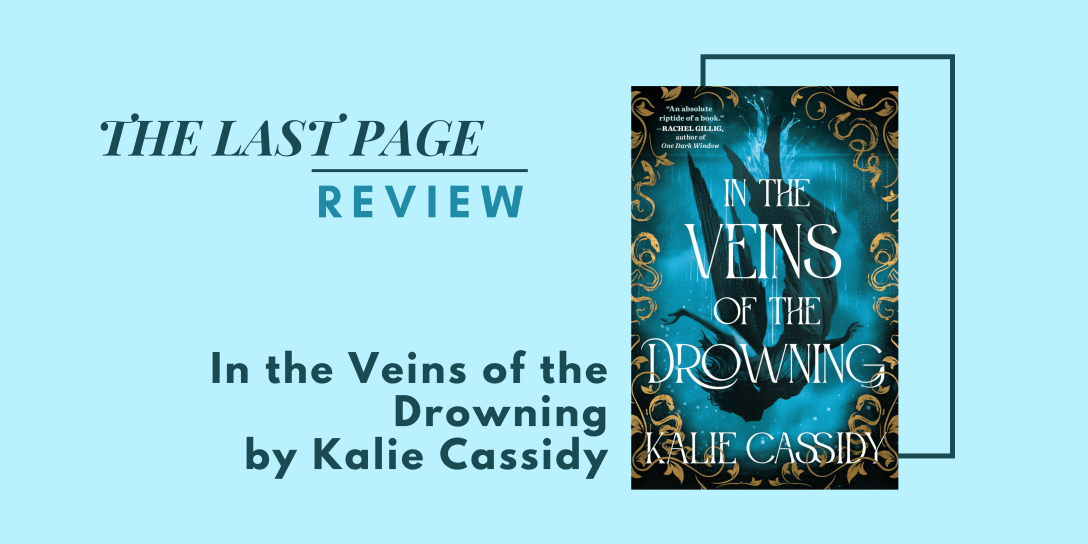
Review: In the Veins of the Drowning by Kalie Cassidy

Rating: 5 out of 5.

High up on the Isle of Seraf in a fortress of stone, the sea cannot find refuge. For Imogen Nel, ward to King Nemea, it has become her prison. Raised at the side of a monstrous king, Imogen hides the truth of her heritage beneath the very wings bolted to the wall in a warning, “The Monster is Always Slain.” Despite the siren simmering beneath her skin and the part of her that yearns for the salt of the sea, Imogen has never wanted anything less than to hide – from the king who began the scourge against her kind and the soldiers who hunt sirens down mercilessly against the shore. On the eve of her marriage to an honorable captain, Imogen encounters Theodore, a young king duty-bound and cold. When Imogen’s safety is threatened, her siren side emerges in a bloodlust that leaves her fiance dead and Theodore her only ally. Siren-bound, the two flee the kingdom with his retinue, hoping to break the bond and destroy the hold of an ancient power over waters filled with the undead. Caught between his duty to his people and her call to the deep, Theo and Imogen will tempt more than their physical ties to draw out an immortal power and hold fast to their growing connection which could serve as their salvation or their ruin

Tempestuous as a rough and stormy sea, In the Veins of the Drowning is a resplendent romantic fantasy novel that dragged me down to its depths in answer to its luring siren’s call. In the years since I first began reading folklore-based fantasy, I have keenly felt the lack of stories surrounding the siren legend. Kalie Cassidy sets out to rectify that in her debut novel with the claws and wings befitting such a tale. It didn’t take long for this to ensnare me – with its richly connected mythos and sharp prose connecting back to siren folklore I was already lost in its waters with no desire to resurface. Concerning monsters, inhuman and not, and the monstrous things we do to survive, Cassidy chronicles the lives of two individuals trapped by unerring duty and the illusive call to the deep. The ardent love story that develops is the still beating heart of this narrative, tested against powers far greater than two unlikely souls unexpectedly bound together. In the Veins of the Drowning is very much for those who support women’s wrongs but also those who prefer their fantasy served with a hefty dose of romance. Kalie Cassidy’s fantasy adventure is a tempting combination of romance, kingdom politics, and daring escapades entangled in a perfect storm of a book.

Sirens may swarm the deep, but In the Veins of the Drowning posits that the real monsters may not be so mythical. Imogen Nel, a siren and ward to a power-hungry king, lives her life in complete secrecy fighting only to retain her survival. A siren who conflictingly reveres and fears inheriting her gifts, Imogen is a puzzling figure through which Cassidy explores the monstrous. The imagery of wings splitting through the skin and claws sharpening to points as Imogen makes her first kill is an odd sort of homecoming. With her siren side unleashed in a moment of duress, Imogen is held in contrast to Theodore, the King of Varya – a man so constrained by duty he cannot break free. Theo and Imogen are opposing forces drawn together in blood, each with their unique conflicts: Imogen inheriting her siren gifts and a dark fate, and Theo, trapped by duty unbroken even by his heart’s desire.

Imogen possesses a rare self-assuredness that remains in place even as she learns the truth of her heritage and her destiny. There are so many moments where Imogen stands adamant in her decisions arming her with a multifaceted edge as she fights her fate and the consequences of giving into her siren abilities. The sequence following the death of Imogen’s fiance as she attempts to siren bond with Theo, is so iconic and I fear that it only made me love her more. Despite the siren bond that draws him closer to Imogen, Theo is caught up in his personal agendas and biases unable to see beyond his limiting perspective. Imogen realizes this almost immediately and the concise way she flays him apart – all with just her words, is by far my favorite of their interactions. Imogen is a product of her situation, trapped for years in a kingdom that restricted her nature and sought only to control her. Theo plays into this initially through his view that power is to be wielded and her heritage has been wasted because of her poor choices. But as the King of Varya, Theo is part of a system that exists to serve him. Ironically, the same kingdom that has provided him freedom is entrapping him, something he does not see until it is too late.

In the Veins of the Drowning features my specific brand of romance: a man held captive by honor falls for a woman who is his entire undoing. Theo of Varya had the perfect amount of awe-struck, begging, crawling, moaning, groveling, on his knees behavior for Imogen who deserves nothing less in the partner who stands at her side. From their first meeting upon the parapets of Fort Linum, Cassidy draws Theo and Imogen together as reluctant allies and spends the rest of the book strengthening this bond. The addition of the siren bond and their differing perspectives creates some wonderful tension as this romance evolves. Both Theo and Imogen have been taught to view relationships as transactional but that is put to the test as they become allies and unexpectedly fall in love. Theo’s profound misunderstanding of Imogen is intertwined with this. For Theo, his initial desire for Imogen is something to be held captive to like the magnetic lures she is capable of using to draw others to her will. Surrounded by people who turn to violence or insinuate that she is to be loved despite her nature, Imogen deserves to be loved without reservation. This is what she eventually finds with Theo, who uncovers the depths of his misconceptions and spends an indeterminable amount of time making up for them.

In the Veins of the Drowning is easily one of the best romantic fantasy novels I have read in recent years. Kalie Cassidy wields a power not unlike a siren in penning her magnetic fantasy debut that strikes the perfect harmony between dark fantasy and sweeping romance. Part of what I love about siren folklore is what it can lend to discussions concerning our humanity. Cassidy unpacks how monsters are often the product of power, and all the ways in which love and hate are not so easily separated. Witnessing Imogen come into her power, for good or for ill, while exposing the roots of her past was a satisfying landing place for this first installment. Very much looking forward to her ‘bringing it all down’ era in book two and everything involved in rectifying the events that concluded this first novel. In the Veins of the Drowning is relentless, both in its pacing and its conclusion that I somehow dreaded and anticipated in equal measure. With that ending it’s safe to say that Kalie Cassidy has me hanging onto her every word and I am (im) patiently awaiting their eventual reckoning.

Thank you to Netgalley and the publisher for providing this book in exchange for an honest review.

Trigger warnings: blood, violence, death, murder, disembowelment

Order a Copy:

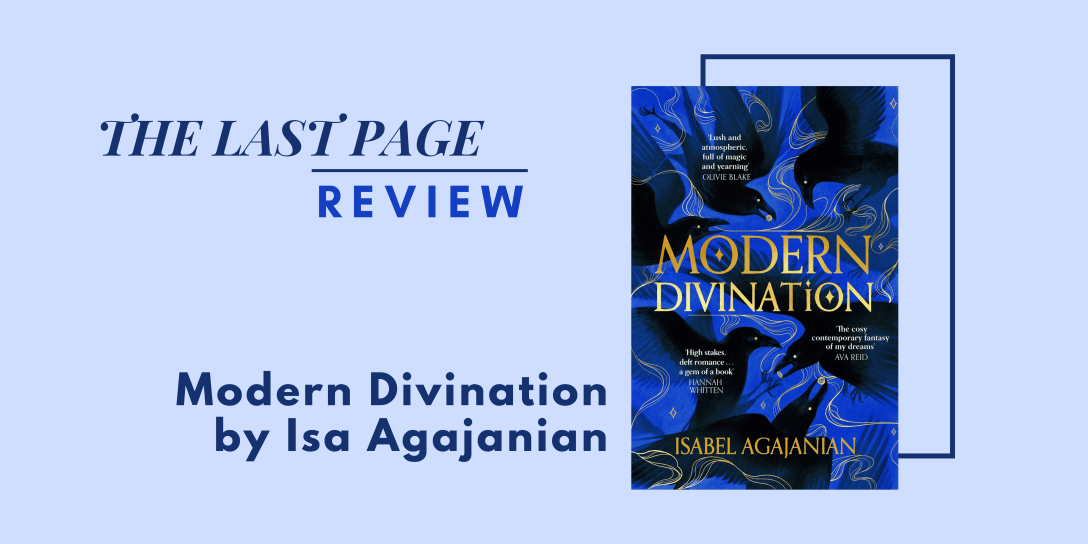
Review: Modern Divination by Isabel Agajanian

Rating: 5 out of 5.

Aurelia Schwartz has a secret. One she has closely guarded for twenty-three years. Aurelia is a witch, a fact she has hidden away from everyone in her life as she attempts to balance two opposing worlds. All it takes to bring this secret life crashing down is the murder of another witch and classmate during a campus soiree. The last thing Aurelia expects is to witness the aftermath of a murder, but the fact that Theodore Ingram, her academic rival should be by her side feels all the more targeted. Ever since she started at Cambridge, Ingram has made it clear Aurelia is beneath him, but now he insists she accompany him home for the holidays, pressing that neither of them is safe – because Teddy apparently has magic. As Teddy and Aurelia sequester themselves away from prying eyes with his magical family, they attempt to unravel the mystery of the murder, the culprit, and their complicated past. It appears the killer is far from finished and to uncover the truth Aurelia will have to undo her carefully constructed boundaries and set aside her animosity with Teddy, which could prove her undoing.

Modern Divination is the perfect example of a book that only settles deeper into your bones the longer it sits with you. This book is an exquisitely crafted blend of tea steeped to perfection, with dark notes of magic and a hint of bitterness rendered sweet through its stimulating academic rivalry. Having read the independently published version of Modern Divination upon its initial release back in 2023, I never expected to read the revised edition and fall even more in love but somehow that is exactly what occurred. This revised edition of Isa Agajanian’s original text is an addictive combination of witchery and fate, complete with enough yearning to make me feel like I was being repeatedly stabbed in the chest. Isa has completely raised the bar with this revised edition — sharpening the atmosphere and the incredible tension between Aurelia and Teddy into something entirely its own. If reading this for the first time left me longing for its sequel, then the updated version left me a shell of my former self and I will not recover until Quiet Spells is in my hands.

Isabel Agajanian’s, Modern Divination is a painfully relatable window into loneliness, grief, and the connections we close ourselves off to by insisting we bear our paths alone. Where the academic atmosphere of Cambridge and the secluded English countryside enthralls, Modern Divination’s true magic lies in its central duo realizing just how wrong they have been about each other. In a book set so firmly around an academic rivalry with a thread of magic weaving throughout the narrative, characters Aurelia and Teddy are an outstanding pairing. What can I say about Aurelia Schwartz besides the fact that I love her and she can do no wrong? An unyielding and ambitious young woman – Aurelia’s academic vivacity is matched only by her rival and arrogant specter, Theodore Ingram. Teddy is seemingly all ego with a past completely hidden from view, but after becoming targets to a witch killer, the carefully constructed walls these two have defended come crashing down. This is my favorite flavor of romance, there’s brooding, yearning, and snappy interactions as these two hold fast to their dynamic not wanting to be the first to concede to honesty.  

Reexperiencing Modern Divination through a revised edition feels like looking at it through an inverted lens, yet the core of the story remains the same: two rivals finally laying down their weapons and opening themselves up to connection. Casting off the protective bonds that academia has afforded her, Aurelia struggles to let people in after building a life set around pushing them away. This innate struggle is intensified by the longing she feels for Teddy in contrast to the way she’s viewed him for so long. Meanwhile, Teddy is down bad. He’s that specific type of love interest that’s just groveling and disgusting longing stuck together in one body with few ways to make those feelings known and I love it so much. Their slow burn is this wonderful give and take centered around falling for each other because of their flaws, as they unpack why they became rivals. Isabel Agajanian understands how to build a true rivals to lovers story and the layers required to deliver that satisfying emotional payoff. Aurelia and Teddy’s romance reveals the risk of love and connection is in the potential to be hurt and changed, but it is worth it no matter the outcome. Modern Divination examines the consequences of magic with an imperfect love story I’m more than a little obsessed with. Book two cannot come soon enough and I’ll be here yearning away in the meantime.

Thank you to Netgalley and the publisher for providing this arc in exchange for an honest review.

Trigger warnings: murder, blood, violence

Buy a Copy:

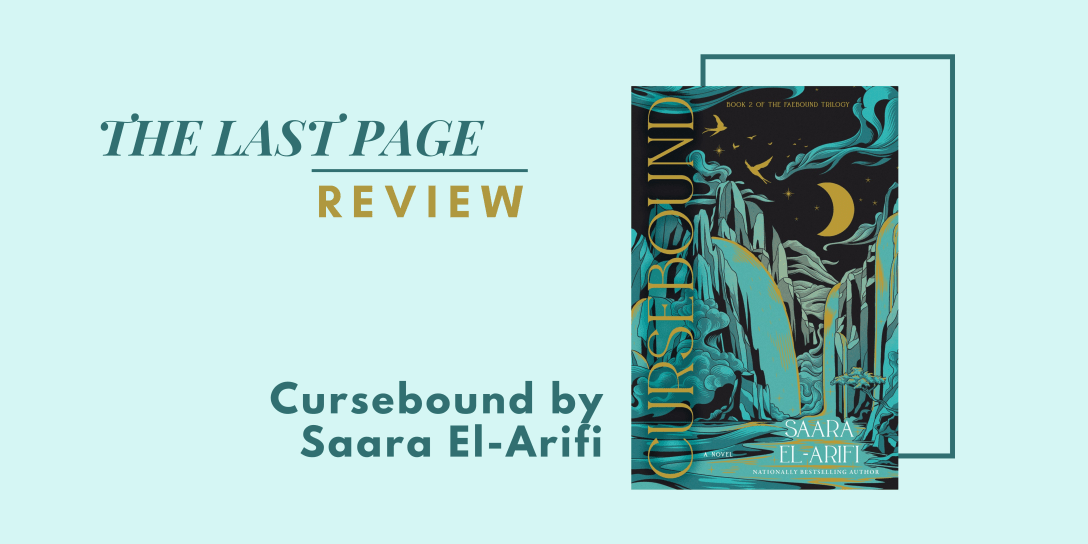
Review: Cursebound by Saara El-Arifi

Rating: 5 out of 5.

Yeeran has departed the fae lands to return to her home and end a centuries-old war. Leaving behind her love, Furi, and her sister, Lettle, who now stand against a wave of dissent, deadly assassins, and a determined group who seek to end Lettle’s life. Used to being left behind as her sister faces war, Lettle soldiers a war closer to her heart – one of fae politics and history long buried. Trusting that her sister will bring about an end to the elven war, Lettle seeks to find answers to breaking the curse that leaves the fae forever bound to Mosima. Yet the fates who used to offer her guidance are strangely silent and her powers completely closed off to prophecy. To find answers she unites with unlikely allies and a stranger who found his way into Mosima despite a lack of fae heritage. When Yeeran’s former lover courts war against the fae instead of peace, Yeeran and Lettle must reunite and reconcile their two worlds before the lives of the elves and fae are plunged into a permanent darkness.

What I admire most about Saara El-Arifi is her ability to leave you spellbound with her writing and bereft upon finishing her stories. I have been chasing that magic since I first read her debut, The Final Strife, and her romantasy series Faebound took this captivating recipe and soared to new heights. Capturing that classic romantasy feel in a fantasy world burdened by generational cycles and war, El-Arifi infused an underlying depth to fae fantasy I had long been yearning for. Including queer and disabled characters fighting for their futures and finding love, and it’s clear why Faebound was one of my favorite debuts of the past year. As prophecies come to light and the history of two distinct peoples is unburied, Cursebound ushers in a new path for Saara El-Arifi’s Faebound series. Characters and loves are ripped apart as the freedom of the Fae and Elven Lands is contested. Cursebound is a follow-up that forges a new path within the confines of this world and reveals hidden depths that left me confounded and begging for the next book in this dazzling fantasy series.

Cursebound brings us back to Mosima, as Yeeran departs and Lettle remains. Despite the groundbreaking revelations that shook the foundations of the first installment and the tremendous change our characters have undergone, sisters Yeeran and Lettle are confronted by their old roles as they settle firmly into new ones. This second novel is where El-Arifi further hones in on her world-building, established character dynamics, and lore. The introduction of new characters really lets the narrative breathe and integrates further depth into the upheaval of the Fae and Elven worlds. Lettle continues to be my favorite character in this series and she takes on a substantial role in this novel as her partner Rayan is elevated to king and she relies on her abilities to free the fae from their home and prison. Her quiet strength is different than Yeeran’s fire, but no less important. Yeeran faces a struggle of a different nature, her past which is in direct conflict with her present. As she travels back to the Elven Lands and puts her new life on the line to attempt peace that fire is reenlivened by the very life and love she is fighting for.

From Mosima to the Elven Lands, Cursebound triggers an unrelenting pace with moments of romance, immense danger, and groundbreaking revelations. El-Arifi is a master at this balancing act and nothing is out of proportion across this gripping sequel. The continued conversation surrounding the necessity of storytelling and personal history is a powerful one – striking directly at the overarching journey of righting the past and forging a future untethered by its weight. Each of our characters face new relational conflicts in this installment that move in tandem with the external conflict. Furi and Yeeran in particular bear the costs of caring for their people and their relationship suffers as they walk down different paths to secure peace. The rage, determination, and fire these two characters possess have always been a uniting force for their love, but that finally may not be enough for what they desire. Building to yet another shocking twist (seriously how is she so good at these), Cursebound is a superb fantasy sequel. Its unique way of laying the groundwork is sure to reveal something all the more astonishing in the final installment. From her blazing Ending Fire trilogy to Faebound, Saara El-Arifi is an exceptional talent. I’ll gladly wander through any book she writes and Cursebound is just the latest in what will no doubt be regarded as one of her best fantasy series.

Thank you to Netgalley and the publisher for providing this arc in exchange for an honest review.

Trigger warnings: death, blood, murder, death of a parent (mentioned), war, violence.

Preorder a Copy:

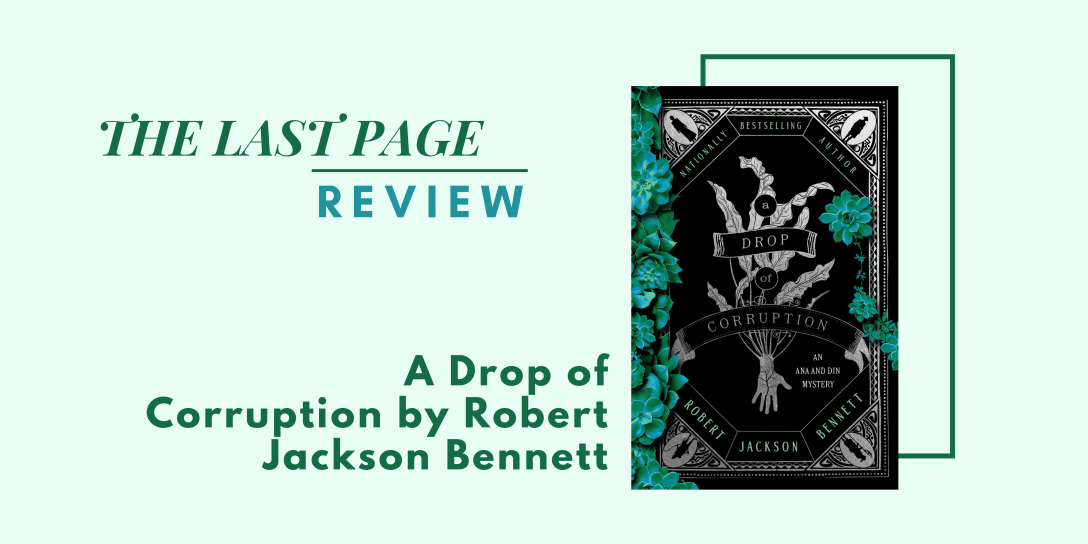
Review: A Drop of Corruption by Robert Jackson Bennett

Rating: 5 out of 5.

On the outskirts of the empire, Dinios Kol and Ana Dolabra confront a shocking mystery. An officer of the treasury has been murdered, after disappearing from a heavily guarded room with exterior locks and windows still intact. The territory of Yarrowdale is the only Canton free from the Empire’s influence – staved off by a hundred-year treaty that is about to draw to a close. With the horrific discovery of parts of the treasury officer’s remains, Ana and Din realize the conspiracy reaches further than just a simple disappearance. The threat comes from an individual who appears to be steps ahead of them, able to predict the moves of their investigation and all its intersecting figures. Far from the threat of the Leviathans, Yarrowdale still plays a vital part in the empire’s tapestry. Here, the dead carcasses of the Leviathans are hauled to an off-shore compound known as The Shroud – where their inner workings are harvested for their magical properties and transported around the rest of the empire. With an omniscient adversary setting his sights on a necessary part of the empire, Din and Ana have their work cut out for them. Yet it is the past that they investigate that could bring the case and Yarrowdale to ruins.

The Tainted Cup was one of my favorite books of the past year, a series debut that ingeniously blended fantasy and mystery in a punchy yet poignant fantasy world featuring an unconventional investigative pairing. Robert Jackson Bennett serves up his follow-up in a novel no less witty nor utterly transformative. Ingeniously plotted, A Drop of Corruption takes our detective duo far away from the influences of their pesky empire, to Yarrowdale, a canton teeming on the edge of change – to be absorbed into the empire or continue to stand on its own. Corruption and the unsettling biology of the Leviathans take root as investigative assistant Din and the ever-brilliant detective Ana Dolabra delve ever deeper into the strange murder and a new conspiracy that could threaten the safety of Yarrowdale and the entire empire. Snaking back upon itself continuously in Bennett’s typical style, A Drop of Corruption nurtures the flawed reality of those who relentlessly pursue progress within an empire and the costs of those who continue to unearth the corruption at its heart.

Robert Jackson Bennett’s Shadow of the Leviathan series is as powerful and reinventive as the leviathans that wreak havoc on the shores of his flawed empire. In A Drop of Corruption, Bennett takes Din and Ana away from the center of this empire to its outskirts in Yarrowdale where a conspiracy bears unexpected fruit and has unforeseen repercussions. As Ana and Din confront a new case with a confounding center, Bennett draws a tighter net around the workings of the empire and the civil servants who work tirelessly in service to its unending goals. The characters continue to delight – Din, sardonic and chronically tired, and Ana the peculiar and brilliant investigator who continues to call people out so precisely, all while blindfolded. Our assistant and local bisexual disaster Din is back and more chaotic than ever, as he copes with greater financial burdens after the passing of his father and a growing sense of helplessness as he is exposed to the reality of the empire. A Drop of Corruption jumps beyond these established dynamics to delve deeper into the psychology of the characters and the makeup of the empire. 


What continues to amaze me about The Shadow of the Leviathan series is the balance it strikes between its cynical humor and the deeper commentary taking place within Bennett’s world. Din’s concerns from book one become more prevalent as his loss, his new financial burdens, and his innate desire to enact change fester a desire to leave his job behind. All of these tempt him away from his work with Ana and this could very well be their final case. Through Din and the other characters intersecting his mystery, Bennett gives voice to the fatigue of unburying corruption that seems unending and only drives dedicated people to corruption or absolute pessimism. The revelation that the people who think they are doing things for the greater good – in service of the empire or Yarrowdale’s independence end up bringing about corruption and causing greater suffering was an interesting link in that chain. A Drop of Corruption continues to emphasize people at the mercy of a system and how this empire only begets further pain and violence. Building a better world is oftentimes a tiring endeavor and drives further cynicism but it is still a necessary one, a tenet at the heart of this mystery. A Drop of Corruption is not just a perfect sequel it is a perfect book. The characters are at their height, the dynamics polished and razor-sharp, and the mystery just as world-altering as its predecessor. Robert Jackson Bennett is a formidable talent and I’ll be needing a million more mysteries with Ana and Din. 

Thank you to Netgalley and Delrey for providing this arc in exchange for an honest review.

Trigger warnings: death, blood, murder, violence

Preorder a Copy:

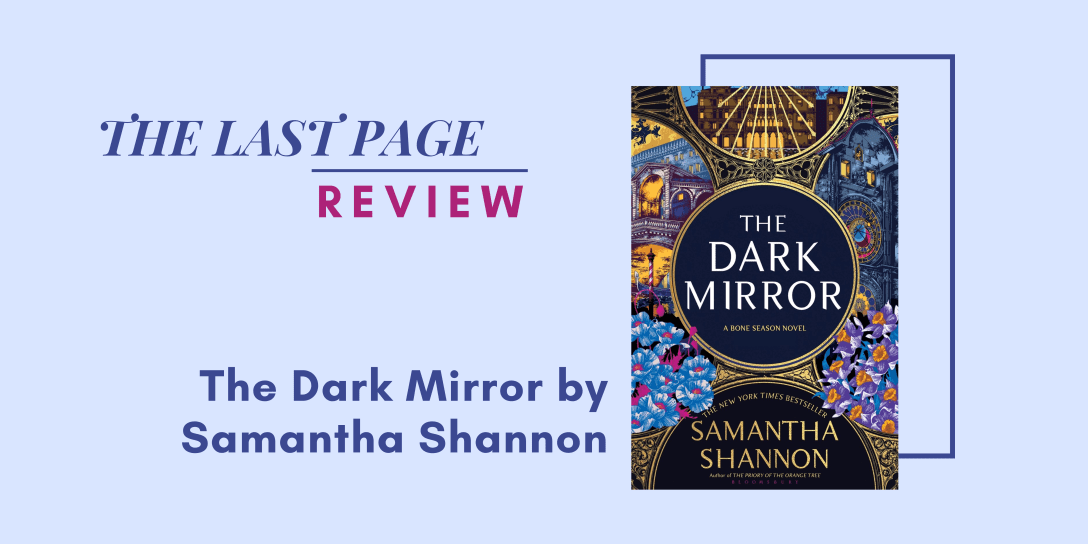
Review: The Dark Mirror by Samantha Shannon

This is book five in a seven-book series. As such, former books and events contained in this installment will be discussed. Read with caution (I’m serious).

Rating: 5 out of 5.

When Paige Mahoney wakes she finds herself captured and outside Scion-controlled territory for the first time since childhood. Six months have passed since the Paris bombings, but Paige has no memory after the night of the masquerade. Dosed heavily with the White Aster plant by her captors to suppress her memory, Paige’s amnesia threatens to drag her under with no chance of returning to her former self. Yet Paige escapes, journeying to Venice to find allies who thought her long dead, and the world transformed in her absence. The memory of Arcturus’ betrayal still cuts fresh, but in coming face to face with the Ranthen and her clairvoyant allies Paige begins to question the truth behind their last conversation. News reaches the Domino Programme of a new Scion plot, Operation Ventriloquist that will tip the scales of control over Europe in Scion’s favor unless they unravel the means behind this new plan. Though Paige was brought out of her stupor with the White Aster it still has roots deep within her dreamscape and there is only one individual who could help her, if he’s even still alive. Traveling to Italy, the team has one chance to bring themselves out of the shadows and play the first hand in the fight over the remainder of the free world. And it all starts with rescuing Arcturus Mesarthim.

What began in Oxford and the clairvoyant underworld of London to the catacombs racing beneath Paris transforms across the winding streets of Italy in this fifth installment to the Bone Season. With The Dark Mirror, Samantha Shannon presents the fifth chapter of her groundbreaking series and it is assuredly her strongest work by far. This fifth book is this series fully realized, in its themes, characters, and deftly constructed plot finally blossoming with astonishing precision. After the agonizing events that concluded The Mask Falling, this sequel is as much a soul-deep reconciliation between Dreamwalker and revolutionary Paige Mahoney and the warden Arcturus Mesarthim, as it is an expansion in the fight to bring the Republic of Scion to its knees. Paige and her allies take the next step outside Scion to unmask a new threat in Italy that will transform the free world. Teeming with angst and decisive action, The Dark Mirror is everything I could have hoped for interwound in one astounding volume. With so many emotional reconciliations, confessed feelings, near misses, and epic confrontations it’s no wonder I spent most of this book being stressed as hell waiting for the other shoe to drop and the rest basking in its brilliance. Samantha Shannon leaves no holds barred in her fifth Bone Season novel which redefines the world order and the next stage for our revolutionaries.

Reading The Dark Mirror was the most stressful reading experience I’ve ever gone through and I can say that with a finality that should by no means assure you that this is not one of my all-time favorite books and I would not venture back into it willingly (as I already have done several times). The Dark Mirror is made all the more stressful by the concluding moments of book four, with Paige racing across Paris as airstrikes commence desperate to free Arcturus whom she realizes did not betray her – to her capture at the hands of Cordier whose intent we don’t fully understand. The Dark Mirror is full of unfamiliar experiences for Paige who suffers further loss of agency with her capture and exposure to the White Aster, a drug that could destroy her dreamscape from the inside out. Her memory loss is coupled with the startling revelation that she has lost six months of her life to the drug, causing her to question everything about herself and the decisions that led to Arcturus’ capture. As she comes back to herself with limited memory Paige rejoins the fight against Scion and must reconcile all that has occurred in the half a year since she was taken.

The Dark Mirror takes a further leap from Paris to the free world in Italy – a world outside Scion that represents immense possibility, for the Sargas expanding their dominion and for the world still free from its control. Book five presents the first time most characters have left Scion in decades and is fraught with the weight of that freedom. The way they react to this newfound freedom and the costs of knowing it for themselves were some of the most intriguing aspects of this novel. Nick and Paige in particular struggle with the free world and it in contrast to the things that have been done to them simply because of who they are and where they were born. As she wrestles with the reality of this free world, Paige continues to experience the lingering ramifications of her torture at Westminster. The continued impacts of Paige’s torture sink in deep, in Venice with its surrounding water, to Capri where her relationship with water is truly put to the test. Being near a constant trigger is challenging for her but beyond that Paige’s loyalty is tremendous when in rescuing Arcturus she puts herself in the path of something that has the power to drag her back to those horrific experiences. Her connection to water and the mastery of her fear is truly awe-inspiring and it reminds me of why she is such a powerful protagonist – her startling tenacity and guiding loyalty that remains unshaken.

The themes of identity and fate come to a head in this fifth chapter, as Paige sets out to rescue Arcturus from Nashira but finds it’s not so simple. Past motifs like the devil and death inverted cards are finally unveiled with devastating effect and unforeseen ramifications. Never would I have guessed the reality of Arcturus’s rescue and it was excruciating to read the chapters dealing with the discovery and the aftermath. This fifth chapter centers heavily on emotional tension and misperception as Arcturus comes back to himself after his latency and Paige continues to provide support – with a degree of distance. In the aftermath of Capri and Arcturus’ return both Paige and Arcturus struggle with guilt and where they stand with one another. Arcturus wants to hide his experiences of being mentally and physically tortured by the Sargas and the dreamwalker Cade Fitzhours, who used his memories with Paige to psychologically and physically torment him. On the other hand, Paige holds herself personally responsible for his capture and believes that he must as well since he is more emotionally reserved. Despite where they believe they stand Samantha flips their dynamic, with Paige looking after Arcturus and relying on her knowledge of him to bring him peaceful moments. The scene where they perform the Gloaming together is probably the standout of this sequence and a wonderful callback to their beginnings at Oxford.

The emotional reconciliation between Paige and Arcturus is a long time coming, but it is agonizing to read, yet made all the more hopeful on the other side. Paige and Arcturus have always shared their truth no matter how painful and excising their truths after six months apart isn’t easy for either of them. Several scenes carved out a hole in my chest, particularly when Arcturus confides in Paige that their time in Paris in that dark room became his shelter during his torture in Carcassonne. I don’t know what hurts more the fact that Arcturus’ dreamscape was in complete shambles and then his spirit shifted it to the Guildhall, the place he first kissed Paige and where he felt the safest, or that when he was being tortured he only had to think of their night in the dark to take himself out of his physical body. I’m still impressed at the depth of intimacy these two share and how that is represented across this fifth installment. At times it almost doesn’t seem real but then Samantha Shannon reminds us of everything they have done for one another throughout the journey they have been on. Their trust and intimacy have held fast against some of the darkest things anyone should ever have to face and that is fully honored by the sexual intimacy they develop in their reconciliation. The whole duet chapter is a testament to the trust and innate love they share. The connection between the dark rooms and physical darkness being outweighed by the firelight at Orvieto is one such instance. Paige and Arcturus have spent so much time within the darkness, in Oxford, and in dark rooms meeting the feelings that burn through them that it’s crucial for this stage — the consummation of their physical relationship and emotional reconciliation— to reflect a stepping into the light.

Across Venice, Capri, Orvieto, and Rome, Samantha Shannon tightens the knot and brings old allies and new enemies into the fight over the freedom of Italy. Nick and Maria are back in full force and are more than ready to assist Paige in this next stage and it is an utterly heartfelt reunion for the Mime Order crew. I loved all the moments with them standing up for Paige and advocating for her against the organizations that intersect the fight outside of Scion. Maria undeniably stands out in this one and is probably my new favorite side character (her channeling Frodo Baggins was terribly funny). She just wants to light things on fire and hang out with her hot girlfriend and I have nothing but respect for that. The Dark Mirror is a real turning point for Paige, as she opens up to those in her life about her experiences and allows them to support her in her recovery. I appreciated how much of that connected to her coping mechanisms in the past and turning aside from them as she embarks on a new chapter. The Dark Mirror is a reminder for our core characters of just how much they can accomplish together as they reunite and make one of the greatest stands against Scion.

As Paige and her clairvoyant allies unveil the truth to Project Ventriloquist, they unmask three new players on the board – Grapevine, Tin Man, and the Council of Kassandra unfurl a world on the brink of war. It all goes down in Rome, in an epic sequence across streets beset by Buzzers allowed entrance through the cold spots awakened by latent Rephaim hidden underneath the city. This final act layers all the known lore about the Rephaim and twists it into a horrific act by Scion to take control of Italy in the next stage of its European invasion. The final fight at the Colosseum with the Ranthen fighting the Sargas Rephs and Paige coming face to face with Cade while the rest of their allies explore beneath for the final body as Buzzers swarm the ruins was utterly masterful. The Dark Mirror highlights Paige’s desperation as a kind of strength, particularly in her fight against the dreamwalker Cade Fitzours who has spent his life coming into his power. Samantha Shannon makes it clear that Paige didn’t have that luxury, she was quite literally thrown in to her power. She has always made unconventional moves, in her time at the side of the White Binder and her reign as Underqueen and she uses that to her advantage. As she fights a dreamwalker with seemingly unlimited powers, her cleverness is again on her side as she uses her own memories to suffocate him in her Dreamscape.  

The Dark Mirror is a resounding ode to dreamers and resisters and is undeniably the best in the Bone Season series. This flawless installment manages to entwine every strength from its former novels, with the mystery, trauma, and heartbreak coalescing across a pivotal fight in Italy. It is also Samantha Shannon at her most diabolical. I already cried my eyes out to chapters twelve and thirteen, and the journey out of chapter twelve was so intense and genuinely made me feel like I was being hunted for sport. The echoes of certain scenes of books past, and long-awaited developments make this such a treat for fans of the series old and new. The Dark Mirror is a wonderful tribute to the journey this series has taken and is further proof that it is just the best of fantasy right now. The Dark Mirror is certainly a long-awaited sequel but it’s heartrending and masterfully plotted and deserves to be read over and over again. 

Thank you to Edelweiss and Bloomsbury for providing me with an advance review copy.

Trigger warnings: forced drug use, death, blood, violence, murder, panic attacks, grief, suicide, emotional abuse, kidnapping

Preorder a Copy:

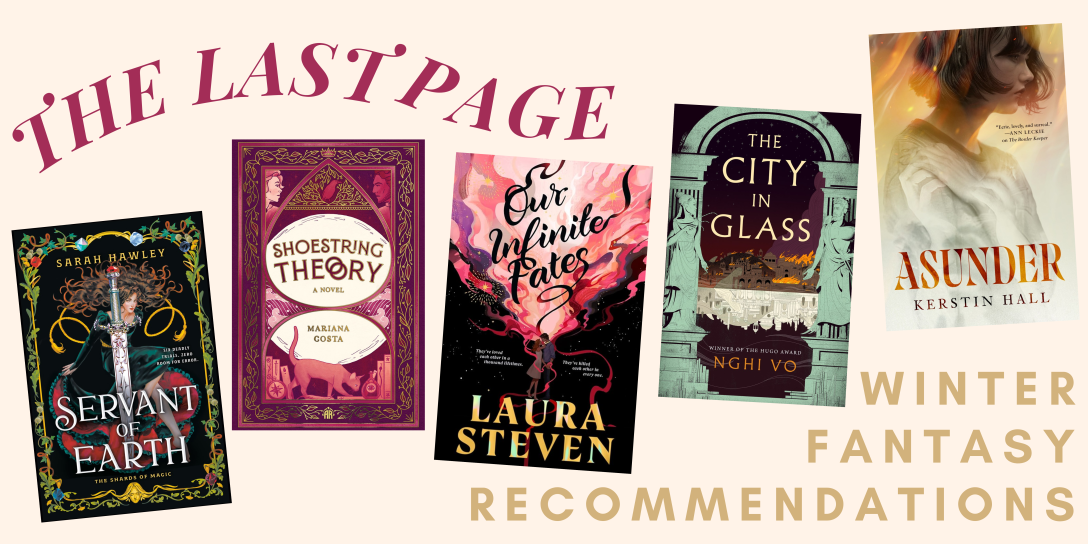
Let’s Talk: Winter Fantasy Recommendations

Something about the winter season just screams fantasy to me so as the weather gets colder and the days get shorter I have been settling into reading more and more from the genre. This winter, the sheer number of fantasy books really popped off so this entire list simply reflects my inability to pull myself away from anything resembling fantasy or romance. But I’m mostly focusing my attention on underrated fantasy gems – books that I haven’t seen enough people talking about for my liking that should definitely be on everyone’s lists for the remainder of the year and beyond. A snapshot of these recommendations includes a rivals to lovers light academic fantasy, a fated reincarnated duo who can’t stop killing each other, a time travel do-over, a new twist on fae romantasy that includes talking daggers, and two brilliant academic fantasy novels.

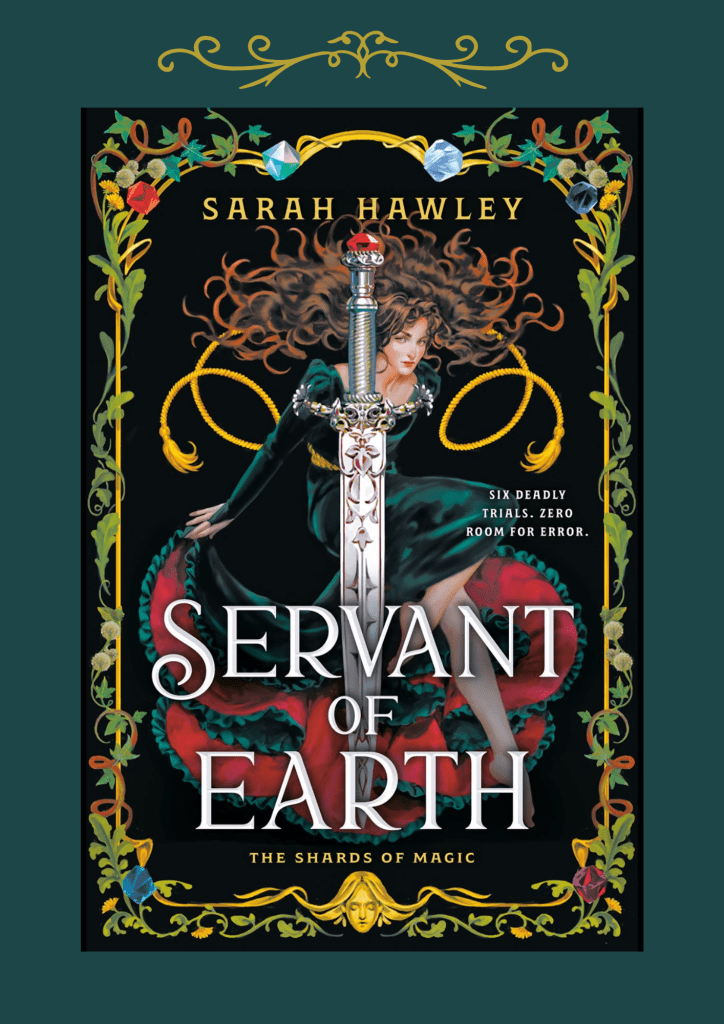
Servant of Earth by Sarah Hawley

A magical dagger that talks to you and thirsts for the blood of your enemies? Say less.

As a proud romantasy enjoyer I am always on the hunt for my next obsession and Sarah Hawley’s romantasy debut is my latest. After managing to navigate the treacherous bogs that separate the fae and mortal lands, Kenna, a young human, is bound in servitude to the illustrious Earth House. Forced to assist the heir as they compete for immortality and control over their power, Kenna must outwit the members of the other fae houses while securing her place in their violent world. From the moment Kenna discovers a magical dagger in the bog with a thirst for blood and a tendency to beg for violence I knew this was going to be a unique romantasy. Playing off of some standard tropes, Servant of Earth is anything but typical. Our protagonist Kenna is clever and outspoken, as she navigates the fae court, unsteady alliances, and several romantic paramours (I am here to put forth the Kallen agenda). All I wanted for Kenna was to witness her rise after her struggle and it was so incredibly iconic to get to that point. She’s a legend, your honor!! I love the books that lean into the brutality of the fae lands and this is very much doing that while also exploring the longevity of war and living under tyranny. Book two is certain to be bloody and nothing short of brilliant and I await it most eagerly.

Buy a Copy:

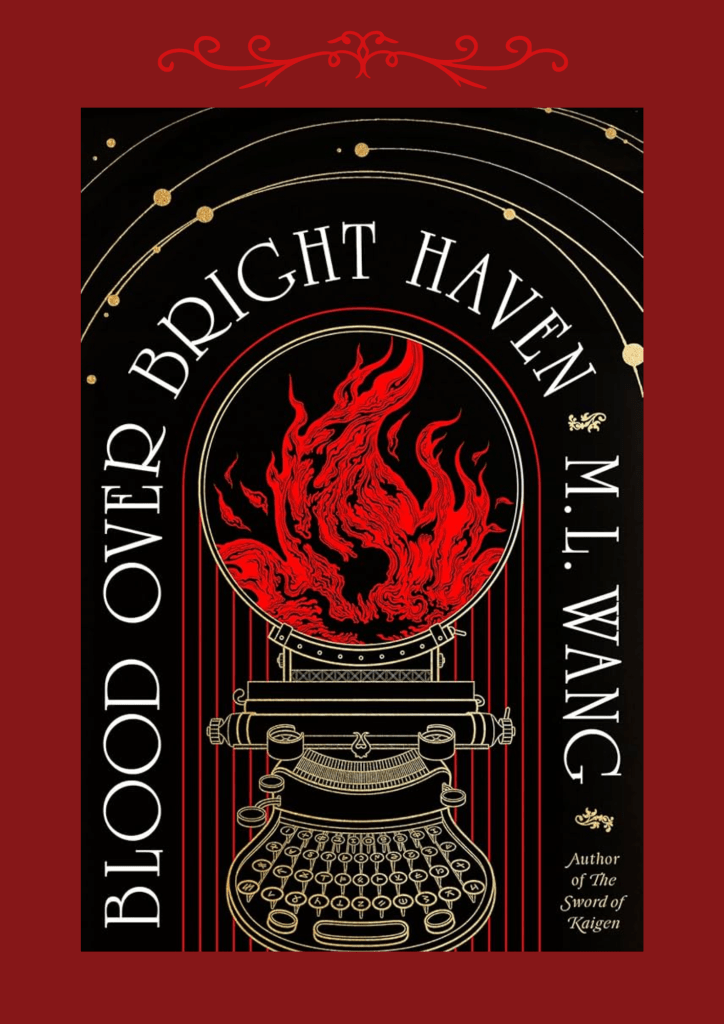
Blood Over Bright Haven by M.L. Wang

Slayed boots the house down everyone is deceased.

With one of the most fraught opening chapters, M.L. Wang signified the true excellence awaiting in her academic fantasy standalone, Blood Over Bright Haven. From those first moments I knew this book was going to wreck me, but I didn’t know to what degree. Sciona, a young mage, has become the first woman to take on the mantle of highmage, but when she enters her new ranks she discovers more than the expected animosity with her peers but a flawed reality behind her city’s power that could cost her everything if acknowledged. Unflinching in its look at exploitation at the heart of progress and academia, Blood Over Bright Haven flawlessly details the descent into disillusion and Sciona’s rebirth as she resolves to bring the fetid truth to light. Part of what makes this book so brilliant is how frustrating it is to read from Sciona’s perspective – someone who while marginalized as a woman in academia, still benefits from the system in place and struggles to decenter herself when she learns the price of that power. The connection between her ambition, her underlying biases, and the desire to be seen made for a fascinating character arc, one that culminates in a rage nothing short of spectacular. In the face of this masterpiece, words really do fall short but it is brutal, powerful, and a necessary piece of fiction for modern times.

Buy a Copy:

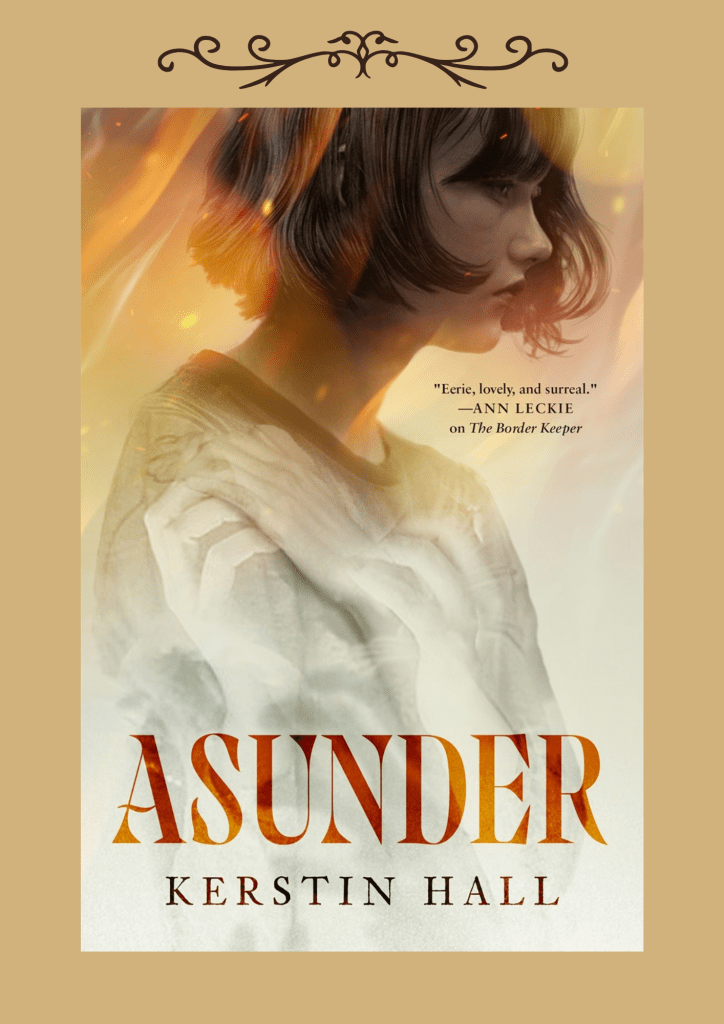
Asunder by Kerstin Hall

I don’t want to lose you let’s merge souls bro.

Ever since she bargained with an eldrich entity, Karys Eska has been able to commune with the dead. Her latest job to uncover a ship gone astray leads her to the only survivor of the wreck, a young man named Ferain. Moments from dying, Karys binds him to her shadow, a choice that sets them on a collision course with the beings that caused the wreck and their divine allegiances holding sway – as she and Ferain become further entangled with the chance they can never separate. Perhaps the most underrated of the books I have chosen here, Asunder by Kerstin Hall is a fantasy triumph. With one of the most confounding and intense opening sequences, Kerstin Hall frames a world caught against a violent past and the uncertain future of a young woman turned Deathspeaker fighting for a future entirely of her own making. Its protagonist Karys, grasps for power in a world that has resisted her and rages against a terrible fate that awaits her when her contract is up. Karys’ vulnerability clouds the narrative and her fear of real connection, while frustrating, lends itself to her growing romance with Ferain and friendships with our main crew. The ending is SOOO diabolical and I need it to mess up more people!

Buy a Copy:

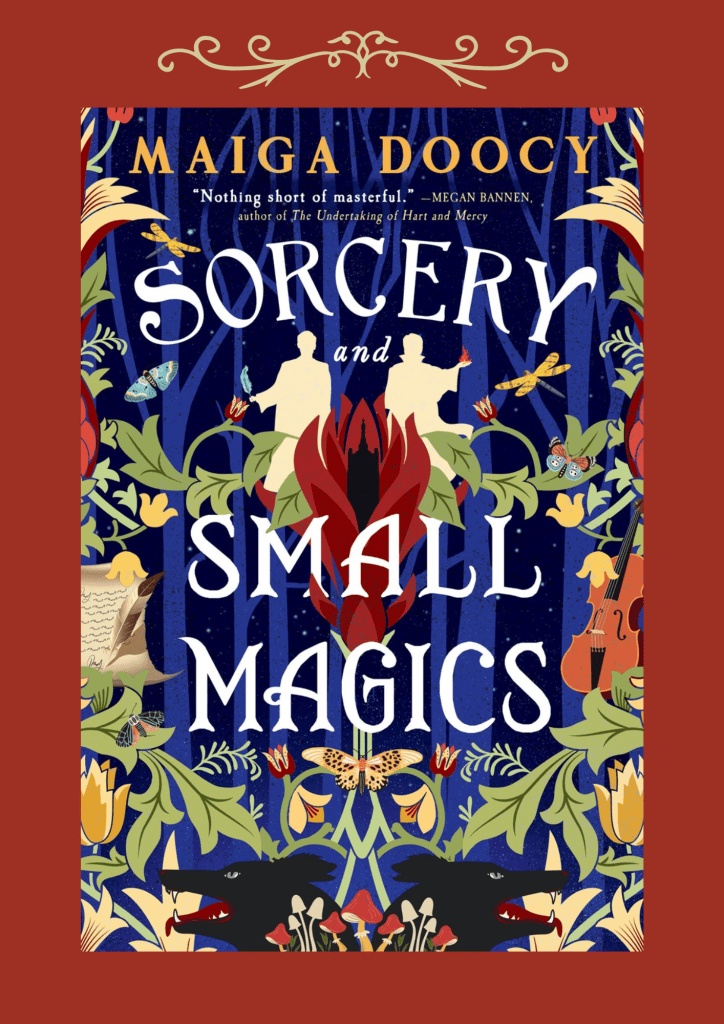
Sorcery and Small Magics by Maiga Doocy

When you’re cursed to obey your greatest rival who you maybe want to kiss a little.

A brand new fantasy duology that feels like a mashup of Ella Enchanted and light academia, Sorcery and Small Magics is a delightful foray into spells gone wrong and forced proximity between two rival sorcerers who team up to break a curse. Tethered closer and closer together despite their animosity due to an unexpected curse, Doocy brings together an adventure into an enchanted forest where two rivals learn just how much they can accomplish together as they work to break it. Our protagonist Leovander was an unmitigated disaster (affectionate) and I love him so much. Characters constrained by insurmountable family expectations who rise above them to cause chaos and write their own stories will never not be loved by me. This is the first in a duology that serves to set up the larger framework for the remainder of the series but it is a thoroughly charming start. Lot’s of bickering, romantic tension, and external issues to make it so that you never put this one down.

Buy a Copy:

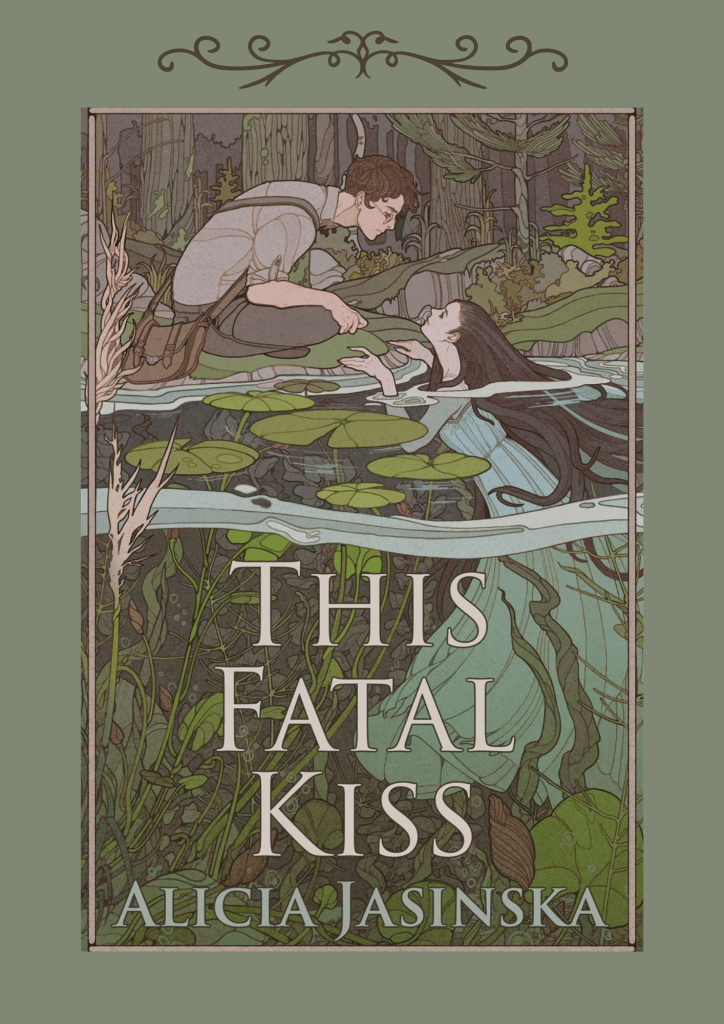
This Fatal Kiss by Alicia Jasinska

A water nymph annoys the local exorcist so much he falls in love.

Escape into a whimsical fantasy with a smidgeon of meddling, and a heck of a lot of heart. Gisela is a river nymph, cursed to forever wander the river in which she drowned. The only way back to her human form is a kiss from a willing human. Luckily, the spa town nearby is full of potential suitors, but Gisela can’t get past Kazik, the grandson of a witch determined to excise the troublesome creatures in the town. After a failed attempt at exorcising Gisela, Kazik agrees to help her regain her humanity, yet neither of them expects to fall for the same man and the intended receiver of Gisela’s kiss. This Fatal Kiss has a cozy fantasy atmosphere that ensnares you in its depths as nymphs, witches, and demons wander and revel in the delights of a small spa town, and something darker lies in wait. The character dynamics are what truly set this one apart. We’ve got a fantastic grumpy sunshine dynamic with Kazik and Gisela as they begrudgingly agree to help one another, and Aleksey rounds that all out with his mischievousness and secretive demeanor. The friendships among the different water nymphs were also so sweet. I went in thinking this was a standalone, but there are several loose ends I imagine will be addressed in a later sequel.

Buy a Copy:

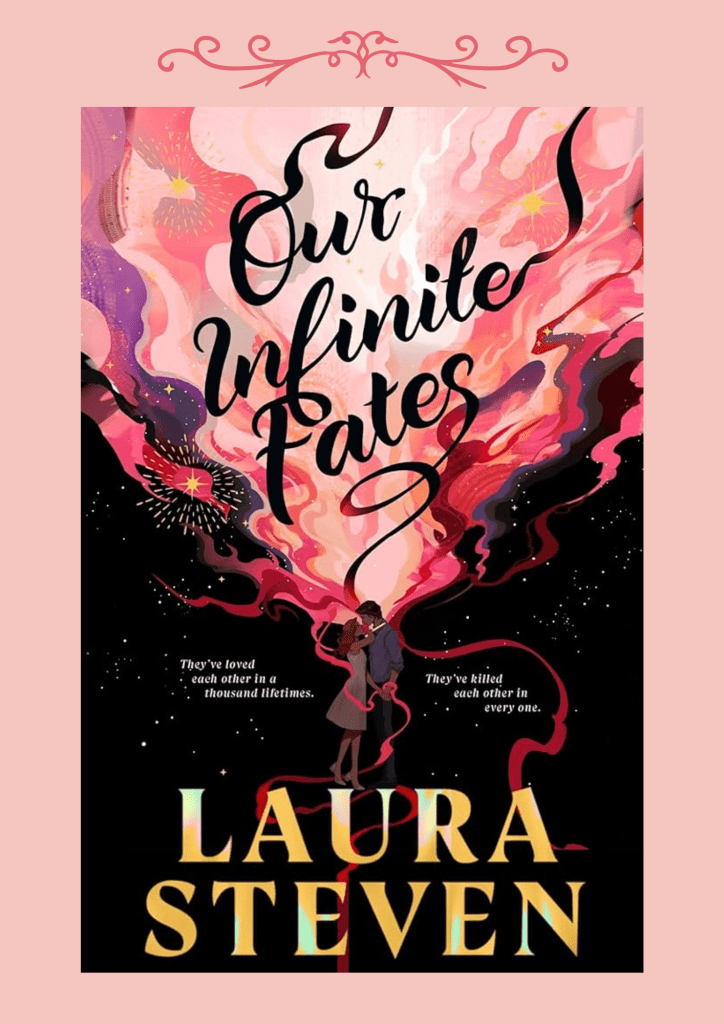
Our Infinite Fates by Laura Steven

When you’re tethered across every lifetime but you just can’t stop killing each other.

For as long as she’s remembered, Evelyn has not lived to see beyond her eighteenth birthday. Across lifetimes Evelyn has been hunted by Arden, a young man whose very soul is tied to hers. Evelyn has never been able to surmise why Arden hunts her, nor why they are connected in this way, but her current life has never needed her so badly – with her sister in desperate need of a bone marrow transplant that only she can provide. To bargain a way out of her established fate, Evelyn will turn to her murderer across lives for one final stand-down that may prove far deadlier than their connected pasts. Our Infinite Fates was an addictive thrill ride across various lives, and loves, of two complicated people tethered together by an unknown fate. Narratively layered with Evelyn and Arden’s past lives counting back to the truth behind their curse, Steven bridges a love story for the ages that stands against the fabric of time and asks whether love truly can win out against the weight of the past. The twists in this keep coming, unburied even as they seem fully excised against the truth behind this fated connection. Admittedly the final scene in this was enough to make me cry and the entire resolution was so wonderfully wrought you’ll be thankful for the tears.

Preorder a Copy:

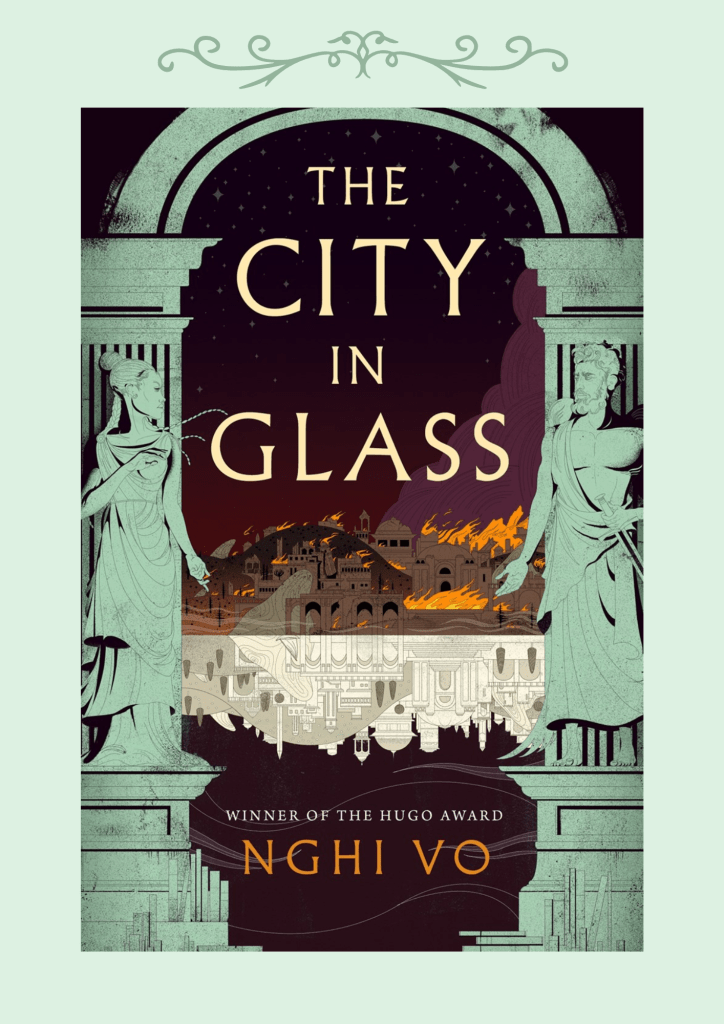
The City in Glass by Nghi Vo

What if you were one of the angels responsible for destroying a city built up over centuries by a demon and she cursed a bit of herself to follow you forever

I am never shocked by Nghi Vo’s brilliance so this intimate expose into the lives of two immortals endeavoring to rebuild a city after its destruction was never not going to be an unforgettable story. Writing in the face of some truly iconic angel and demon duos, Vo flips the script with angels descending on a city to destroy its people and a demon who built the city up over centuries enacting her revenge and laboring to restore what was lost. The beauty in The City in Glass is in the passage of time and the resolve of a demon not wanned in the face of centuries. Nghi Vo brings together two immortal beings meant to forever bear the weight of the past and witness the hurts and triumphs of humankind. Vitrine, a demon, grapples with impermanency in contrast to her own permanency as an immortal beholden to time. The writing is a reflection of this, as years pass by and the city is restored but inevitably falls prey to violence and change. The love between Vitrine and the angel ostracized by his own kind and cursed with a part of herself was really the icing on the cake. I promise you will never be able to predict where the story ends but it feels altogether fitting for two immortals who have both hurt and loved in their own ways.

Buy a Copy:

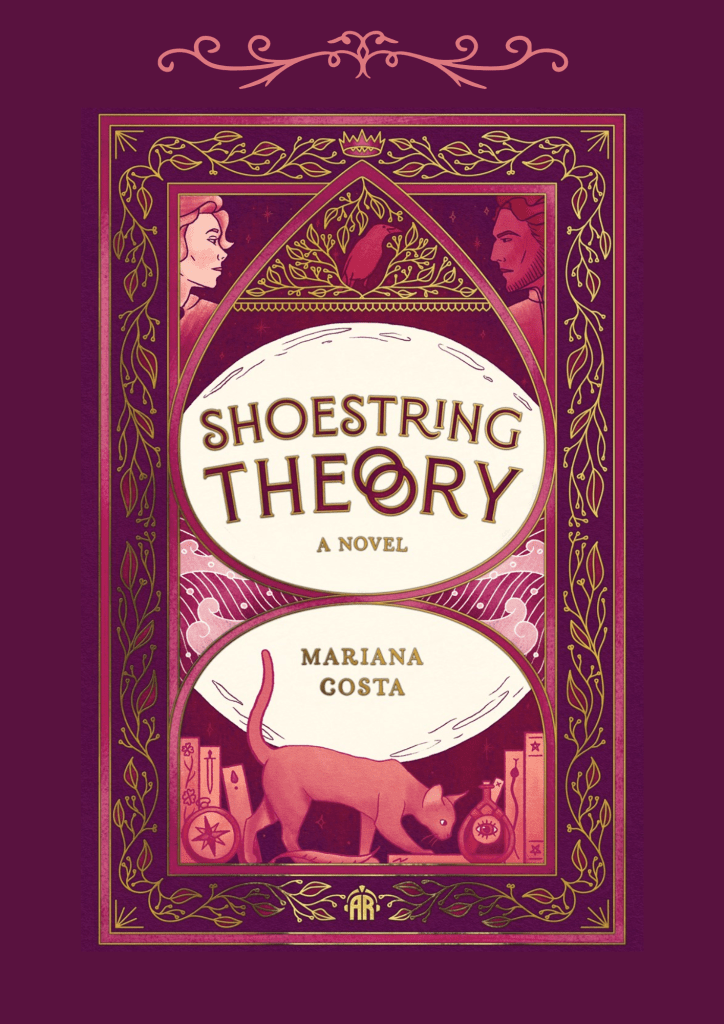
Shoestring Theory by Mariana Costa

Cats, time travel, friends to lovers to enemies to lovers??? A triple threat.

Cozy apocalyptic time travel fantasy is a heck of a combination but Shoestring Theory pulls the threads together to create a unique and oddly hopeful queer fantasy standalone. Many years future, an aging Grand-Mage hides away from his kingdom now in ruins. His husband, King Eufrates Margrave, now rules with an iron grip and has descended into paranoia. As his days dwindle, Cyril casts a powerful spell that pulls him back to the days of his youth – before the death of the princess pulled Eufrates to the throne and madness blossomed, but unfortunately, that is not the only thing he brought back with him. Overhung by a dark future, Shoestring Theory feels like a one last shot kind of plot as cat transformations, old bonds, and future tragedy intertwine with one mage’s search for reconciliation. Rarely do I see friends to lovers to enemies that hinge back to lovers and Eufrates and Cyril were serving that to the extreme. The hatred was so powerful that I really believed these two were too far gone to ever reconcile, but Costa proves just how the past can be healed and these two, and others, can move forward. I really enjoyed the conclusion and who was really pulling the strings of fate all along. Very cozy and armed with a poignancy that had me floored.

Buy a Copy:

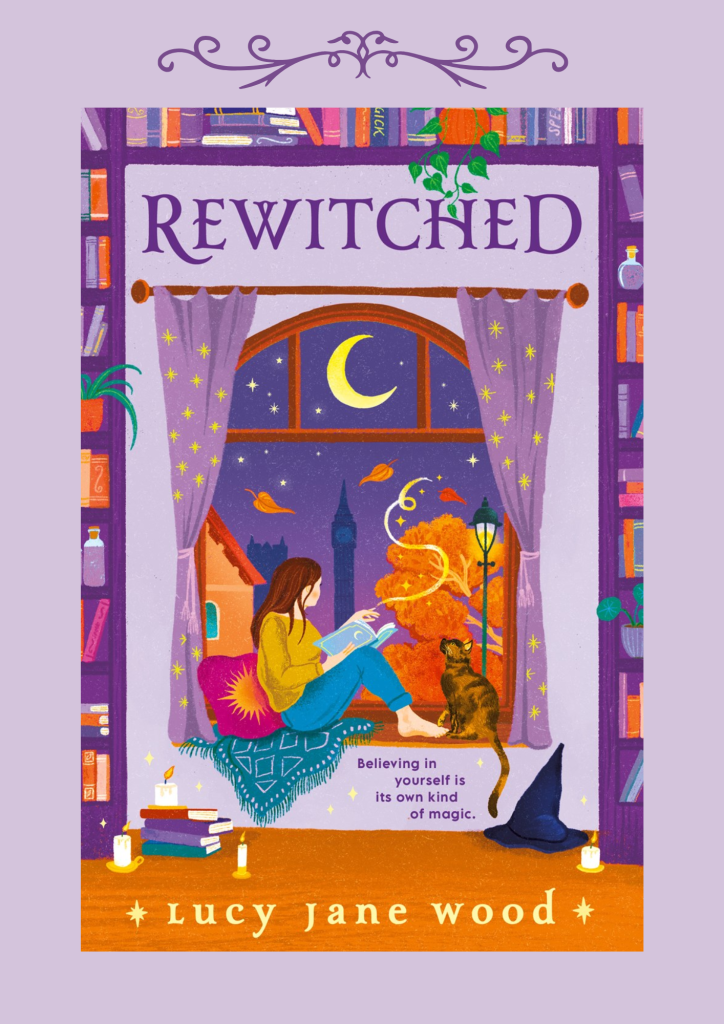
Rewitched by Laura Jane Wood

Oh no, the hot bisexual man with an impeccable sense of style and a tendency to announce himself in the worst possible way is tasked with keeping an eye on me!! Whatever shall I do??

Rewitched, part cozy fantasy, part bookstore love letter, and part romance is the coziest book I read this fall. I felt swept up in the magic as Belladonna Blackthorn, a young witch newly turned thirty realizes she must prove her worth to maintain her magic or lose it entirely. With the month of October to train Rewitched sparks a journey of rediscovery, with Belle’s interconnected past, her family, and her connection to her power reenlivening her way forward. Lucy Jane Wood thrilled me with a magical atmosphere that travels throughout London from the magical to the mundane spaces – all rendered with a remarkably vivid hand. The slow-burn romance kindling on the sidelines and the family bonds and close friendships really built up a foundation for the narrative and cultivated that sense of community. This was quite simply the coziest fall fantasy with a dash of romance to round it all out and you bet I will be continuing with the next novel set in this universe next fall!

Buy a Copy:

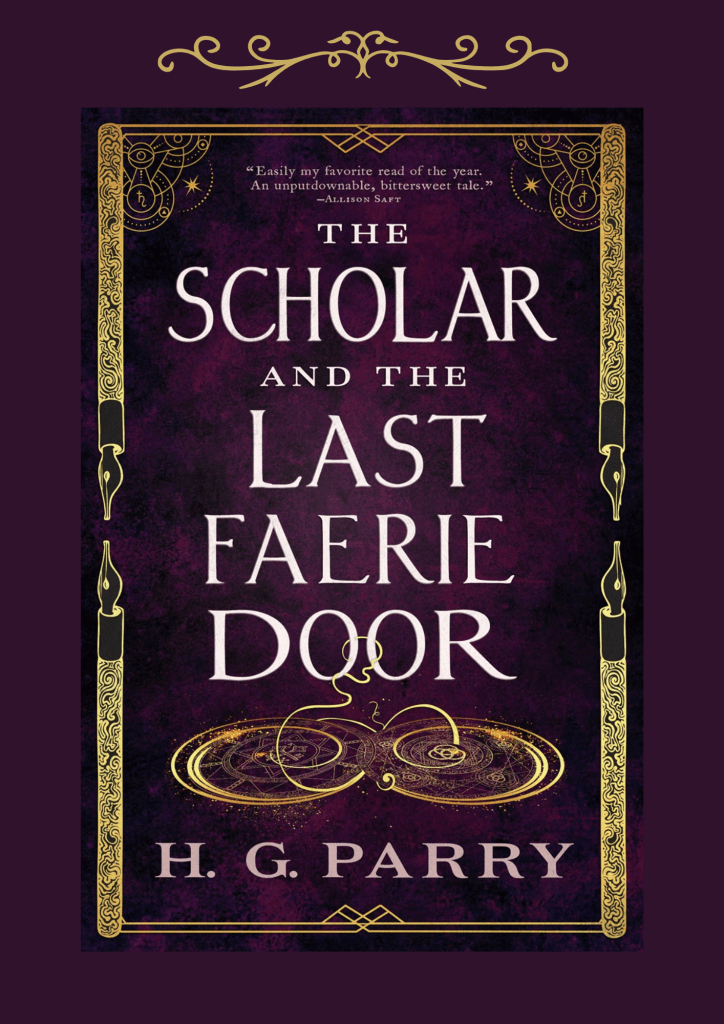
The Scholar and the Last Faerie Door by H.G. Parry

Good soup: another book exploring exploitation at the heart of academia

Four friends reunited in secret scholarly pursuits are torn apart when experimentation takes a deadly turn and old secrets bring it all crashing down. It’s 1920 and as England recovers from one the deadliest conflicts in its history, Clover Hill, a commoner, is admitted on scholarship to Camford a secret magical academy that exists to raise the next generation of magic users. She tells herself she does it for her brother – one of the only survivors of a deadly faerie attack on the battlefield during the war, but soon Clover is drawn into her own ambitions and plans that could wreck her newfound world. A dark academia similar to Babel in its narrative breadth and core friend group united and then scattered to the winds, The Scholar and the Last Faerie Door intertwines the worlds of the human and fae to expose the wounds of an established system built upon exploitation and the price of dissent. H.G. Parry adds new layers to this overarching conversation of scholarly pursuit in academia with class and gender unifying around the true cost of magic in this world. This character driven academic fantasy certainly stands on its own and should be talked about in conversation with other pillars in the genre.

Buy a Copy: