Please note this review contains spoilers for the former book in this series, Voidwalker, and contains references to some of the events in this sequel. Read with caution.
⭐⭐⭐⭐⭐
Rating: 5 out of 5.
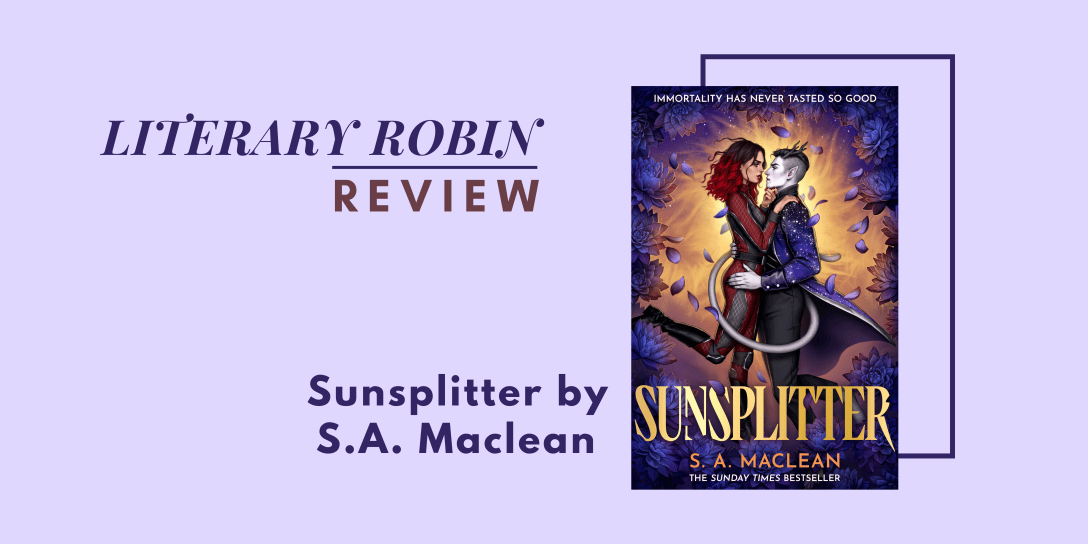
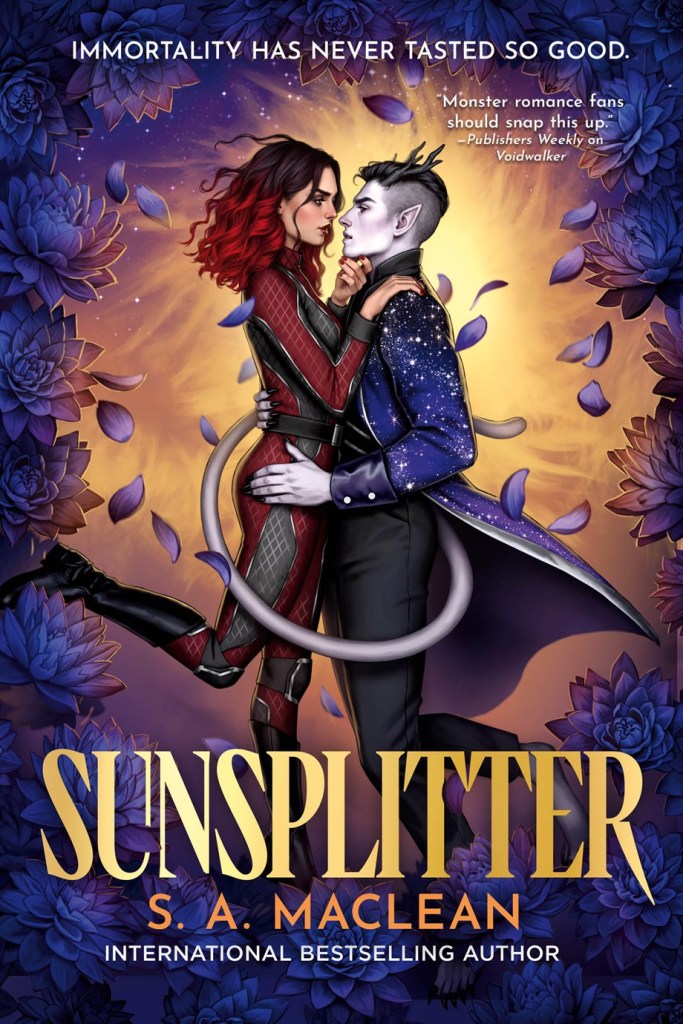
A year after revolution, Fionamara, part time smuggler and Voidwalker, has settled down in the winter city of Tomaskweld. Alongside her Daiyari partner, Antal, and their allies, they have built the city into one free of the sacrifices to the creatures of the void. This year of peace draws to a close when Antal receives an invitation from his family requesting his return. After several decades away, they want him to come home. Determined not to let her partner wander off into danger alone, Fi is more than ready to travel to a plane filled with cannibal beasts—some of whom definitely want her dead. Even knowing the tormented past of Antal’s former partner, she is not willing to leave him to face his family’s demons alone. Thus, Fionamara and Antal pursue this homecoming as they do all things: dramatically and with style. Arriving on the Twilit Plane, the couple soon find Antal’s people are more than willing to eat Fionamara alive. The toughest adversary is none other than Antal’s father, a man who bears no understanding for humans nor patience for what Antal and Fionamara have built. If he learns the truth about their new governance, he will not hesitate to undo all they have fought for. When a dangerous threat emerges from beyond the darkness—one that could doom even the daeyari—Fionamara and Antal join the hunt. The beasts of the void care not for family rivalry, but it is Fionamara who may not emerge unscathed in a clash of deadly immortals; at least, not without being forever transformed.
Sunsplitter asks what else there is to confront after successfully toppling the government and falling in love with a cannibal? Daddy issues. It wasn’t enough for Fionamara to successfully pull off a revolution and unite humans and Daiyari alike. Now she has to fight the realest villain of them all: her partner’s father (and source of his trauma). The dark fantasy duology that first took shape in the yawning void and the cusp of revolution returns to ask the eternal question: what happens after the happily-ever-after? For author S.A. Maclean, this gets a bit complicated, as happy-ever-afters are so rarely without the real work of partnership itself. In Voidwalker, Fionamara and Antal forged ahead with revolution, one that required fostering trust to reclaim their world. Now a year into rebuilding, old ghosts threaten newfound security and their flourishing relationship. Sunsplitter ushers in a new era for our disaster bisexual duo. We have a wardrobe change and a new dye job for Fionamara (emphasis on the red), numerous personal injuries, confronting the trauma within—and surviving—and the unification of two separate worlds. Sunsplitter proves who exactly can match a cannibalistic immortal race from the void, particularly in the monster-hunting arena. And the answer is whatever Fionamara has going on. It’s pure chaos condensed into one novel. A finale that had me more than willing to traverse the impossible void and back for one last adventure.
Sunsplitter is a book for the dark fantasy lovers who endlessly crave more after the initial closing of the pages. As someone who often wonders how her favorite couples would fare after facing down revolution, grief, and death, Sunsplitter was the perfect kind of sequel. S.A. Maclean knows what she plans to uncover in this second and final chapter. In Sunsplitter, the details of her characters we missed uncovering amidst the saving of the world are brought out into the light of day, or more specifically, the Twilit Plane. Here, Maclean examines the families who shaped our two leads so profoundly, and the traumas endured. Sunsplitter brings readers into the mysterious world of the Daeyari, their culture, and the customs which have dictated centuries of tithes and sacrifice. Antal and Fi are there to shake things up and bring it all crashing down (as only they know how to do). Sunsplitter increases the angst in a wonderful storm of humor and heartache. This book is a reckoning, a homecoming, and a comedy all at once. In one moment I was crashing out at Fionamara and Antal having to reference their meeting as: “So I blew up his capitol building” and “So there I was just chilling in her rafters, and also the snow bank, and also I was in my bathrobe” (paraphrasing). And in the next, I’d be moved to tears over Antal facing down his father and Fionamara just constantly throwing hands on his behalf. Fionamara and Antal face numerous adversaries in this finale to the Beasts of the Void duology, but most essential are the demons they face from within. While these demons are truly their own, they don’t have to overcome them alone.
This sequel is basically monster hunting, monster fucking, and several near-death experiences condensed into one installment, and I could not ask for more. Additionally, facing down your father, who is essentially Thranduil if he were an immortal cannibal on the Twilit Plane. Sunsplitter is a cathartic reading experience for anyone who has experienced similar parental dynamics to the cannibal creatures from the void, but it’s also a reminder for us to never diminish ourselves. Nowhere is that more evident than in our own fierce and slightly unhinged heroine, Fi. Despite being out of place in the Daeyari world, Fionamara never allows anyone to treat her as less. Her self-worth is such a bright spot in this novel, the way she demands it from her partner and holds him to task when he falters. These two aren’t just in it for the short term, they are consistently asking the other to be better in the here and now. If you love odd expressions of devotion, like crafting your eye in the image of your beloved or a character worried about the other while an arrow protrudes from their skull, you may love this novel. These two have me so goofy; I just love them so much. Sunsplitter is certainly different in tone to its predecessor, but as with all things, it’s the ripening of a plant long seeded—a fruit which is all the sweeter for having taken its time. S.A. MacLean wraps you in the embrace of the void, one that is merciless and comforting in conflicting measure. Sunsplitter closes the chapter on our havoc demons in an emotional send-off I’ll be thinking about for a lifetime. Or until the void claims me.
Thank you to Orbit Books for providing me with an advance review copy.
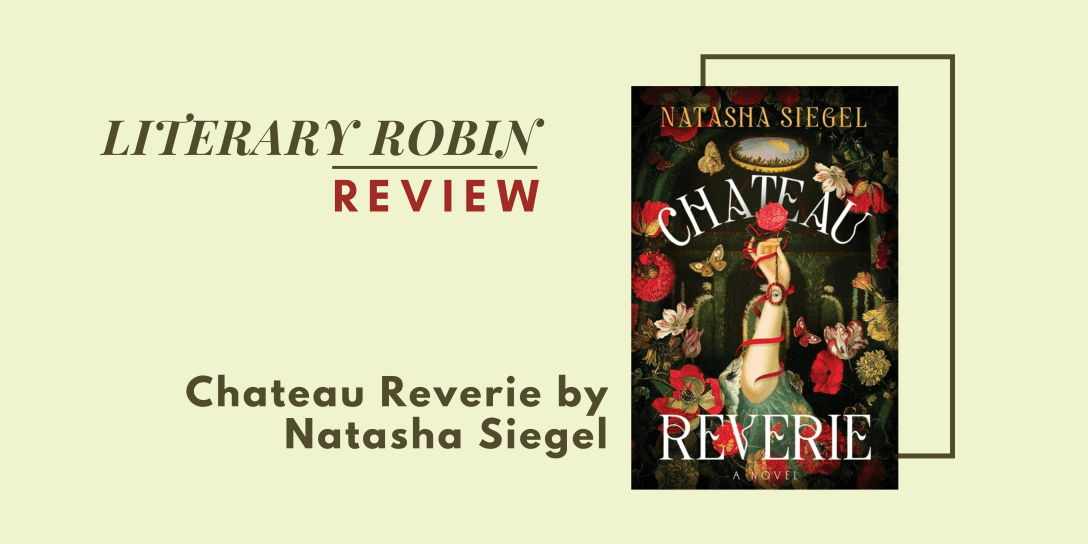
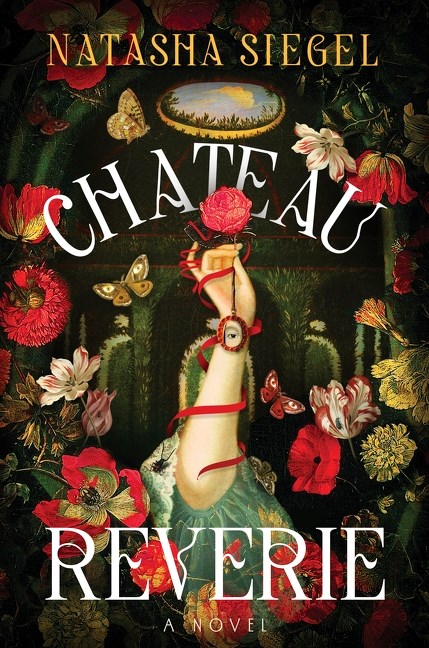
When the invitation arrives, Genevieve de Vienne does not know what compels her to accept. The invitation only asks for her to write upon it her heart’s desire before setting it alight. For Genevieve, there is nothing she desires more than to forget Claire Marchard, her former companion and lover lost to violence. For Leander Sterne, there is nothing he desires more than his liberty. To have a chance at their wishes being granted, both must attend the mysterious Reverie and Son’s Auction of Secrets—a choice made in setting fire to their desires, answering the alluring call of the Chateau Reverie. Arriving at the Chateau, Genevieve remembers nothing that came before the burning of the letter. Surrounded by others who have journeyed to the chateau for its powers, Genevieve is soon drawn close to one guest in particular, Leander Sterne. Hardened by a past that remains a mystery, Leander will do anything to win the game and secure his freedom. Yet his continued rise in the competition will require his deception over the woman who threatens his heart. The chateau cannot allow Genevieve and Leander to triumph together, for their desires for freedom and forgetting are in direct conflict, and neither of them wished for love in this exchange. To win will mean achieving a hollow goal, condemning the other to a far worse fate.
Natasha Siegel returns with another magical journey of star crossed love, fate, and the desperation which drives humans to bargain for their desires. Enter the Chateau Reverie, a place and a power that casts its nets upon the lost souls yearning to leave something behind, or gain anew. Where secrets are the currency and love has no place. Genevieve de Vienne desires to forget, Leander Sterne desires to remember, but neither party accounted for a love that would have them risk even their own freedom. Natasha Siegel has fully embraced the kind of historical speculative novels that make me go feral. It’s not enough to deliver a well rounded interrogation on humanity, on a period of history, she has to throw in a romance that had me clawing up the walls. Chateau Reverie is Siegel’s take on a star-crossed love story, set in the remaining years of the French Revolution on a Chateau out of time. Behind the walls of the Chateau Reverie, memory and power call out to the helpless to participate in an auction of secrets, where secrets are exchanged for their greatest desires. Grief and liberty are the lure to our lovers Genevieve and Leander, fated to intersect and be torn between want and sacrifice. Natasha Siegel’s compelling voice lends meaning to memory—the choices that define our past, and determine our future. Chateau Reverie is a twisted standalone of epic romance and tragic acts, lending weight to our shared humanity and love’s hand in surmounting even our darkest moments.
There is a complexity to Chateau Reverie that yearns to be uncovered from the novel’s first breaths. Siegel understands the power in the prologue, those glimpses to that which drives our characters to set an invitation aflame and travel the long journey to the Chateau. Once there, a chance meeting on the estate’s sprawling grounds introduces protagonists Genevieve to Leader, opposites in desires they may be, but inextricably drawn to one another. Between uncovering the mysteries of the auction and their fellow attendants, these two are yearning with a capital Y—a feat considering this novel’s condensed timeline, but another testament to Siegel’s powers; she’s going to bring on the yearn and you will feel it. The dynamic between these two is one that sinks in its claws (much akin to the chateau itself). Though both haunted by the past, Genevieve and Leander could not be more different in temperament, and their misperception to one another drives forward most of the tension in the first half of the novel. I fell in love with Leander when he woke up in a shallow grave and said no but it’s my fault for attempting to get some sleep. And Genevieve, who in many ways cloaks herself in pretense, is one you cannot help but love and root for—for her to live life in the light and for her to forgive herself for what she had to do to survive. Anyone who loves a good character driven tale will hunger little within the confines of Siegel’s Chateau. As this is me, oh did I feast.
File this novel under: this house is alive. And it’s preying on us. Chateau Reverie is like a doll house where every room uncovers some small trinket of humanity, the inner psyche of our characters, and the conundrum of our existence. This chateau holds memories of days long past and its glittering atmosphere and ornament is a facade to darker truths. These things torment the reader as we are led deeper into its cavernous underbelly and grapple with reality: is it a dream or little more than a facade. The tragedy of the lovers Genevieve and Leander feels pertinent here. Though love can strengthen us to surmount our pasts, is it something that is enough for us to cast off that which restrains us. Can we have freedom if we have to cast love aside and condemn another to torment?? Wandering the maze through Chateau Reverie’s heart, Siegel pushes Leander and Genevieve to expose the truths which hold them back from stepping forward and leaving behind the past. There’s a catharsis and a grief here, and in Lady Reverie, we see how humanity is a feeding ground for higher powers to feast upon. Dreams, regrets, thoughtless desires, it all finds a home within the boundaries of the chateau. It is up to our duo to reach for a future beyond their myth, the ending for a story long planned.
Chateau Reverie stretches out its hands and calls upon an age-old longing, one that takes hold of the reader as we are led further and further through its deceptive halls. One thing about Natasha Siegel: atmosphere is everything and this novel practically glimmers in it. The rococo design, chateau setting, and elegant attire for this period are an immersive surrounding for Siegel to enmesh the reader within. This excess haunts the narrative, a reminder of the pain hiding beneath this period and to our characters, who fight to move beyond pain and suffering. One of my favorite parts of this story is how easy it is to fall prey to a single narrative, allowing us to believe we have no choice. That single narrative can be confining ourselves in the past and the things that have been done to us. Though our characters are cornered by the deceptive nature of the chateau, there is always a way out, one they must uncover and fight for. Chateau Reverie is another historical fantasy legend from one of my favorite emerging fantasy voices. Look no future for standalones that pack a kick and provide that feral style of yearning. Natasha Siegel is never not making me lose my mind over a romance, and with two leads determined to sacrifice themselves for the other, this was never not going to land with me. Siegel’s Chateau Reverie stands as a testament of humanity’s desire to gain—certainly—but moreover, to follow our inner lantern and leave behind the fear that we could drown. To follow the lantern anyway.
Thank you to Edelweiss and the publisher for providing an early review copy.
Trigger warnings: violence, death, war, drowning, dead animals, suicide, suicidal ideation
Please note this review contains spoilers for the former book in this series, Servant of Earth and Princess of Blood, and contains references to some of the events in this sequel. Read with caution.
⭐⭐⭐⭐⭐
Rating: 5 out of 5.
Kenna, fae ruler of Blood House, has spilt blood and broken peace. Tricked into breaking the accords ahead of the crowning of Mistei’s next ruler, Kenna now faces the cost of her bloodshed. Many are now dead and in the wake of the chaos, Illusion House has secured control of the throne and Kenna and her allies of Void and Fire have been captured. As she fights to survive her torture at the hands of their enemies, Kenna does not know what remains of their allies not imprisoned, nor even if what she saw was truth or little more than an illusion. Separated from Kallen, Caedo, and the rest of Blood House—tormented in body and mind—Kenna knows the only way they can secure Mistei’s future is by escaping their imprisonment. Escape is tricky with their tormentors intent on their humiliation in front of all of Mistei. Allies old and new converge, and in order to achieve victory, Kenna will have to secure her own transformation. But as she walks down a path to change, Kenna must question if she is in control or if she is playing into the designs of powers far greater than her understanding. Mistei hangs in the balance and it is Kenna’s ties to her humanity that could save the realm, or leave it forever to darkness.
In Sarah Hawley’s Warrior of the Shards, the final fight over Mistei looms and the balance of the shards weighs heavily on securing the future of the fae realm. Returning to the fae world in the midst of upheaval and the brink of war, this third Shards of Magic novel could not be more precarious. Following the human turned fae Kenna Heron as she fights first for her survival deep within the cavernous fae kingdom of Mistei, then the survival of her recently resurrected Blood House, this dark fantasy trilogy takes a final bow with Warrior of the Shards. Blood spilt and broken peace mark the fractured footing of this turbulent finale. Warrior of the Shards brings us back to Kenna, our beloved feral heroine, facing fate and consequences after falling prey to the oldest rule in the fae book: trickery itself. Separated from her shapeshifting talking dagger with an unhealthy appetite for blood, and a void faerie who trades in secrets whose greatest secret is how much he adores her, this third novel returns to Kenna facing things much as she began: alone. Journeying through the long forgotten secrets of Mistei and the history of fae magic, Hawley unearths the truth of the past with Kenna at the forefront. Full of endless revelations, moral quandaries, and aching romance, Warrior of the Shards is a calculating and visceral finale. Not complete without a strong kernel of hope, in the fight to bring a better world into being.
Warrior of the Shards, alternatively titled: the gang gets together to destroy the monarchy (unhinged edition). Entering into this third novel with the knowledge of how the previous installment concluded, my only emotion was: fear. Hawley played all her cards close in Princess of Blood and the resulting bloody altercation in its ending meant this third novel could only really begin one way. Bloody and ravenous—just like our favorite talking dagger—Warrior of the Shards leads back into a moment of hopelessness for our heroine, Kenna. Her bloody outburst and the resulting capture at the hands of their enemies means we return to this series with our main character perhaps at her lowest point. I have to hand it to Hawley, there is a poetry in the ruler of Blood House falling prey to trickery and blood. The fae in this series are what they always should have been: mischievous and held captive to their whims. You never know what side of them you will get, and it makes for a cautious playing field across the entire trilogy. If there is one thing we can trust Sarah Hawley in, it’s that she has a story to tell, and she won’t leave her characters long in their torment. Alone she may be, Kenna is still armed with her wit and ferality. For Sarah Hawley, this is a power all of its own and Kenna’s greatest strength in escape, uniting the fae houses, and solving that illusive mystery that is the shards themselves. Warrior of the Shards is above all else: unhinged, clever goodness, and I could ask nothing less from a finale with such a heroine.
As for romance, we last left off with Kallen and Kenna at the most exquisite moment of torment: neither of them knowing if the other is alive. Journeying from Servant of Earth, to the previous installment Princess of Blood, Kallen and Kenna had surmounted revolution, rebirth, and betrayal. We had iconic dance scenes with tremendous yearning, sparring scenes where Kenna broke Kallen’s nose and he liked it (romantic I know), and the ongoing torment of these two characters caring for each other in a world that wants to exploit their weaknesses. That last one in particular made for such sweet, exquisite torment across the second novel. Sarah Hawley does a fantastic job balancing these different tones, rounding out a romantic arc that never lets up on the tension until right when it needs to. Warrior of the Shards is where at long last these two really put the love on the line. Separated after the breaking of the peace, both Kenna and Kallen are tested in their resolve to each other and the charge of fighting to transform Mistei. Hawley doesnt leave this transition mired in dispair. We have great moments like “I wanted him more than soup” which is the most romantic line and should constitute as a love confession. Adding in some truly comedic scenes where Kenna is just one upping Kallen and he is just: no longer shocked. Warrior of the Shards brings the series home in a lot of ways, and part of that is Kenna and Kallen being home for each other. They’ve been through a lot so reading that made me a bit misty eyed.
The Shards of Magic is a series that took me by surprise, but has solidified its own home in the caverns of my heart. All it took was one feral woman going up against an entire kingdom of fae in Servant of Earth and I was sold. Add in morally grey characters, talking weaponry, and a unique history and magic system and it was entirely over for me. One thing that has set this series that much higher in my regard is how committed Sarah Hawley has been to her character journey and portraying the conflicting nature of our humanity across all three installments. If book two was about what happens after an end to tyrannical rule—the resulting power vacuum and sustained rhetoric within the populace—book three brings together the fight to create the foundation for new leadership and the costs of enacting it. This overarching journey resonates so deeply, especially in characters that embody the transformation happening from within Mistei. Fierce, feral, and imperfect (my favorite combo), Kenna is a character who journeys from adversity to triumph across the series. It is such a privilege to witness her falter, succeed, regress, and ultimately pick herself up again and again. In many ways she is the best romantasy heroine of recent years and I do not say that lightly. Bloody, unrelenting, and so damn hopeful, Warrior of the Shards nails the ending and makes it immortal. Sarah Hawley has crafted one of my favorite romantasy trilogies and main characters of all time with The Shards of Magic. This ending is as much a coming home as it is a closing of the door—though hopefully not for good.
Thank you to Netgalley and the publisher for providing the advance review copy.
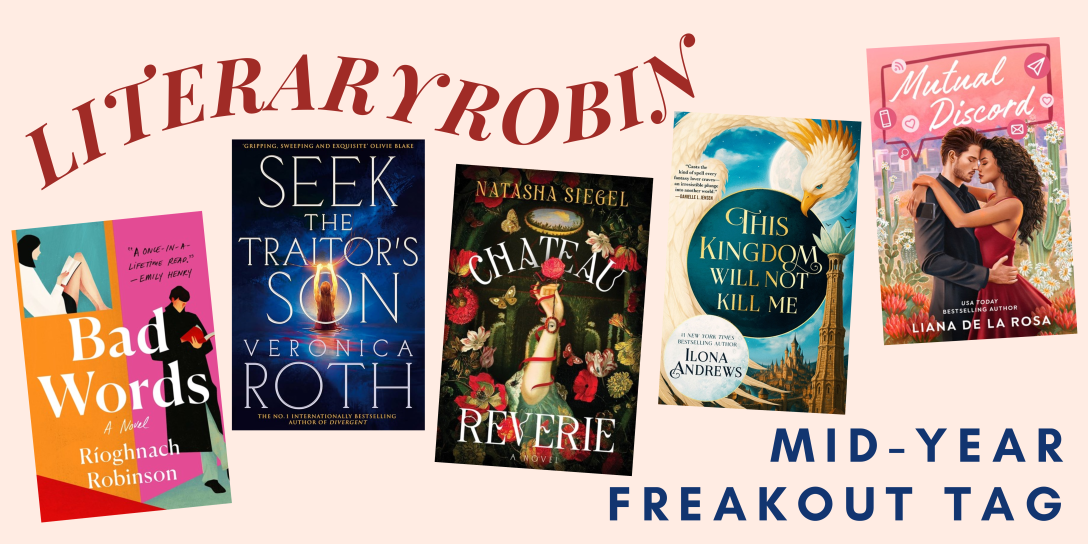
It feels like just yesterday that I was unveiling my mid-year freakout for 2025 and in all that time an entire year has passed. I am certainly not who I was before reading the two hundred or so books I have since then, so here we are back again to address my new picks for 2026. For the newbies around here, the Mid-Year Freakout Tag is like my Oscars, but for books. I get overly invested in nailing down the choices that I may go *slightly* insane, but well worth it for the chance to sort things into categories and lists. It feels like every year is getting more and more difficult—as my favorite author’s appear determined to outdo themselves. This year has been chock full of some truly phenomenal debuts as well that the choosing was not at all easy. I suppose I can thank my job for keeping me from reading as much as I read last year. Read on for my predictions for my top book of the year, the best sequel, books that made me cry, and more!
BEST BOOK OF 2026
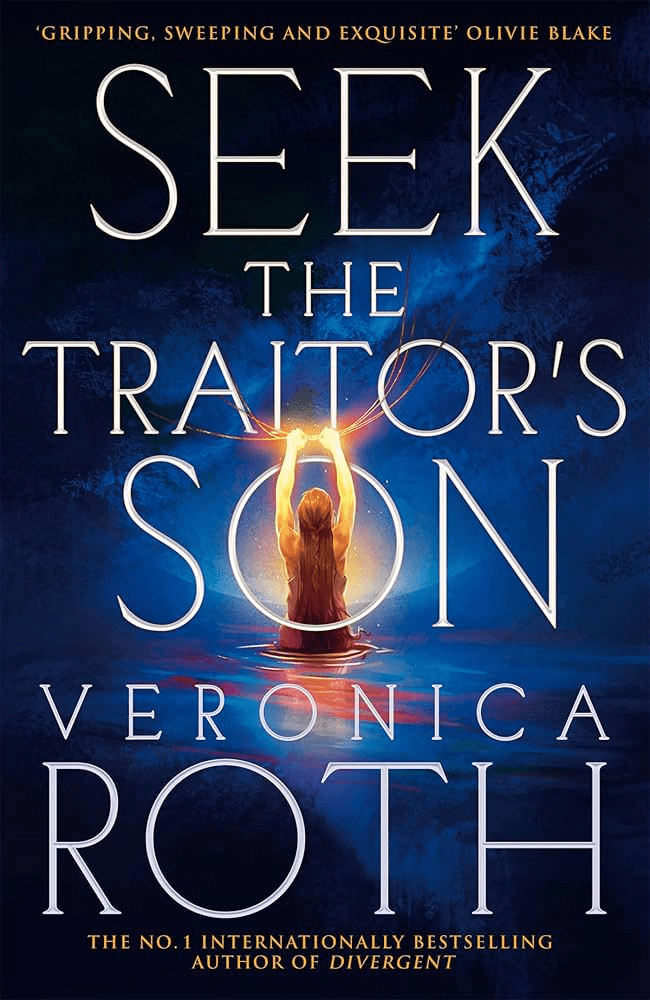
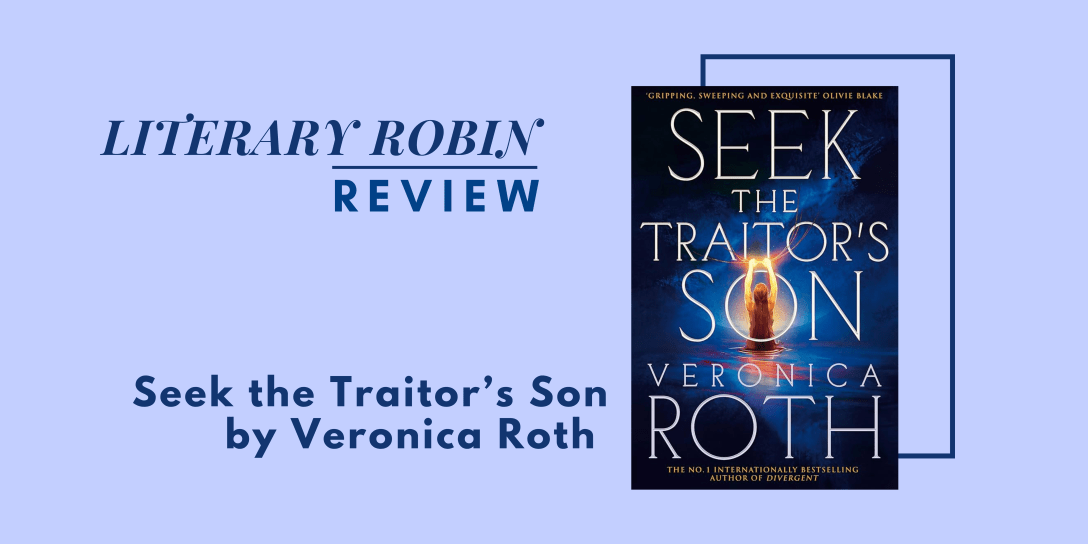
Everyone in my life is either begging for me to shut up about this book or saying exasperatedly “Robin, we know” whenever I come their way. But I am getting back on my soap box in case you are one of the few people who have yet to be held captive by my recommendation for Veronica Roth’s latest masterpiece, Seek the Traitor’s Son. Prophecy, fever, and fated love combine in a series debut that sees Roth once again taking the crown for dystopian fantasy. Tethering three characters across a futuristic earth where fever reigns, Roth brings us to an incident that changes everything: the day a prophecy is given to two individuals who will fight to take it. Seek the Traitor’s Son is a masterclass in the balancing act of the speculative genre. Roth brings together a unique blend of science fiction fantasy elements, dystopian, and romance, and the result is an unforgettable speculative epic the like of which I have not seen in years. Throw in my absolute favorite: a deeply tormented man and a reluctant heroine and this could not have been more for me. Don’t let the fact that Roth is releasing another book this year fool you, this is the one to watch, the one that reflects her continued rise within the fantasy genre. You can read my full review here.
BEST SEQUEL OF 2026
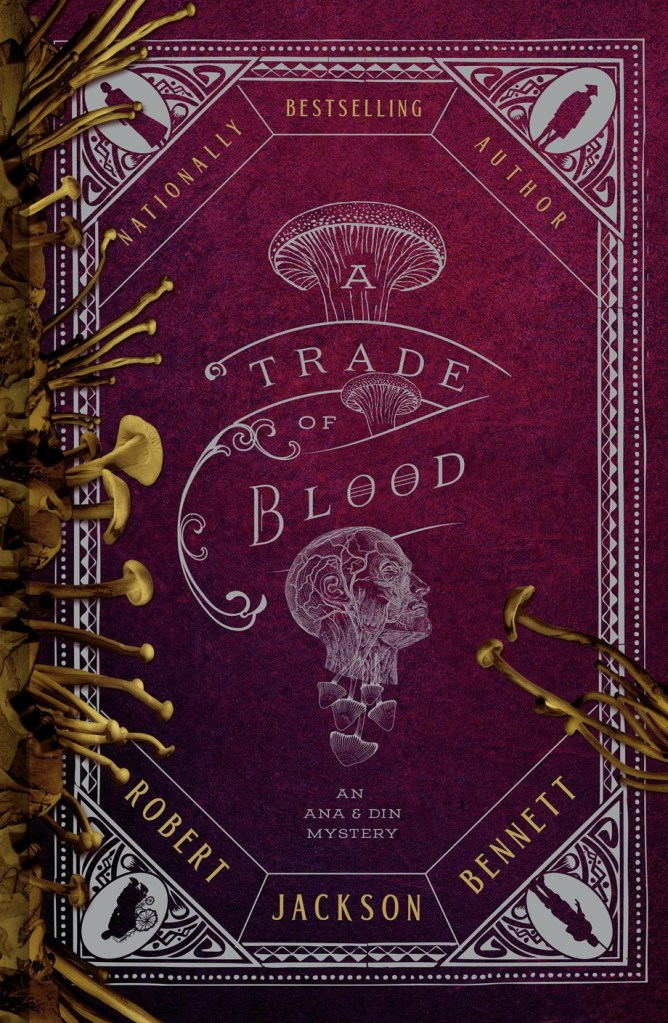
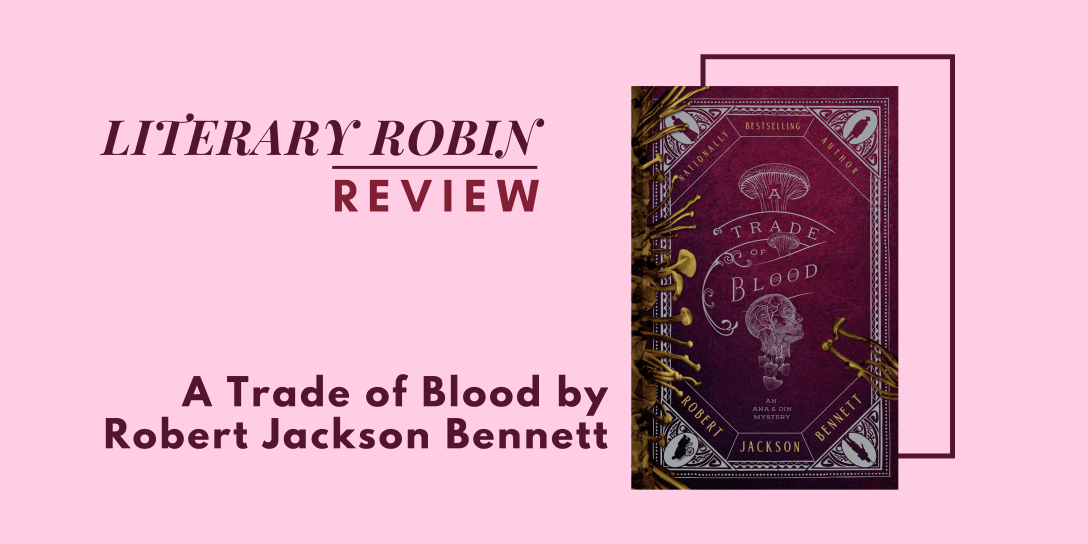
The best sequel in the house for 2026 is also the book that had me the most squeamish, Robert Jackson Bennett’s, A Trade of Blood. Third in the series that began with The Tainted Cup, this installment sees our favorite investigative duo called out to a far away canton to stop the bloodshed between two rival families. What they discover is a gruesome scene and a murderer who is willing to set the canton alight in blood to settle the score. Now everyone knows the love I have for Dinios Kol, disaster bisexual and general chaotic presence, and Ana Dolabra, a peculiar investigator and confounding personality. Robert Jackson Bennett has created two of the most endearing, frustrating, delightful (all of the above) characters who are only getting better with every passing mystery. Bennett always has a handle on his themes and what he is exploring within the confines of the mystery and this time it is the cattle industry. Why we hunger and what for are two of the lodestones for this mystery and the path Bennettt carves to answer them will leave you shaken. Rest assured A Trade of Blood is only further proof that Bennett is at the helm of the best in fantasy right now. That and Din and Ana continue to delight and the mysteries are only getting better—and bloodier—from here. Read my full review.
NEW RELEASE I HAVE YET TO READ
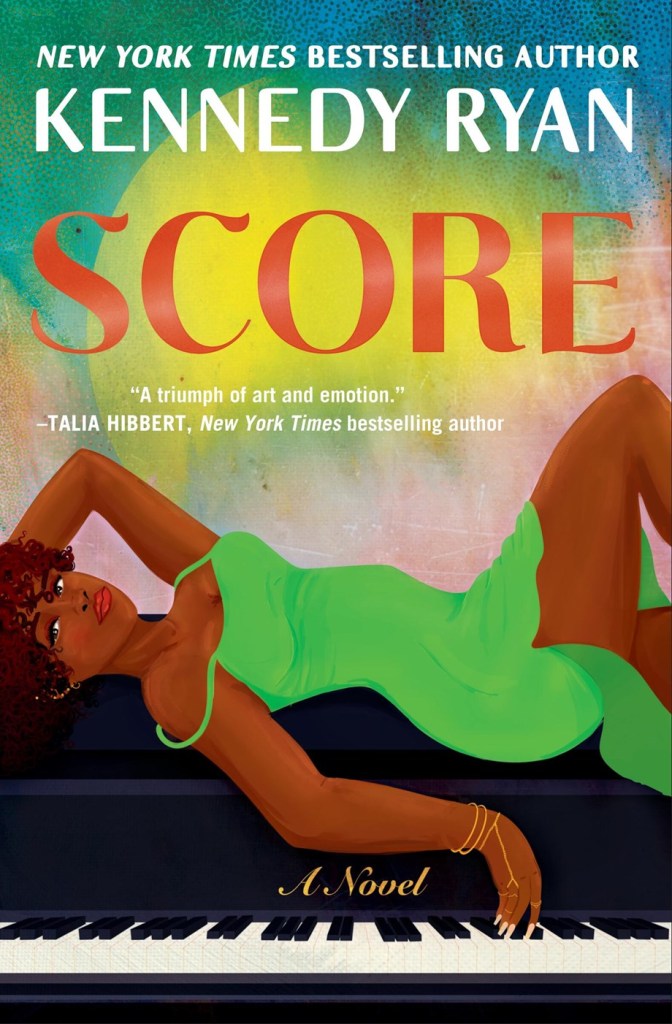
So funny thing about this one is I started it a few months ago and put it down one day and just completely forgot to pick it back up. I’m not unique in thinking Kennedy Ryan is one of the most talented writers in the romance genre right now. I and hundreds of others were frothing at the mouth for her next contemporary romance, Score. Score plots the second chance love story between a screenwriter and musician whose decade ago romance failed epically and left them both scarred. Brought back together to work on a Harlem Renaissance Biopic, Monk and Verity are drawn into close quarters where they fight the feelings that never left and test whether time indeed heals all wounds. From what I have read so far this book is delicious, a gorgeous second chance romance that is unafraid in depicting the realities of life and love and where the two are in conflict. I love the queer representation from Kennedy in Verity, whose bisexuality is a large part of the opening section of the novel as she experiments with her sexuality and desires. It’s frank and just really refreshing to see laid bare so honestly. Maybe it’s cheating since I already started this, but this is one recently released book I am planning on getting back to as soon as possible.
MOST EXCITED FOR IN SECOND HALF OF 2026
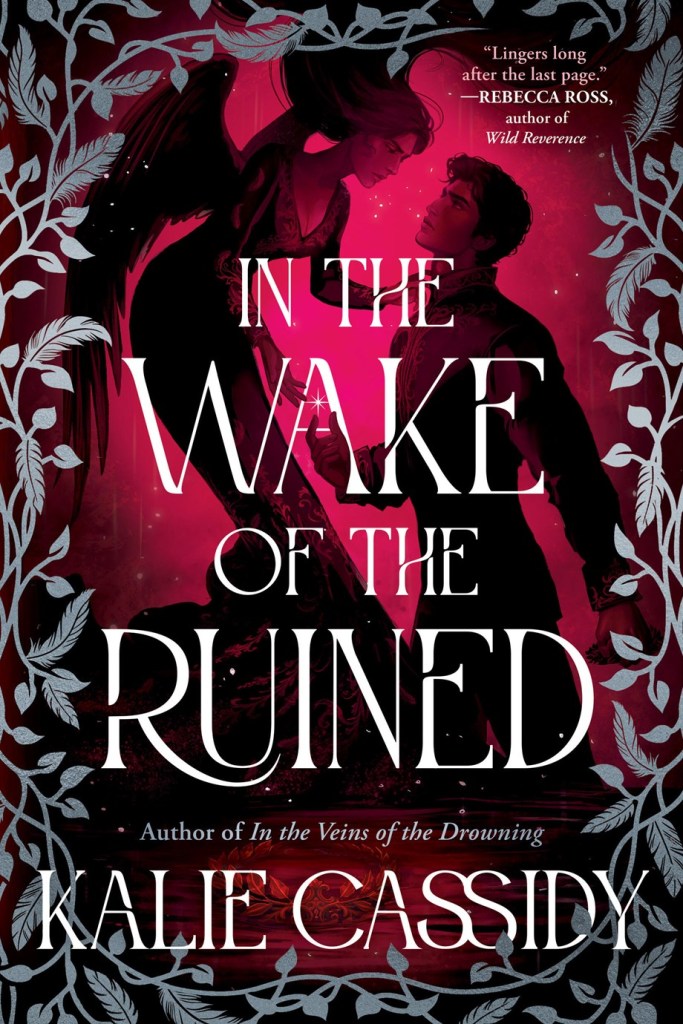
When it came to yearning books of the last year, Kalie Cassidy’s, In The Veins of the Drowning was at the top of my list. A romantasy debut that follows a siren on a mission to claim her freedom by binding herself to a king, this book introduced me to a new favorite couple and author all in the same breath. Look no further for a series that expertly balances the plot, romance, and character work. As a fan of both plot and characters this book kept me endlessly fed (just like Eusia *wink* *wink*). Between duty bound Theo of Varya and the impassioned siren Imogen Nel the character work in this duology is astounding. Cassidy’s background in theatre and her continued enjoyment of historical romances is evident in the contrast between her characters and the yearning that develops. The tension is in the unsaid, in the conversations that are rife with misunderstanding. These two clash, they retreat, and come back ready to do the whole thing all over again while realizing that they are in fact more to each other. I really appreciate Cassidy’s commitment to drawing out the conflict, to continue testing the resolve of Theo and Imogen both. While I have had the immense privilege to read an early version of the second book, I am still most looking forward to In the Wake of the Ruined releasing July 7th. The entire book had me on edge and the ending had me sinking to the floor (in a good way). Review coming soon but in the meantime preorder here.
BOOK THAT SURPRISED ME
Natasha Siegel wrote one of my favorite books of 2025, As Many Souls as Stars and then she turned right around and wrote my next favorite with her upcoming novel. How far would we go to achieve our hearts desire? That’s what Siegel’s latest, Chateau Reverie asks in earnest. A young woman wishing to forget the death of her companion, and a young man desiring his liberation are extended invitations to the mysterious Chateau Reverie where as the invitation details, they could achieve their greatest desires. Once at the Auction of Secrets they are held captive by a larger power that will not rest until all but one stands the winner. As Leander and Genevieve fight to secure their futures, they face a love that could spell both of them their doom, or bring one of them to happiness and the other forever to ruin. With a premise like that it’s hard not to immediately drop everything to read Chateau Reverie and when I did, it came as no complete shock that I loved it. Even so, this one still managed to surprise me—as much of Siegel’s novels often do. One reason why Siegel’s works have resonated so much is that she always seems to be standing on the beat of humanity, what makes us tick and why we are driven to do certain things. This was certainly true to her last novel and it echoes in this one. This is essential to Chateau Reverie, especially to the romance that evolves between its two main characters. Now I’m not often one for a romance condensed into such a short period of time, but Genevieve and Leander completely had me swayed. It’s got to be Siegel’s extreme powers for yearning because I am apprehensive and still she manages to get me by the second or third page. I’ll be summarizing my thoughts in a review soon, but the twist in this one is completely magnificent and still has me in shock. Surprising indeed!
NEW FAVORITE AUTHOR
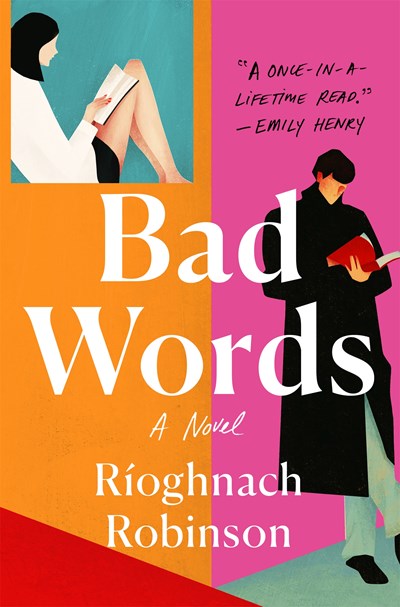
If I were to point to the romance novel of the year it would be Ríoghnach Robinson’s forthcoming romance Bad Words. Everyone who ever heard me say I don’t believe in enemies to lovers in a contemporary romance setting has seen me proven wrong since reading this novel. When a renowned book critic and a novelist come to blows after a bad review, the interaction is filmed without their knowledge, leading to a viral feud that spirals out of control. As the two spark a larger conflict online, the necessity of literary criticism and journalistic integrity are called into question—the bad words underpinning the good in the wider literary ecosystem. Drawn into conversation again and again, Parker and Selina slowly realize: sometime’s the person that knows you best is the person that has known you at your worst. And the person that saw you at your worst up and wrote a bad review about it. What’s so fun about a novel so deeply entrenched in the publishing industry and the foundations of literary criticism is that I read this truly disbelieving how Robinson could pull off the romance between author and critic. And how I love being wrong. The viral feud between author Parker Navarro and critic Selina Chan has widespread implications for the entirety of the novel, the elephant in the room as they slowly start to fall in love with each other. One can almost feel the tension radiating off of the page as Parker and Selina frantically rage back and forth on twitter, to even the quieter moments across their email correspondence. Being proven wrong has never felt so right and this book is evidence of that entirely. My full review
NEWEST FICTIONAL CRUSH
Am I talking about Emma M. Lion, Young Hawkes, Islington, or Niall Pierce? The answer is clearly all four. Now I know everyone and their mother is reading The Unselected Journals of Emma M. Lion right now. For those of you uneducated, this epistolary historical fiction series follows the elusive return of one Emma M. Lion to London after many years away to secure her inheritance and residence at Lapis Lazuli House. Foiled by her eccentric cousin who has spent the bulk of her inheritance, Emma will have to resort to unconventional means to remain in London. Including but not limited to: lying about having a chaperone to one’s demanding aunt, establishing a new tenant (a photographer no less) in residence, rejecting numerous proposals from one Charles Goddard, participating in the neighborhood scavenger hunt, exchanging favors with a nuisance, and so much more. One thing about these volumes, they suck you in until you come to having read all eight of them. I already had this series on recommendation from my dear friends Tara and Jeanne so I knew they were going to be a hit from the get go. Yet still I was not prepared for how charming these ended up being. I even went so far as to purchase each volume in hardback so you know it’s serious. Beth Brower is responsible for four new fictional crushes (and don’t make me choose between them please).
FAVORITE FICTIONAL COUPLE
Voidwalker by S.A Maclean was a dark fantasy gem I uncovered in the depths of the London spring. After a voidwalking smuggler named Fionamara accidentally gets roped into a coup, she ousts the ruling member of their winter territory, Antal. Antal is one of the Daeyari: creatures that originated in the void who consume human flesh to survive. Without a true plan, all that’s left is to team up with the cannibal monster to set the government to rights, or fail together (and isn’t that romantic). Now there is a lot going on in this premise but just trust me in that it is one of the best fantasy romances of the last year. If you like your relationships freak for freak or where they are both pathetic (affectionate) then the Beasts of the Void duology is most assuredly for you. The sequel was high up on my list of most anticipated reads for this year and I was thrilled to be back with my beloveds Fi and Antal. Sunsplitter asks what else there is to confront after successfully toppling the government and falling in love with a cannibal??? Daddy issues. This sequel sees Maclean deepen her themes, her character work, to test the bond between human and Daeyari. Lots of angst and tension ahead babyyyyyyy (and you know that is my favorite flavor of romance). Fi and Antal continue to take the crown for favorite fictional couple. They are just too good and no one else should even try.
NEWEST FAVORITE CHARACTER
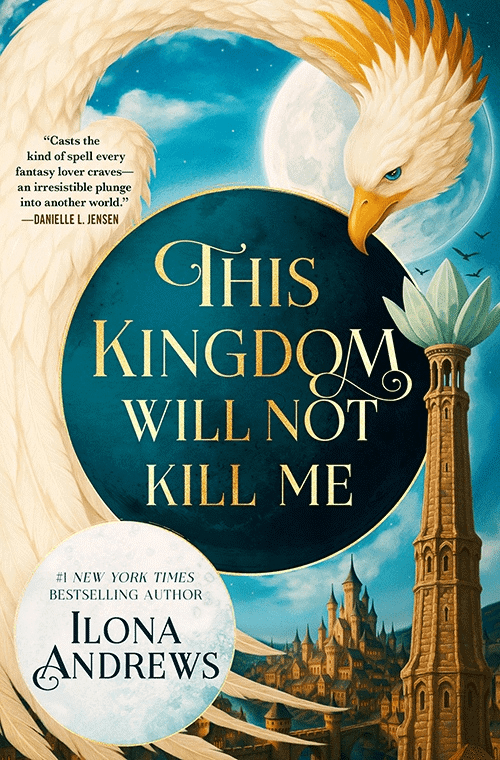
My first Ilona Andrews? As a longtime fantasy reader this feels like a sin to admit but I am so happy to have found a new favorite author, character, and series in just one read. For the portal fantasy fans out there, This Kingdom Will Not Kill Me is all about waking up in your favorite fantasy novel and fighting like hell to survive. Who amongst us wouldn’t leap at the chance to try this? And who among us would actually succeed. Well if you don’t know the currency conversion of your favorite series you might just not. Fortunately our protagonist Maggie has a memory like a steel trap and remembers almost everything from her favorite dark fantasy series. After waking up in Kair Toren, a city she has yearned to venture into, Maggie soon knows she will not survive if she doesn’t quickly get scrappy. She robs a character she knows carries wealth and uses information about the plot™ to ally herself with a tortured byronic hero to acquire security. Maggie is everything I love about complex, layered heroines. She knows her worth, stands by her principles, and is unafraid to tell it like it is. Also clever to the extreme (I’m serious). Of course she’s not perfect or it would make for a most boring narrative, but her sharp wit and quick thinking make for a vastly entertaining read. I’ve got to hand it to the writing duo that is Ilona Andrews: this is how you write fantasy and female characters.
PRETTIEST BOOK BOUGHT
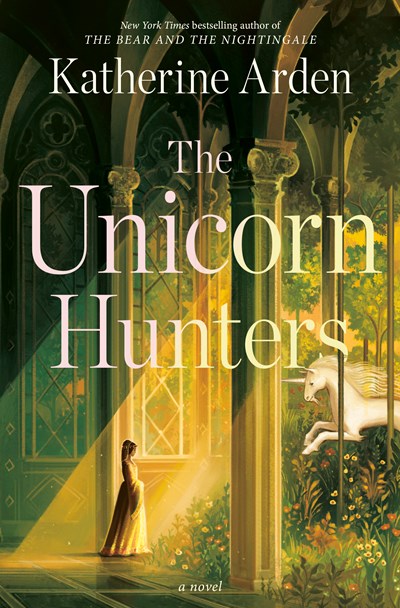
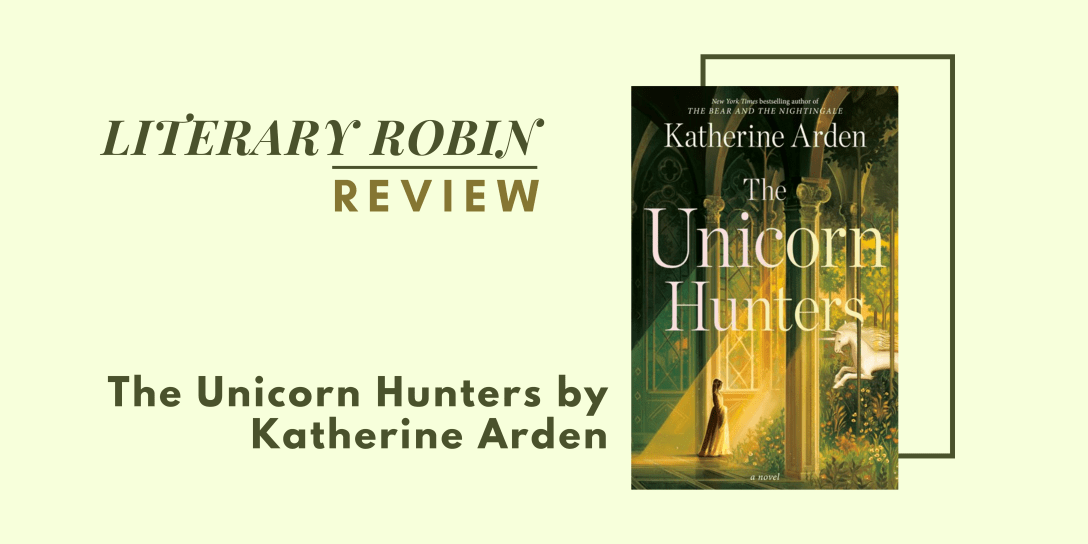
If you are reading this and you are a coworker of mine you know this is in fact on the holds shelf (but it’s the thought that counts). I am always singing endless praise to the historical fantasy powerhouse that is Katherine Arden. Her work invigorated my love of both genres and the possibilities in melding the two. The Winternight Trilogy is one of my favorite all time works of fiction and her latest, The Unicorn Hunters, is another stunning meld of fiction and fantasy. Not without a kernel of romance either! How to paint a picture for this hardback other than it has tapestry endpapers and a silver foiling on the naked cover. Truly a gorgeous edition that is representative of the contents of the book within. Want more reason to pick this one up? Read my review.
BOOK THAT MADE ME CRY
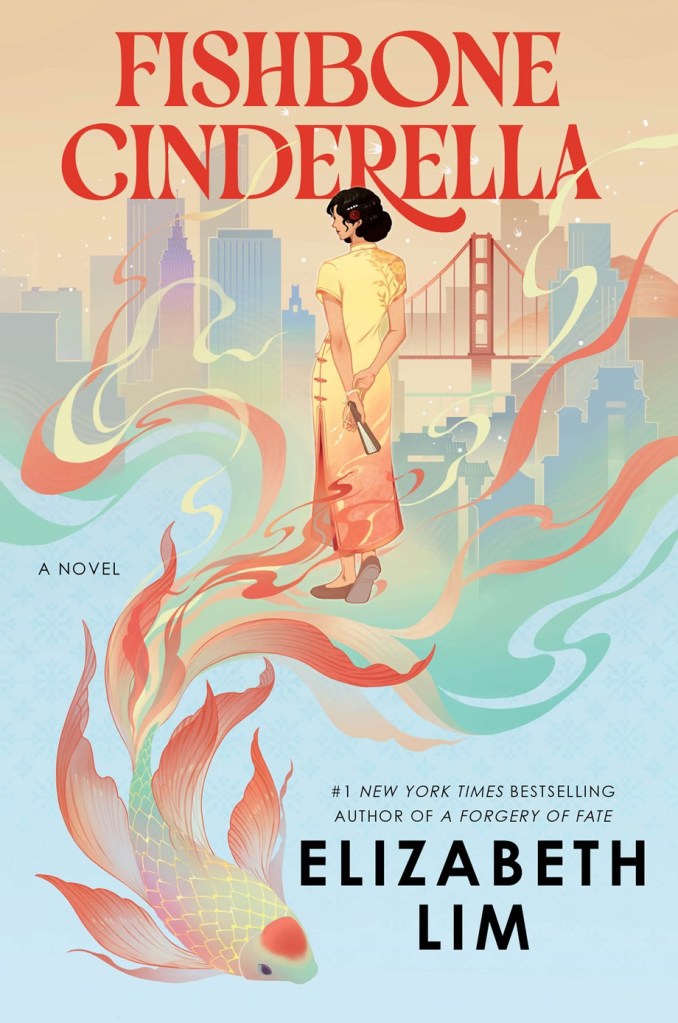
I am not the kind of reader who cries often, so when a book guts me to my core or has me close to tears I know it is flawless. Elizabeth Lim’s upcoming historical fantasy adult debut, Fishbone Cinderella did that for me. A generational saga and cinderella story following a family of women with strange abilities who are torn apart by war and circumstance, Fishbone Cinderella tests familial bonds and the cost of generational wounds. Across 1940’s Hong Kong and San Fransisco in the 1960’s, we follow mother and daughter both as they face the consequences of trauma, their choices, and their respective gifts. Lim is the master at the fantasy narrative and while this one is firmly placed within our world, it still has that speculative gleam to it. Magic here is viewed as a curse, yet one perfectly aligned with situation: to disappear in the face of those who wish you harm and to know by touch the memories of those around you. Lim understands how to utilize the speculative to inform her characters and get after themes and situation. Fishbone Cinderella is a heartrending portrait of mother’s and daughters, the pain we bury, and the lengths one must go to reconcile the past. If you’ve read this you’ll understand how moving the final scenes were. Sheer perfection.
BOOK THAT MADE ME HAPPY
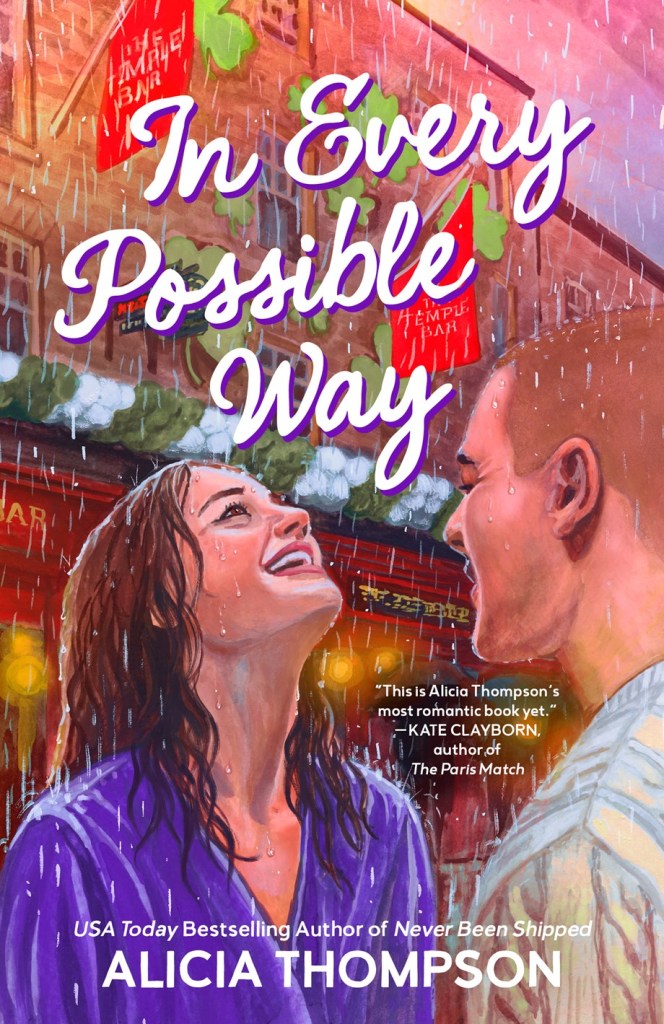
How to explain Alicia Thompson’s latest other than its for the Leap Year and While You Were Sleeping lovers. As that is me two and two this was the perfect romance. Waking up on the lawn of the brother to your horrible date of the previous evening (after telling him you’d rather be on a date with his brother) is one hell of a coincidence. That lawn also happens to be in Ireland thousand of miles from where you were last night. No Money, no passport, no anything, protagonist Jess must figure out how to get home and unfortunately Eamonn is her only shot. He begrudgingly agrees to help her and the rest is romance history. In Every Possible Way is a contemporary romance that pushes the line of the possible and I am endlessly grateful for it. Because everyone yearns to be squired around Ireland by a hot mechanic while basking in all of life’s possibilities. Who even cares how you got there? I was simply along for the ride. In Every Possible Way is a romance that made me feel all the things, but the emotion I felt most of all was happiness. Alicia Thompson’s latest is there to remind us that we’re allowed to have it all even if we have to risk it.
BOOK TO READ BEFORE END OF 2026
Liana De la Rosa what cant you do? Taking a detour from the historical romance for which she is best known, Liana De la Rosa is serving up a forbidden friends to lovers romance this summer with Mutual Discord, out this August. As I am altogether familiar with Liana’s game I know this is going to be EPIC and it is the romance I will be getting to before the end of this year. Following an influencer whose virtual friendship with a mysterious “A” is revealed to be the partner of an old friend, Mutual Discord promises the mess, the romance, and the heat together in one novel. If there is one thing I trust implicitly, it’s historical romance writers breaking into the contemporary space. I know Liana is going to nail the tension, the yearning, and the conflict right on the head. She did after all completely sweep me away with her Luna Sisters trilogy (which comprised all three). I definitely want to extend support to my favorite writers who are taking different avenues as publishing shifts and Mutual Discord is up next for me.
Please note this review contains references to some of the events in thisnovel. No overt spoilers, but please read with caution.
⭐⭐⭐⭐⭐
Rating: 5 out of 5.
When Elegy Ahn, spare to the Sword of Cedre, is brought to neutral territory to consult with the great augurs, she does not expect to be handed a prophecy that could determine the fate of her nation. A soldier of Cedre, Elegy has spent her life holding back her country’s sworn enemy: the Talusar—an empire that embraces a fever that has brought nothing but death and strange abilities for those who are reborn. Set to receive this prophecy, Elegy is surprised to learn that the augurs are divided and the prophecy could instead belong to Rava Vidar, the Butcher of Calgara, and grand-niece to the emperor of Talusar—one who has also been brought to hear this foretelling. Elegy learns this outcome hinges on three: one who bears the Vidari name, someone who has tasted Cenobium salt, and a person she is doomed to love, one who will bring about her death. Sworn in as the Hope of Cedre, Elegy is now in need of protection and is granted a Knight. That man is Theren Forint and all he has ever known is his charge, to protect the Sword or die. To determine the outcome of the prophecy, one must control the three points of the pyramid, but when fate is placed into the hands of the prophecy bearers the only thing ensured is that there can be one victor. Elegy is determined to embrace her destiny and secure Cedre’s triumph, even if that victory spells her death.
I would say “Veronica Roth I didnt know your game” but that would be a lie because I expected nothing less than this. For anyone who has kept a close following on Veronica Roth’s career, Seek the Traitor’s Son marks both a return and a prophecy fulfilled. A return to her superb meld of science fiction fantasy set within a world that is most certainly our own—be it in the far distant future, and a dystopian fantasy epic that takes incredible risks to craft and accomplish something earth shattering. Seek the Traitor’s Son is the kind of novel that defies definition. It feels a bit Dune, a bit TheExpanse, but where it takes form is something original and utterly Veronica Roth. In Seek the Traitor’s Son a prophecy emerges in an earth ruled by fever, and two competing nations fight to control the fulcrum: the trio through which the outcome of the prophecy relies. A soldier bound to her lineage, an oath sworn knight forced to serve, and an inquisitive scout are tethered against the prophecy that could doom their world or reveal its triumph. This could not be more Veronica Roth: complete with a deeply tormented man and a romance that made me want to be sent to the seaside to recover my health. A planet transformed, fantasy and science fiction leanings, fatal fevers, and fated romance each find place in this dystopian marvel. Seek the Traitor’s Son is the kind of life altering dystopian-fantasy that quietly takes hold, building its roots to a fierce power that cannot be rivaled. To read this is to emerge reborn, a resurrection of its own.
Seek the Traitor’s Son is without a doubt Veronica Roth’s best work to date. She honed her craft in the crucible of Divergent, her characters and dynamics in the Curse Bearer verse, and now we get to bask in the overwhelming light that is this work of fiction. No matter where you are in your Veronica Roth journey, she’s always been there sharpening the blade and here is where you must fall. Seek the Traitor’s Son offers something unique to every fantasy lover, but as a reader who loves deep character work that utilizes plot as the vehicle for change and challenge, this book is a beacon. Seek the Traitor’s Son unites three perspectives: Elegy, the Hope of Cedre, Theren Forint, an exile forced into knighthood, and Hela, a transplanted Talusar scout. Roth instills a foreboding air, an understanding that these three will be shaped by the events of prophecy and reaction. This is first realized twofold as Elegy faces a prophecy that brings nothing but death, and Theren is transformed in the wake of betrayal and suffering. Seek the Traitor’s Son is not overburdened in any regard, finding balance in moments of stark feeling and levity. When Elegy and Theren are not building up angst city brick by brick, Hela is out there Fox Mulder-ing with a side of plant hallucination. Roth is sure to ground her novel in every facet of humanity. Be that bloody, humorous, or hopeful, Roth embraces it all.
Now I know I have a specific type of character when I see one and go: onto the collection you go. See here: man burdened by guilt and torment (Theren), and woman burdened by prophecy and a tremendous desire to bring about change (Elegy). What to say about Theren Forint other than wowwww you survived all that? Because this man is so tormented. His byline: The knight who forsook his oath to you just had the worst four years of his LIFE. Slash: If he’s your oath sworn knight then why is he in MY gladiator arena. But seriously, I am here for characters profoundly impacted by a single event which altered the course of their life, who come out the other side a shadow of their former self. They’re not doomed by the narrative, they’re haunting the narrative they were doomed by (and just maybe clawing it back). If Theren is the stoic character on a quest for redemption, then Elegy, our reluctant hero of prophecy, is that dose of heady spirit. She’s not about to let Cedre fall even after a self exile, and she needs little determination to mount a rescue of a man who forsook her four years ago. Despite their differing motivations, Theren and Elegy are evenly matched in their call to action, harmonic in how they embrace their destinies and hold to each other. It’s not a joint recklessness, it’s an inherent belief that they can rely on the other. And as that has already been tested there is nothing more magnetic than such mutual trust.
Romance between Elegy and Theren is inevitable. It is after all fated by the Augurs, by prophecy itself. But what does fate compare to the past Elegy and Theren surmount to choose each other again and again. Love is an essential cornerstone for Roth—the love that perseveres even after death, the love that limits because it is flawed, and the love that restores you even when you thought yourself broken. Like all things in this novel, the romance creeps in like a fever. Ironic since it was written down from the start, but Roth plants a seed of doubt: whether Elegy and Theren are going to be able to move past the events which first separated them. United in their respective grief, tragedy is almost a union of its own. The moments of grief and betrayal become these cornerstones for Roth to build to her larger character studies and core themes. It’s some of the most delicious character writing I’ve read and it sets up the romance to be that invigorating blend of angst and softness. Elegy and Theren are being tested by a prophecy that could destroy the world—a classic—but they still manage to have grace for each other. The tenderness through which one character cleans the others wounds and the other shows up ready to rescue them having committed horrific acts of bloodshed? PEAK. Elegy and Theren are my favorite niche blend of curiosity at first glance and knight x the shielded. I don’t need to know what it’s like to be infected with the fever when they exist.
On a craft level, it’s undeniable how every part of Seek the Traitor’s Son was carefully chosen and poured over. Narrative structure is where this novel tethers itself to a specific path to character interiority. It’s as simple as how information is conveyed and when. Roth offers glimpses into the past not to just inform our understanding of certain characters but to provide insight into the part of their story to which we already know the end. Like a stone skipped over water Veronica Roth momentarily strikes down on the past, offering glimpses into events we have never seen in the shadow of their end. These events hold a greater weight not only because we know how they have concluded, but the tragedy in witnessing them come to pass, in knowing and still bearing witness. These shifts backward strike like a knife, there’s a helplessness in their telling. It’s masterful how Roth wields narrative like a blade, a two sided assault from the plot and her use of past and present. Memory is power, not just for those that can view the past in retrospect. Memories are needed for our trio to reveal the three points of prophecy, a fulcrum constantly reshaping.
It’s fitting how the most iconic voice in the dystopian genre has returned with the best dystopia and book of the year….*whispers* or is it prophecy? When the world needed her most she vanished, wrote an amazing urban fantasy novella series set in Chicago that said be gay do crimes (amidst many other novels), and then wrote this masterpiece. Seek the Traitor’s Son has a gravity that pulls one down into fever, betrayal, and exile. Veronica Roth sharpens her blade and cunning in her science-fantasy epic across a fever ravaged earth that presents a stark look at autonomy and sacrifice. Characters Elegy, Theren, and Hela face the perilous nature of prophecy and the politics in untangling its meaning and the strange communications with forces beyond the known universe. We are never in better hands than we are with Veronica Roth, someone who deep down understands the power in embracing destiny, in choosing resistance even if it means walking down a path you never wanted. Experience the particular agony in not knowing if everything is predetermined for these characters. Seek the Traitor’s Son knows there is always time for angst, even at the end of the world (and pre destiny is certainly part of that). Seek the Traitor’s Son blends fantasy with science fiction and the resulting magnitude is certainly akin to a fever. There are few places I would not venture for Veronica Roth so loving this is just all the more vindicating. In Veronica Roth I have never wavered and in her—and in The Burning Empire duology— I will forever trust.
Thank you to Edelweiss and the publisher for providing me an advance review copy.
Trigger warnings: death, war, torture, murder, emotional abuse, physical abuse, sexual assault
Please note this review contains spoilers for the former book in this series, The Tainted Cup and A Drop of Corruption, and contains references to some of the events in this sequel. Read with caution.
⭐⭐⭐⭐⭐
Rating: 5 out of 5.
Far beyond the boundaries of the sea and the ever constant threat of Leviathans lies the canton of Sapirdad. Responsible for feeding the wealth of the empire, it has become the setting for a brutal slaying. An heir to one of its leading families has just been murdered, gruesomely slain by the son of their family’s greatest rival. As the presumed killer insists upon his innocence in committing the crime, all out bloodshed between two rival families appears inevitable. Hoping cooler heads prevail but wishing to prevent further violence, a group is dispatched to investigate the scene: Detective Ana Dolabra and her assistant Dinios Kol. Arriving at the Canton in the midst of upheaval, they soon discover that the suspect is indeed innocent of the crime, guilty of nothing but being handed the butcher’s weapon. Someone hides behind the scenes playing the puppet master, controlling the actions of others through means unheard of in the human populace. Discovering how this web was expanded into the canton is up to Din and Ana who must grasp at all the facts as more murders bloom. The answers lie in the fraught past of the canton—one all too familiar with unexplainable deaths and bloodshed. In a canton built upon blood and suffering it is these unexplained killings that could spell its end, and upheaval for the entire empire.
A canton of blood grapples with buckets of it in Robert Jackson Bennett’s latest fantasy mystery medley, A Trade of Blood. Inspector duo Ana Dolabra and her chronically exhausted and disastrous assistant Dinios Kol are back for a third installment in the genre spanning, far too addictive Shadow of the Leviathan series. Another case with far reaching implications to plague main character Dinios Kol and rewrite our existing understanding of the Khanum empire. It all starts with an impossible murder (and doesn’t it always): a locked room where two lovers meet, one of whom murders the other with no true memory of having committed the act. This is where Bennett thrives, in the boundaries of the improbable which he utilizes to build out his greater exploration into the cattle industry and the systems put in place to uphold an empire’s insatiable hungers. Aforementioned disaster character Din stands at the forefront of this investigation, facing new challenges. Din’s greatest torments in A Trade of Blood include: family trauma, having to cart heavy musical instruments around for his boss, another biological phenomenon wreaking havoc, and most notably himself. For Bennett’s A Trade of Blood it all comes down to hunger and the lengths one will go to see them realized. Din and Ana will have to face the web winding beneath the canton of Sapirdad and the past violences which bleed eternally into its present.
A Trade of Blood brings a new side to the empire of Khanum, one where the blood spilled is immeasurable and more than one family has succumbed to the overwhelming allure of power. It’s up to our favorite investigators to view the gruesome scene and turn the tide in a canton of blood and intense rivalry. Across the Shadow of the Leviathan series, Robert Jackson Bennett has interrogated the unique facets of the Khanum empire and the people living within its bounds. In A Trade of Blood he turns his attentions to the livestock industry and its foundations set deep within the land. This installment is all about hunger, the appetites whetted and never satiated, and those fed eternally all for the sake of desire. The cattle industry is one of wealth and of slaughter, a carrion feed for two rival families—the vultures—to scrap over. Yet Bennett understands it is human nature upholding this industry, a specific craving that birthed its existence—one that forever sustains it. As always there is the undercurrent of magic to this world, the augmented and the biological transformations in the wake of leviathans still very much in play. Bennett brings us into the fold of the Orbiis, those enhanced to maintain the empire’s agriculture, as he builds out his central mystery. Between the family rivals, forgotten history, puppetry, and blood this third novel shapes a monumental look upon hunger and the price of wielding the blade in service of vicious appetites.
A Trade of Blood furthers an ongoing inquiry into personhood and the systems of power which strain all that we are. Din bears the brunt of this and it is through him that Bennett’s greater plot is realized. If A Drop of Corruption centered upon Din’s exhaustion with the work of uprooting a seemingly never ending corruption, then this book was about Din finding a work life balance that he desperately needed. Thrilled for him actually. This third installment sees Din and Ana at their strongest. Don’t get me wrong, Dinios is still confronting the demons of this empire with a strong “why me” energy, but albeit with a smidgeon of less cynicism. In A Trade of Blood Bennett does a tremendous job in disentangling the human cost of industry and of empire. Just as the victims of the guiding web are lulled into a dream where they commit horrific acts, Din hears voices of his own—the beginnings of the true cost of his gift: his life. A Trade of Blood is certainly concerned with the blood spilled within this canton, but on a far greater level how we trade our lives to industry and what we give up to gain a foothold, a semblance of power within it. For the livestock industry is not one of necessity, but of craving, and calls for a human offering. In the canton which upholds the foundations of this industry, one is merely a good to be swallowed up within the yawn of the empire, furthering its own ends.
Robert Jackson Bennett drives the nail ever deeper in A Trade of Blood, a third installment rife with blood—yes, but hunger, rivalry, and above all, power. In his third Shadow of the Leviathan novel, Bennett further demonstrates that he has grounded this world in the fabric of our present, an ever haunting cloak cast upon the empire of Khanum. The canton of Sapirdad is an apt resting place for Khanum’s past, one it will do anything to keep from the light, but it is the cattle industry that becomes a larger testament to its history and the bloodshed seeping through its pores. Bennett cleverly sharpens his knife from the start, setting his stage with two families at odds and Dinios Kol and Ana Dolabra on the case of a bloody crime. The case is no mere revenge killing however, and unveils a pain that lies much deeper—literally—as the tool used against the laborers of the past festers deep within the land, never slumbering. What I love so much about these mysteries is Bennett’s hold on his themes and the nuance in displaying the various facets unreservedly. Mark this as another appreciation for authors’ notes because Bennett’s afterword offers a wealth of insight into his findings and the basis for much of this novel. Unparalleled and certainly without rival (of the unbloody kind), A Trade of Blood belongs within its own realm of fantasy excellence. I will always be craving more from Bennett. Wit, improbable murders, and humorous repartee between a disaster bisexual and his employer who spends most of her time willingly confined in a closet. In that exact order.
Thank you to Edelweiss and the publisher for providing me with am advance review copy.
Trigger warnings: death, blood, murder, suicide, body horror
Anne of Brittany has long dreaded her marriage. Since the invasion of France spelled the death of her father, she has accepted the life of a duchess with grace, knowing full well her lands and her body will not remain hers for long. France means to marry her to their king to secure Brittany, but in secret Anne plots an alliance to Maximilien of Austria, the king’s greatest rival. Secrets are not long harbored, not when every court has diviners to glean information from the opposition. Anne’s only saving grace is the forest of Brocéliande, a wood long thought to be enchanted which could offer protection from prying eyes. Desperate and willing to lie to secure her future, Anne presents a ploy: they will tell France they hope to hunt a unicorn. Something which requires Anne to be unmarried. While on the hunt she will wed Maximilien by proxy and none will be the wiser. When the hunt reveals a real unicorn and a stranger returned out of time, Anne soon comes to know magic is real, but as her ploy has been successful it is of little consequence. Lies begin to have a cost and as Anne grapples to control the narrative against a power hungry France, hiding the truth to magic becomes impossible. For magic is real, and it wants her.
In The Unicorn Hunters, historical meets the fantastical with France on the edge of obtaining Brittany and the magical forest of Brocéliande bringing magic and memory to the verge. Katherine Arden goes beyond the expected in her latest novel to show how the best parts of fantasy include history retold. Through her focus on Anne of Brittany, a woman placed into a singular narrative, Arden recontextualizes the life of the duchess, one where her cleverness finds resonance in the magic of a lost city and a forest of secrets. Most importantly, unicorns. There are unicorns. An elaborate lie built to retain control of Brittany leads to magic taking root within its borders, where portents, diviners, and courtly intrigue are at their height and vying for dominance. Swept away in a hunt for a unicorn and a lost world impressing itself upon a duchess, The Unicorn Hunters appeals to a magic just out of reach, but one that can be shaken out of sheer tenacity. Cunning women, delightful animal companions, and a strange otherworld all find a place within the confines of this audacious historical legend. The Unicorn Hunters is proof that Katherine Arden can do no wrong with her penchant for sweeping historical fantasy. That we need to have her spin on every kind of fairytale—and history for that matter.
Katherine Arden’s hold on history and memory crafts an extraordinary saga of a duchess’s quest to obtain freedom, for herself and for her kingdom. A saga that intersects an age old magic within a forest and forces beyond her greatest imaginings. The Unicorn Hunters threads an enlightening tapestry on fifteenth century Brittany down to the minutiae, even as Arden takes readers on a fantastical journey complete with sea-drakes and the iconic mythical figure of the unicorn. The Unicorn Hunters features some of my favorite writing from Arden. Think the atmospheric feel of the Winternight trilogy transplanted into the forests of Brocéliande during a period of turmoil. Katherine Arden frames an essential query here, a driving force for her to build out her tale. The Unicorn Hunters asks, if we aren’t first granted power can we access it by other means and thus change our fate? All that is central to the life of Anne of Brittany—duchess yes—but one relegated to a single fate: marriage and children in service of France. Breaking free spirals into a classic fairytale: the girl who catches the attention of the forces of magic. Not so typical, a quest to find the drowned city of Keris. A Katherine Arden novel would not be complete without persnickety family members, adopted children, and a delightful animal companion (named Butter no less). This story is wholly her own and yet something I’ve never seen from her before.
The Unicorn Hunters is another fabulous historical fantasy novel from one of my favorite writers within this space. Something quintessentially Katherine Arden in tone and humor, but new for its breadth of history. The Unicorn Hunters had me thrumming on the sheer possibility wound up within this distinct era. The fantastical feel of this novel does not just hinge on the unicorns and magic of it all, but on the time period itself. Beliefs and customs long past through which people dictated their entire lives are brought to life once more and they carry a weight that Arden uses to further her narrative. The place for women, land, and power are all grounding cornerstones within The Unicorn Hunters that provide an additional context and conflict. Yet for all of this it is really the characters who shape this story into pure magic. For Arden each perspective is rich and laden with details one cannot help but gorge themselves upon. Where history comes to life and the magic takes root. Here for Anne of Brittany’s elaborate web of lies. She should have more of them actually (as a treat). The Unicorn Hunters is history respun into legend. Where myths are made real and clever women take their rightful place at the forefront of such tales. Unicorns and devoted men kneeling at their feet.
Thank you to Edelweiss and the publisher for providing the advance review copy.
On the day her world drowned, Queen Coralys made a bargain. Desperate to save her kingdom of isles from their watery fate—one to which her husband had already succumbed, Coralys made a plea with their gods who at the last moment saved the islands for a price. In trade for her world restored, the gods strip Coralys of her queendom and order her to marry the first man who returns to the shore. Hoping for a prince or a duke, Coralys is instead given a fisherman who appears on the dock horrifically wounded and burnt from days spent in the sun. Given no choice but to wed this stranger, Coralys has no idea the man to whom she is betrothed is actually the god of the sea, the very god who was supposed to protect her islands and to her belief shirked in his duty. Mistrusting his motives, Coralys decides to control her own fate and chase revenge: kill the god who allowed her world to drown and take his power for herself. When it is revealed exactly to whom she is wed, Coralys soon grows to understand the world of scheming gods, of which she is unfortunately a pawn. As her husband reveals hidden depths Coralys is caught within a deadly tide: to pursue revenge or follow a new path to become a weapon all of her own making.
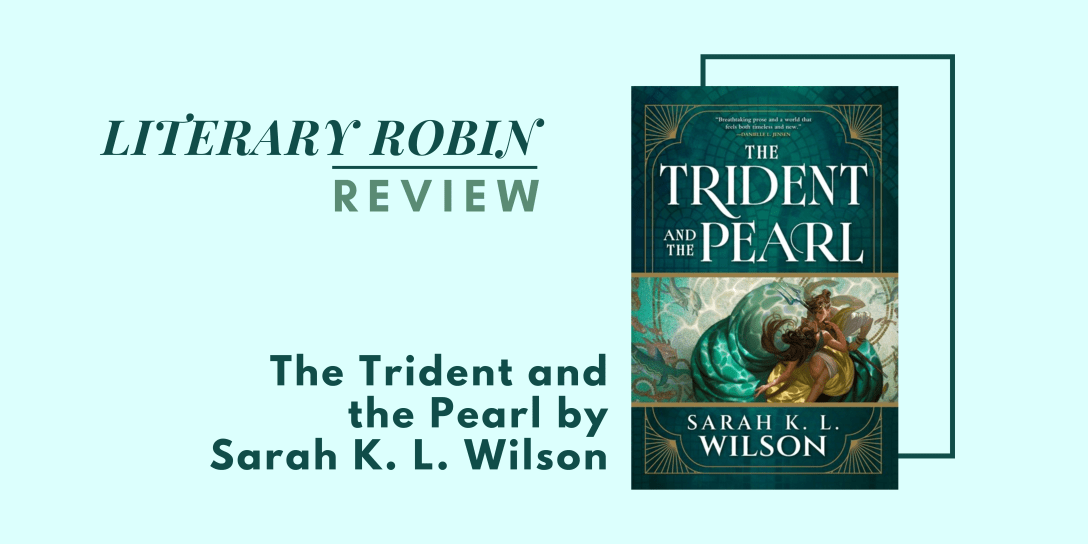
Drown under the weight of the waves in Sarah K.L. Wilson’s turbulent debut The Trident and the Pearl, where few bargains are as desperate as the ones we make before our end. Recounting a marriage of convenience between a queen stripped of her station and a god struck low, Wilson’s romantic fantasy novel puts new meaning on revenge and the path towards fulfilling that desire. Mainly it is okay to stab your husband through the chest, encouraged even. The Trident and the Pearl does not hesitate to drive that spear in deeper with a slow burn romance between our wedded pair: Okeanos, god of the sea, and Coralys, mortal once-queen hell bent on revenge against her godly husband. A recipe for tension if there ever was one, The Trident and the Pearl pulled me deep into the undertow to entangle in the deadly machinations of gods and reflect on not just godhood but the weight of holding such a power. Wilson’s attention to romantic yearning elevates this novel even further, a romance caught between hatred, vengeance, and what we owe to those whom we lead. Atmospheric and rimmed in sea foam, Wilson’s series debut manages to strike the perfect course, an ebb and flow between romantic yearning and the stratagems of fickle fickle gods. Rough seas turn rougher with bargains, quests for revenge, and gods in the mix, making this sea positively treacherous.
Reading The Trident and the Pearl has reminded me how much I miss a classic tale of godly scheming. Those stories which involve gods not as beings of pure intellect and rationality, but idiots and sometimes…simply just a guy trying his best and failing horribly? My taste down to the exact detail. Where the machinations are overly ambitious and humans are mere players on a chess board, The Trident and the Pearl feels like a return to the myths of my childhood and it is certainly a long-awaited homecoming. This has all the ornamentation of a classic godly tale: a heroine desperate to save her people, a double sided bargain, and a marriage between god and mortal. Set in a land of interconnected islands, The Trident and the Pearl feels both expansive and close knit much like the ocean itself, a comforting balm and a dangerous swell. The romance follows a similar pattern. Unhinged yearning is one thing: but yearning for the wife who wants to kill you and the man directly responsible for your rumination is entirely another. Before I read this book I had no true idea of the intimacy in killing—both in the person driving the weapon in deep and the person looking on helplessly, pulling the weapon in deeper. All to say Coralys and Oke don’t exactly fit any romance dynamic I’ve ever read, instead opting for chaos and disorder, which only further aligns this myth-like quality Wilson constructs with her debut.
The Trident and the Pearl takes a meandering path to the center of the storm in an engrossing final act that left me half drowned and bedraggled in its wake. In such a character focused tale I can only be happy this one took its time to lay the footwork because it makes those final chapters all the more merciless. Coralys’s struggle with her quest for revenge and the aftermath of that choice makes the mid section of this novel more internal—pensive. The Trident and the Pearl is concerned with choices, the crossroads we reach and the paths we take forward. What happens when the goal we’ve been chasing is achieved, and how are we transformed in the aftermath? One thing I appreciated about the mythos we’re introduced to is how godhood is a constant battle to retain one’s immortality and control the power you do have. The relationships between gods are more volatile, the moves and counter moves a result of a desire to amass more. Coralys is a unique character in that regard, not unfamiliar with power and responsibility to the people she leads, but grounded by her humanity. Being responsible for the well being of others is a connection she shares with Oke but against their opposing ties that connection may not outlast a secondary crossroads. Sarah K.L. Wilson’s The Trident and the Pearl is as uncommon as the pearl that makes its name, a fantasy novel worth plumbing the depths to learn all of its innermost facets. At this point I’m lost in it. Count me as on board the second (minus any drowning to the depths).
Thank you to Orbit and Netgalley for providing this advance review copy.
Kowloon is a city of ghosts. For a girl with no memories washed up upon the shore, it presents an opportunity for a rebirth. Mercy Chan has a unique ability: not only can she see ghosts, she can commune with the dead and allow them to move towards the afterlife—a rare talent coveted by those who make Kowloon Walled City their home. For decades Mercy has worked as a ghost talker of sorts in connection with the Kowloon triad. She spends her days communicating with the ghosts who linger, usually the angry and wronged, bringing justice to their afterlife and to the city itself. But something darker lurks in the shadowed spaces, luring citizens to their watery deaths and speaking to Mercy through the bodies of the departed. With a proposal to demolish Kowloon up next on the docket, a serial killing spree could be what allows the legislation to pass. Even more sinister, this killer appears to have a personal connection to Mercy and is intent on drawing her close to their crimes almost as if in retaliation for something. The answer lies deep in the past in memories Mercy is unable to access. As Mercy follows closer and closer to this ghost, the less she can deny that the vicious spirit is on a quest for revenge and the object of its ire: Mercy herself.
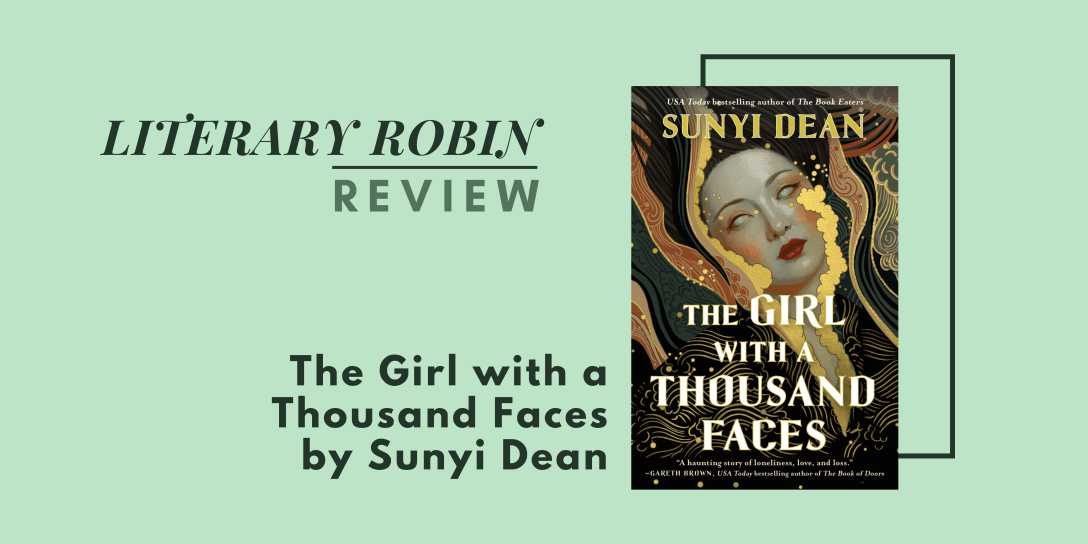
A ghost-talker confronts her missing past and the ghosts that linger in Sunyi Dean’s historical gothic feat, The Girl with a Thousand Faces. It feels like eons since I first discovered Sunyi Dean and drifting back into her work feels as languorous as a cat taking a long stretch in the sun—entirely out of sorts with the actual tone of Dean’s sophomore novel: a historical gothic fantasy all about ghosts and the cycles we perpetuate. The Girl with a Thousand Faces is as cutthroat as the ghosts left to steep in sadness, anger, and regret. At the helm, Mercy Chan, a fifty something ghost talker with a mysterious past facing down a ghostly killer intent on forcing her to confront her own forgotten ghosts. The Girl with a Thousand Faces makes the reader into a kind of specter, wandering Kowloon Walled City alongside Mercy as she unravels the past. Dragged down deep into waters ancient and strange, Sunyi Dean weaves a startling narrative that will have you questioning the true villains, be they paranormal or man made. Vindictive ghosts are one thing, but Dean’s true talent lies in her glimpse into the real horror beneath, the devastations of war, grief, and generational traumas—with everything a cost of ignoring that pain. Brave this strange ghostly saga and whatever you do don’t look down.
The Girl with a Thousand Faces is a bit of a genre-bend, equal parts historical, fantasy, and gothic that begins to take shape through the unique setting of Kowloon Walled City. Setting is everything within a gothic novel and Kowloon, a city of ghosts (both human and paranormal), could not be more perfect for the story Dean constructs. Right away you can feel the claustrophobic nature of this densely packed city, a community of humans and ghosts that is home despite efforts to demolish it post-war. Kowloon is very much a city that reflects the pain that cannot be buried, of real people attempting to make a living after enduring the horror of the second World War. It makes sense then that ghosts have congregated within its boundaries and have continued to flourish even in the decades following. In a city rife with ghosts, Sunyi Dean questions what are the real ghosts—are they the literal phantoms and wraiths clinging to life, or do they represent a darker part of our humanity that we refuse to examine and excise. The Girl with a Thousand Faces presents an interesting duality in its perspectives, both ghost and human, to interrogate not just this essential question but how ghosts themselves come to be.
Much of what makes this book so hard hitting is the humanity underlying the horror. That we create our own ghosts which follow us and our descendents is far more horrific than the literal ghosts appearing within the narrative at times. There is a grief that comes alongside knowing this, in understanding that Mercy’s story is the result of pain endured by her family and a suffering that was never addressed generations prior. Relationships between sisters, mothers, aunts, and nieces, are all part of this delicate tapestry and a pain that went unanswered. These relationships are the beating heart of The Girl with a Thousand Faces and the nuance in depicting motherhood, specifically the relationship between mother and daughter were some of my favorite parts of the novel. Siu Yin and her mother, dancing and swimming with ghosts rather than reaching for each other in hard times, cogs in a relentless cycle that initially appears impenetrable. Throughout this complex web, Dean underpins the staggering traumas of war and colonialism which shape us and those who come after. In the aftermath, sometimes the pain caused is too great and by trying to hide it we cause more, leading to further tragedy. The Girl with a Thousand Faces knows the work of grieving and moving forward is a heavy burden, but it is essential work and part of freeing our own inner ghosts.
The Girl with a Thousand faces is the best thing a book can be: clever and horrifying as hell. While it has been some time between Sunyi Dean’s debut, The Book Eaters, and her sophomore novel, I would wait twice as long if it means she can keep delivering books such as this one. The Girl with a Thousand Faces is certainly one of the most interesting historical novels I have ever read. A ghostly jaunt through a post World War Two Hong Kong—specifically Kowloon Walled City—as Dean examines what makes a ghost and what it takes to truly reconcile them. The Girl with a Thousand Faces nails all the bittersweet facets of forgiveness and how essential it is to breaking the cycle of grief and trauma. Not without its heartbreaking moments through others who did not have the language to do the work of grieving, instead languishing in that pain and trauma and never fully surfacing. Though horrific, grief ridden, and painful at times, there is a tremendous joy found in breaking the cycle, in doing the hard work of reconciliation. Certainly not an easy path but one that is worth the work. Sunyi Dean doesn’t deny that we don’t always get the answers we’ve been longing for, craving an understanding from our family members who are long gone, never there to give us greater context. Those can be ghosts too, following us ever long even as the cycle is rented in two. Haunting yes, but fiercely hopeful, The Girl with a Thousand Faces asks us to trust in the haunted and dare to sink knowing we will eventually surface—if we can just make that leap.
Thank you to Edelweiss and the publisher for providing the advance review copy.
Trigger warnings: violence, murder, depression, death of a parent, grief, war, mass death
Please note this review contains spoilers for the former book in this series, The Gods Below, and contains references to some of the events in this sequel. Read with caution.
⭐⭐⭐⭐⭐
Rating: 5 out of 5.
To reunite with the sister she unwittingly abandoned, Hakara risked everything. Now face to face with her sister Rasha after ten long years, Hakara knows she is beyond saving. For Rasha is an altered, one of the humans transformed by the god Kluehnn as he restored their home country, and she will not leave her place as a godkiller nor give up Kluehnn’s will as the one true god. Hakara and the Unanointed rebels instead decide to track down one of the elder gods, Lithuas, who betrayed her elder comrades in an act that ushered in Kluehnn’s reign and spelled their demise. Capturing her could provide valuable intel, and swaying her to their side even more. Back in Langzu, Sheuan plays a dangerous game in allying herself with the Sovereign in marriage, but she knows he hides secrets. Meanwhile, her cousin Mullayne searches for Tolemne’s tomb, the human who bargained with Kluehnn centuries ago. If he can discover the truth beneath the legend, perhaps they can learn Kluehnn’s master plan and why Tolemne returned to the surface. Across the fractured continent war is kindling. Hakara harnesses a great power in the corestone suffused with untold power, but she won’t stop even if using said power costs her life. Rasha begins to question the teachings of Kluehnn and if war is exactly what he wanted all along. On opposing sides of a war between gods, Hakara and Rasha’s loyalty is no longer to each other. Restoration is coming and only the answers in the past could turn the tide and help bring about the end to a violent god.
Andrea Stewart’s Hollow Covenant trilogy bridges the gap between climate fiction and high fantasy in a climate ravaged world where humanity is at the whim of a vengeful god who promises restoration with a price. In her sequel to The Gods Below, Stewart demonstrates her breadth of both plotting and storytelling as she amplifies her godly war and the history of centuries past to plunge ever deeper into revenge and the cost of excess on generations. As her four characters face down a restoration event, Hakara and Rasha, sisters separated by circumstance, find themselves on opposite sides of a war over the future of their world. Sheuan plots and Mullayne continues to pick at the threads of the past. Loyalties are tenuous at best and Stewart proves just how much in a sequel that questions the cost of vengeance and whether transformation is the true catalyst of change. Four perspectives, all concerning some aspect of the truth, are split apart on a shattered landscape, and as time runs out they will piece together the past behind the stories they’ve been taught to believe. Vengeance, grief, loyalty, and love coalesce in The War Beyond and it’s nothing short of world altering. With countless perspectives and a wealth of history to get lost in, the Hollow Covenant speaks to the best of the fantasy genre, and something tremendously human captured within a fantasy setting: consumption with no thought for consequence.
The War Beyond is the novel that took me from interested to eternally invested in the Hollow Covenant trilogy. Like coveted gods gems I gobbled up all of the character perspectives, lore, and rich history of this shattered world, left temporarily transformed in their wake. For a world utterly expansive in measure there are so many things to admire and take away from Stewart’s trilogy. Mainly Hakara and Thassir who I would like to put in my pocket and protect from harm (I say while still craving the incredible angst that appears whenever they are in the same room together). From the moment I first heard the pitch for the Hollow Covenant series I knew it had the capacity for greatness: a decimated climate the result of human consumption, future generations left to toil for a better world, and gods hunted to extinction by an opportunistic being who promises a return to the world humanity destroyed. However, it wasn’t until this sequel that these all sunk in for me as Stewart uncovers more to this history and the motivations of core characters. The World Beyond is a fascinating sequelexcelling on the basis of story, to world, characters both major and minor, and the romance subplots (oh the subplots). Four unique perspectives: the altered, the rebel, the spy, and the explorer take a larger stand against the change being wrought in their world—to succeed or be irrevocably altered in its wake.
Andrea Stewart reveals the depth of the deception across the centuries through her focus on the power of information systems in dispersing the truth. To control how information is recorded comes with the ability to control the narrative no matter how inaccurate—an essential component to how things develop within this sequel. Through the epigraphs, the known history of The Shattering, the burning of the Numinar trees, and Tolemne’s path, Stewart lays clues to Kluehnn’s motivations and his rise to power centuries prior. Many of these primary and secondary sources become suspect with just one sentence as Stewart unveils her revolutionary plot twist. And what a twist! I can count on one hand the plot reveals that have left me floored as I try to pick up the pieces, and I can now count The War Beyond amongst them. Very much here for the plot twists that recontextualize the playing field and history while deepening the knowledge we have on our antagonists. The War Beyond does this perfectly while instigating the next stage of this narrative. As this book nears its end, Stewart hammers in the power of oral storytelling and the impact of information systems that have broken down in the aftermath of a world altering event. The result is misinformation and our characters grapple with this while endeavoring to right the wrongs taking place within their world.
In reaching the end of The War Beyond comes the question: how to move on. And if that’s not the mark of an excellent book I don’t know what is. Stewart’s follow up certainly feels timely, homed in on a world decimated by a changing climate and the current generation left to atone for the sins of the past. Tethered to the past and their alliances, each of our core perspectives understands the unerring call: they may not be the direct cause but they are responsible for righting the problems in their world. The heart of these perspectives continues to be sisters Hakara and Rasha whose lives were sundered following the destruction and rebirth of Kashan. This theme of sisterhood is such a strong tether within this series and it is tested in the pursuit of revenge and worship for each sister respectively. Hakara’s desire for revenge is mirrored in the most unexpected way as Stewart reveals how all of these world altering events have been driven by revenge and retribution in some manner. Really cannot emphasize how brilliant the central plot twist is for this sequel (I am still thinking of it weeks after). There are still many mysteries afoot when it comes to the history of this world and the actions of the elder gods. Thassir in particular continues to be an iconic grieving cat protector and I loved seeing him level up and take back the godly mantle he had abandoned. The War Beyond is just all around a superb sequel, digging deeper into the dark to unearth the past and transform an unsteady world. Stewart places her characters on the path to intervene with a god and I know I will come out just as altered before its end.
Thank you to Netgalley and the publisher for providing me with an advance review copy.
Trigger warnings: death, blood, murder, mutilation, body horror