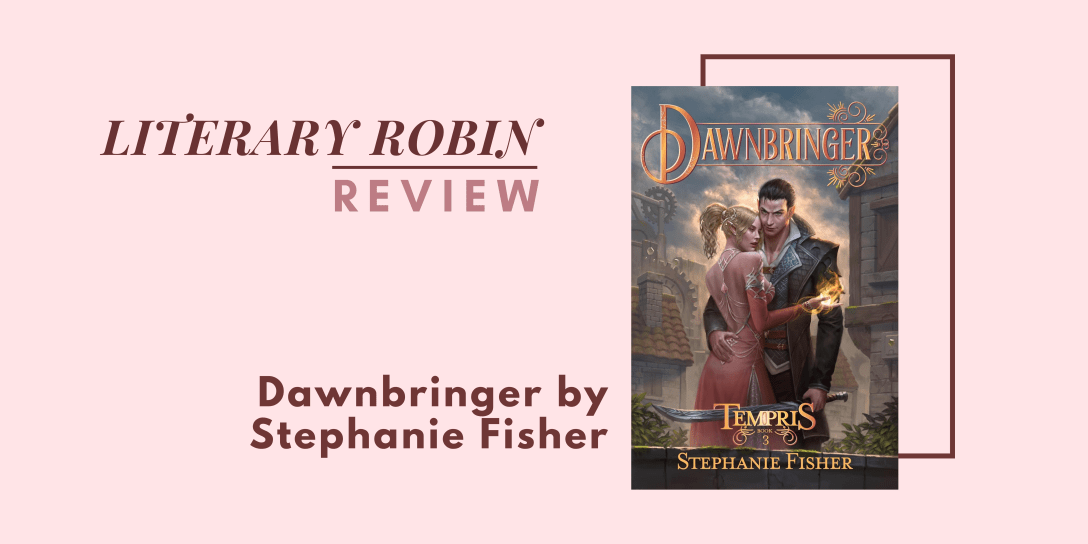
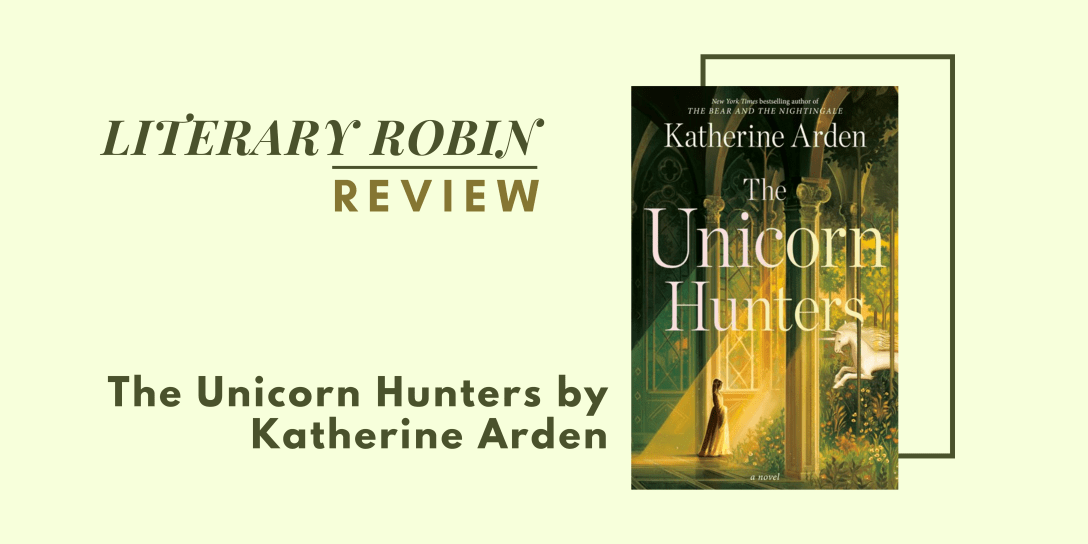
Review: The Trident and the Pearl by Sarah K. L. Wilson

Rating: 4 out of 5.

On the day her world drowned, Queen Coralys made a bargain. Desperate to save her kingdom of isles from their watery fate—one to which her husband had already succumbed, Coralys made a plea with their gods who at the last moment saved the islands for a price. In trade for her world restored, the gods strip Coralys of her queendom and order her to marry the first man who returns to the shore. Hoping for a prince or a duke, Coralys is instead given a fisherman who appears on the dock horrifically wounded and burnt from days spent in the sun. Given no choice but to wed this stranger, Coralys has no idea the man to whom she is betrothed is actually the god of the sea, the very god who was supposed to protect her islands and to her belief shirked in his duty. Mistrusting his motives, Coralys decides to control her own fate and chase revenge: kill the god who allowed her world to drown and take his power for herself. When it is revealed exactly to whom she is wed, Coralys soon grows to understand the world of scheming gods, of which she is unfortunately a pawn. As her husband reveals hidden depths Coralys is caught within a deadly tide: to pursue revenge or follow a new path to become a weapon all of her own making.

Drown under the weight of the waves in Sarah K.L. Wilson’s turbulent debut The Trident and the Pearl, where few bargains are as desperate as the ones we make before our end. Recounting a marriage of convenience between a queen stripped of her station and a god struck low, Wilson’s romantic fantasy novel puts new meaning on revenge and the path towards fulfilling that desire. Mainly it is okay to stab your husband through the chest, encouraged even. The Trident and the Pearl does not hesitate to drive that spear in deeper with a slow burn romance between our wedded pair: Okeanos, god of the sea, and Coralys, mortal once-queen hell bent on revenge against her godly husband. A recipe for tension if there ever was one, The Trident and the Pearl pulled me deep into the undertow to entangle in the deadly machinations of gods and reflect on not just godhood but the weight of holding such a power. Wilson’s attention to romantic yearning elevates this novel even further, a romance caught between hatred, vengeance, and what we owe to those whom we lead. Atmospheric and rimmed in sea foam, Wilson’s series debut manages to strike the perfect course, an ebb and flow between romantic yearning and the stratagems of fickle fickle gods. Rough seas turn rougher with bargains, quests for revenge, and gods in the mix, making this sea positively treacherous.

Reading The Trident and the Pearl has reminded me how much I miss a classic tale of godly scheming. Those stories which involve gods not as beings of pure intellect and rationality, but idiots and sometimes…simply just a guy trying his best and failing horribly? My taste down to the exact detail. Where the machinations are overly ambitious and humans are mere players on a chess board, The Trident and the Pearl feels like a return to the myths of my childhood and it is certainly a long-awaited homecoming. This has all the ornamentation of a classic godly tale: a heroine desperate to save her people, a double sided bargain, and a marriage between god and mortal. Set in a land of interconnected islands, The Trident and the Pearl feels both expansive and close knit much like the ocean itself, a comforting balm and a dangerous swell. The romance follows a similar pattern. Unhinged yearning is one thing: but yearning for the wife who wants to kill you and the man directly responsible for your rumination is entirely another. Before I read this book I had no true idea of the intimacy in killing—both in the person driving the weapon in deep and the person looking on helplessly, pulling the weapon in deeper. All to say Coralys and Oke don’t exactly fit any romance dynamic I’ve ever read, instead opting for chaos and disorder, which only further aligns this myth-like quality Wilson constructs with her debut.

The Trident and the Pearl takes a meandering path to the center of the storm in an engrossing final act that left me half drowned and bedraggled in its wake. In such a character focused tale I can only be happy this one took its time to lay the footwork because it makes those final chapters all the more merciless. Coralys’s struggle with her quest for revenge and the aftermath of that choice makes the mid section of this novel more internal—pensive. The Trident and the Pearl is concerned with choices, the crossroads we reach and the paths we take forward. What happens when the goal we’ve been chasing is achieved, and how are we transformed in the aftermath? One thing I appreciated about the mythos we’re introduced to is how godhood is a constant battle to retain one’s immortality and control the power you do have. The relationships between gods are more volatile, the moves and counter moves a result of a desire to amass more. Coralys is a unique character in that regard, not unfamiliar with power and responsibility to the people she leads, but grounded by her humanity. Being responsible for the well being of others is a connection she shares with Oke but against their opposing ties that connection may not outlast a secondary crossroads. Sarah K.L. Wilson’s The Trident and the Pearl is as uncommon as the pearl that makes its name, a fantasy novel worth plumbing the depths to learn all of its innermost facets. At this point I’m lost in it. Count me as on board the second (minus any drowning to the depths). 

Thank you to Orbit and Netgalley for providing this advance review copy.

Trigger warnings: death, violence, blood

Preorder a Copy – Out 24th February

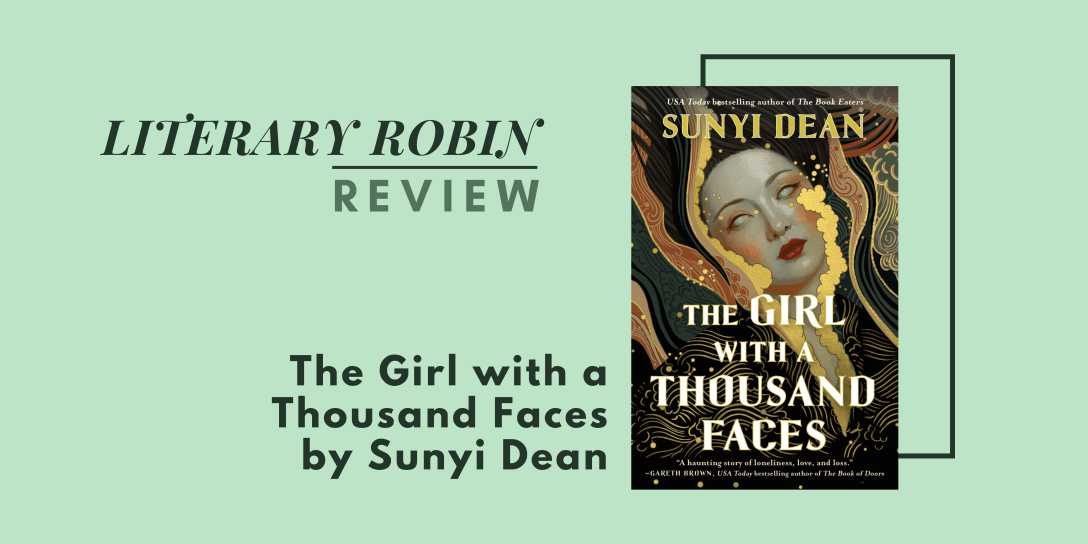
Review: The Girl with a Thousand Faces by Sunyi Dean

Rating: 5 out of 5.

Kowloon is a city of ghosts. For a girl with no memories washed up upon the shore, it presents an opportunity for a rebirth. Mercy Chan has a unique ability: not only can she see ghosts, she can commune with the dead and allow them to move towards the afterlife—a rare talent coveted by those who make Kowloon Walled City their home. For decades Mercy has worked as a ghost talker of sorts in connection with the Kowloon triad. She spends her days communicating with the ghosts who linger, usually the angry and wronged, bringing justice to their afterlife and to the city itself. But something darker lurks in the shadowed spaces, luring citizens to their watery deaths and speaking to Mercy through the bodies of the departed. With a proposal to demolish Kowloon up next on the docket, a serial killing spree could be what allows the legislation to pass. Even more sinister, this killer appears to have a personal connection to Mercy and is intent on drawing her close to their crimes almost as if in retaliation for something. The answer lies deep in the past in memories Mercy is unable to access. As Mercy follows closer and closer to this ghost, the less she can deny that the vicious spirit is on a quest for revenge and the object of its ire: Mercy herself.

A ghost-talker confronts her missing past and the ghosts that linger in Sunyi Dean’s historical gothic feat, The Girl with a Thousand Faces. It feels like eons since I first discovered Sunyi Dean and drifting back into her work feels as languorous as a cat taking a long stretch in the sun—entirely out of sorts with the actual tone of Dean’s sophomore novel: a historical gothic fantasy all about ghosts and the cycles we perpetuate. The Girl with a Thousand Faces is as cutthroat as the ghosts left to steep in sadness, anger, and regret. At the helm, Mercy Chan, a fifty something ghost talker with a mysterious past facing down a ghostly killer intent on forcing her to confront her own forgotten ghosts. The Girl with a Thousand Faces makes the reader into a kind of specter, wandering Kowloon Walled City alongside Mercy as she unravels the past. Dragged down deep into waters ancient and strange, Sunyi Dean weaves a startling narrative that will have you questioning the true villains, be they paranormal or man made. Vindictive ghosts are one thing, but Dean’s true talent lies in her glimpse into the real horror beneath, the devastations of war, grief, and generational traumas—with everything a cost of ignoring that pain. Brave this strange ghostly saga and whatever you do don’t look down.

The Girl with a Thousand Faces is a bit of a genre-bend, equal parts historical, fantasy, and gothic that begins to take shape through the unique setting of Kowloon Walled City. Setting is everything within a gothic novel and Kowloon, a city of ghosts (both human and paranormal), could not be more perfect for the story Dean constructs. Right away you can feel the claustrophobic nature of this densely packed city, a community of humans and ghosts that is home despite efforts to demolish it post-war. Kowloon is very much a city that reflects the pain that cannot be buried, of real people attempting to make a living after enduring the horror of the second World War. It makes sense then that ghosts have congregated within its boundaries and have continued to flourish even in the decades following. In a city rife with ghosts, Sunyi Dean questions what are the real ghosts—are they the literal phantoms and wraiths clinging to life, or do they represent a darker part of our humanity that we refuse to examine and excise. The Girl with a Thousand Faces presents an interesting duality in its perspectives, both ghost and human, to interrogate not just this essential question but how ghosts themselves come to be.

Much of what makes this book so hard hitting is the humanity underlying the horror. That we create our own ghosts which follow us and our descendents is far more horrific than the literal ghosts appearing within the narrative at times. There is a grief that comes alongside knowing this, in understanding that Mercy’s story is the result of pain endured by her family and a suffering that was never addressed generations prior. Relationships between sisters, mothers, aunts, and nieces, are all part of this delicate tapestry and a pain that went unanswered. These relationships are the beating heart of The Girl with a Thousand Faces and the nuance in depicting motherhood, specifically the relationship between mother and daughter were some of my favorite parts of the novel. Siu Yin and her mother, dancing and swimming with ghosts rather than reaching for each other in hard times, cogs in a relentless cycle that initially appears impenetrable. Throughout this complex web, Dean underpins the staggering traumas of war and colonialism which shape us and those who come after. In the aftermath, sometimes the pain caused is too great and by trying to hide it we cause more, leading to further tragedy. The Girl with a Thousand Faces knows the work of grieving and moving forward is a heavy burden, but it is essential work and part of freeing our own inner ghosts.

The Girl with a Thousand faces is the best thing a book can be: clever and horrifying as hell. While it has been some time between Sunyi Dean’s debut, The Book Eaters, and her sophomore novel, I would wait twice as long if it means she can keep delivering books such as this one. The Girl with a Thousand Faces is certainly one of the most interesting historical novels I have ever read. A ghostly jaunt through a post World War Two Hong Kong—specifically Kowloon Walled City—as Dean examines what makes a ghost and what it takes to truly reconcile them. The Girl with a Thousand Faces nails all the bittersweet facets of forgiveness and how essential it is to breaking the cycle of grief and trauma. Not without its heartbreaking moments through others who did not have the language to do the work of grieving, instead languishing in that pain and trauma and never fully surfacing. Though horrific, grief ridden, and painful at times, there is a tremendous joy found in breaking the cycle, in doing the hard work of reconciliation. Certainly not an easy path but one that is worth the work. Sunyi Dean doesn’t deny that we don’t always get the answers we’ve been longing for, craving an understanding from our family members who are long gone, never there to give us greater context. Those can be ghosts too, following us ever long even as the cycle is rented in two. Haunting yes, but fiercely hopeful, The Girl with a Thousand Faces asks us to trust in the haunted and dare to sink knowing we will eventually surface—if we can just make that leap.

Thank you to Edelweiss and the publisher for providing the advance review copy.
Trigger warnings: violence, murder, depression, death of a parent, grief, war, mass death

Preorder a Copy — Out 5th May

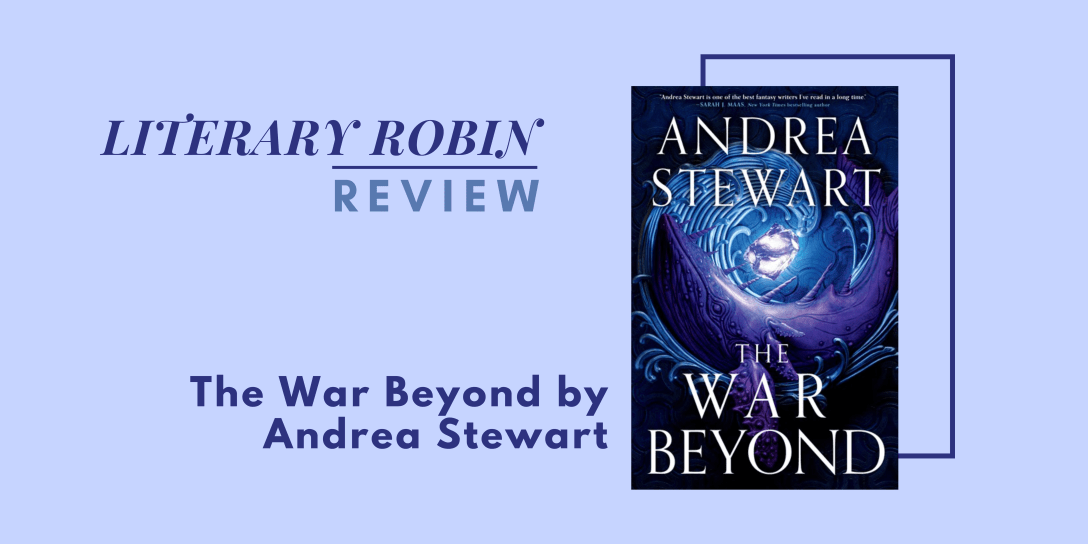
Review: The War Beyond by Andrea Stewart

Please note this review contains spoilers for the former book in this series, The Gods Below, and contains references to some of the events in this sequel. Read with caution. 

Rating: 5 out of 5.

To reunite with the sister she unwittingly abandoned, Hakara risked everything. Now face to face with her sister Rasha after ten long years, Hakara knows she is beyond saving. For Rasha is an altered, one of the humans transformed by the god Kluehnn as he restored their home country, and she will not leave her place as a godkiller nor give up Kluehnn’s will as the one true god. Hakara and the Unanointed rebels instead decide to track down one of the elder gods, Lithuas, who betrayed her elder comrades in an act that ushered in Kluehnn’s reign and spelled their demise. Capturing her could provide valuable intel, and swaying her to their side even more. Back in Langzu, Sheuan plays a dangerous game in allying herself with the Sovereign in marriage, but she knows he hides secrets. Meanwhile, her cousin Mullayne searches for Tolemne’s tomb, the human who bargained with Kluehnn centuries ago. If he can discover the truth beneath the legend, perhaps they can learn Kluehnn’s master plan and why Tolemne returned to the surface. Across the fractured continent war is kindling. Hakara harnesses a great power in the corestone suffused with untold power, but she won’t stop even if using said power costs her life. Rasha begins to question the teachings of Kluehnn and if war is exactly what he wanted all along. On opposing sides of a war between gods, Hakara and Rasha’s loyalty is no longer to each other. Restoration is coming and only the answers in the past could turn the tide and help bring about the end to a violent god.

Andrea Stewart’s Hollow Covenant trilogy bridges the gap between climate fiction and high fantasy in a climate ravaged world where humanity is at the whim of a vengeful god who promises restoration with a price. In her sequel to The Gods Below, Stewart demonstrates her breadth of both plotting and storytelling as she amplifies her godly war and the history of centuries past to plunge ever deeper into revenge and the cost of excess on generations. As her four characters face down a restoration event, Hakara and Rasha, sisters separated by circumstance, find themselves on opposite sides of a war over the future of their world. Sheuan plots and Mullayne continues to pick at the threads of the past. Loyalties are tenuous at best and Stewart proves just how much in a sequel that questions the cost of vengeance and whether transformation is the true catalyst of change. Four perspectives, all concerning some aspect of the truth, are split apart on a shattered landscape, and as time runs out they will piece together the past behind the stories they’ve been taught to believe. Vengeance, grief, loyalty, and love coalesce in The War Beyond and it’s nothing short of world altering. With countless perspectives and a wealth of history to get lost in, the Hollow Covenant speaks to the best of the fantasy genre, and something tremendously human captured within a fantasy setting: consumption with no thought for consequence. 

The War Beyond is the novel that took me from interested to eternally invested in the Hollow Covenant trilogy. Like coveted gods gems I gobbled up all of the character perspectives, lore, and rich history of this shattered world, left temporarily transformed in their wake. For a world utterly expansive in measure there are so many things to admire and take away from Stewart’s trilogy. Mainly Hakara and Thassir who I would like to put in my pocket and protect from harm (I say while still craving the incredible angst that appears whenever they are in the same room together). From the moment I first heard the pitch for the Hollow Covenant series I knew it had the capacity for greatness: a decimated climate the result of human consumption, future generations left to toil for a better world, and gods hunted to extinction by an opportunistic being who promises a return to the world humanity destroyed. However, it wasn’t until this sequel that these all sunk in for me as Stewart uncovers more to this history and the motivations of core characters. The World Beyond is a fascinating sequel excelling on the basis of story, to world, characters both major and minor, and the romance subplots (oh the subplots). Four unique perspectives: the altered, the rebel, the spy, and the explorer take a larger stand against the change being wrought in their world—to succeed or be irrevocably altered in its wake.

Andrea Stewart reveals the depth of the deception across the centuries through her focus on the power of information systems in dispersing the truth. To control how information is recorded comes with the ability to control the narrative no matter how inaccurate—an essential component to how things develop within this sequel. Through the epigraphs, the known history of The Shattering, the burning of the Numinar trees, and Tolemne’s path, Stewart lays clues to Kluehnn’s motivations and his rise to power centuries prior. Many of these primary and secondary sources become suspect with just one sentence as Stewart unveils her revolutionary plot twist. And what a twist! I can count on one hand the plot reveals that have left me floored as I try to pick up the pieces, and I can now count The War Beyond amongst them. Very much here for the plot twists that recontextualize the playing field and history while deepening the knowledge we have on our antagonists. The War Beyond does this perfectly while instigating the next stage of this narrative. As this book nears its end, Stewart hammers in the power of oral storytelling and the impact of information systems that have broken down in the aftermath of a world altering event. The result is misinformation and our characters grapple with this while endeavoring to right the wrongs taking place within their world.

In reaching the end of The War Beyond comes the question: how to move on. And if that’s not the mark of an excellent book I don’t know what is. Stewart’s follow up certainly feels timely, homed in on a world decimated by a changing climate and the current generation left to atone for the sins of the past. Tethered to the past and their alliances, each of our core perspectives understands the unerring call: they may not be the direct cause but they are responsible for righting the problems in their world. The heart of these perspectives continues to be sisters Hakara and Rasha whose lives were sundered following the destruction and rebirth of Kashan. This theme of sisterhood is such a strong tether within this series and it is tested in the pursuit of revenge and worship for each sister respectively. Hakara’s desire for revenge is mirrored in the most unexpected way as Stewart reveals how all of these world altering events have been driven by revenge and retribution in some manner. Really cannot emphasize how brilliant the central plot twist is for this sequel (I am still thinking of it weeks after). There are still many mysteries afoot when it comes to the history of this world and the actions of the elder gods. Thassir in particular continues to be an iconic grieving cat protector and I loved seeing him level up and take back the godly mantle he had abandoned. The War Beyond is just all around a superb sequel, digging deeper into the dark to unearth the past and transform an unsteady world. Stewart places her characters on the path to intervene with a god and I know I will come out just as altered before its end.

Thank you to Netgalley and the publisher for providing me with an advance review copy.

Trigger warnings: death, blood, murder, mutilation, body horror

Buy a Copy:

Let’s Talk: Short and Sweet Novellas

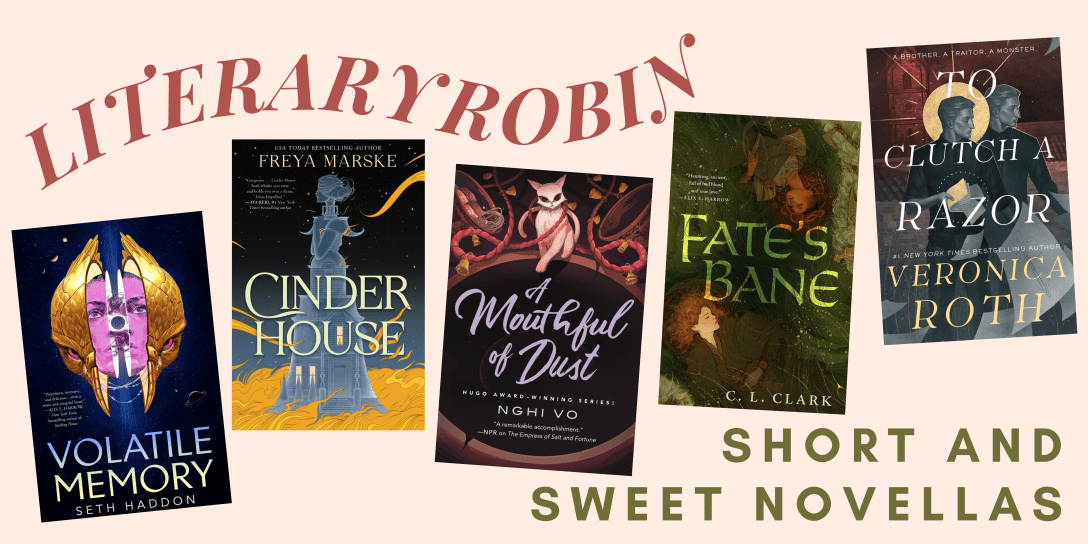
My favorite thing is whatever Tor dot com has got going on in autumn. Whenever I’m feeling stuck with what I’m reading, I can always count on Tor dot com to bring me back with their stellar offerings in short fiction. There are so many new authors to try in this range of fiction and honestly some of the best concepts first began as novellas—see Alix E. Harrow’s, The Six Deaths of the Saint. This season is giving us Veronica Roth’s sequel to When Among Crows, the next book in the Singing Hills Cycle (Nghi Vo my love), and some really amazing queer speculative journeys. As part of my elaborate plan to reach my yearly reading goal this month I’m reading an entire slew of novellas and telling you all the one’s that are worth your time. Short and sweet is the recipe for success here so look no further for the books to take you to new heights!

Disclosure: I will be linking my Bookshop affiliate link below my reviews. I earn a small commission if you purchase books through this link and it is one way to support my reviewing! My affiliate link will simply be labeled “Bookshop.”

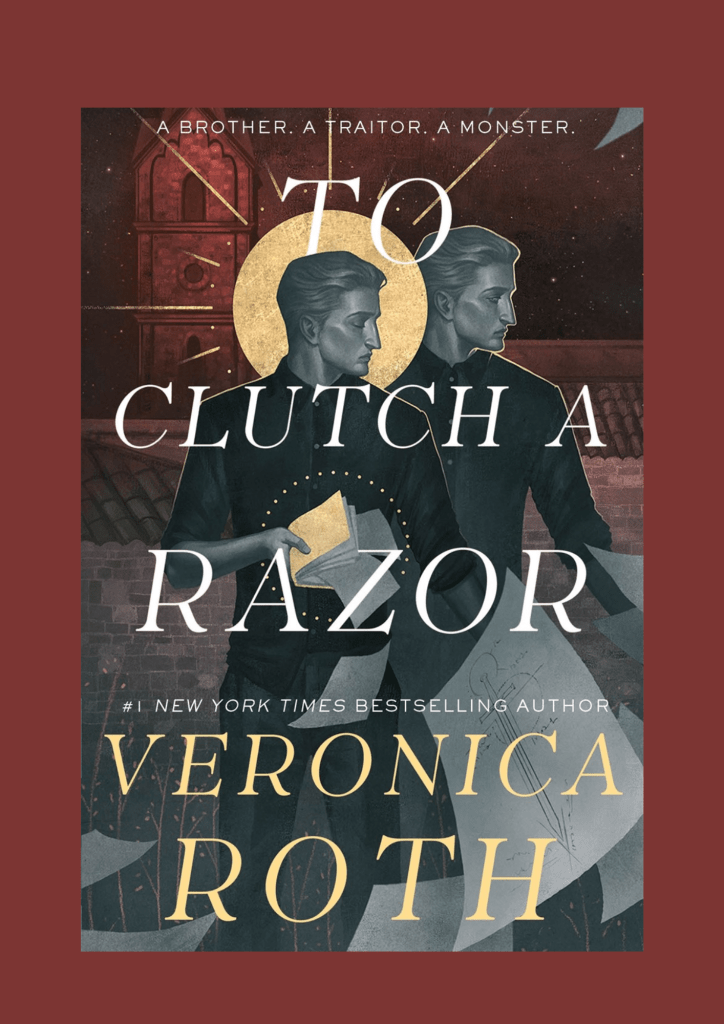
To Clutch a Razor by Veronica Roth

Real found family-ism is letting them help rob your birth family. Months after surrendering his bone sword—the weapon all Knights of the Holy Order possess, tethered to their souls and sheathed into their spines, Dymitr is ready to bargain it back. The trade for his transformation into a Zmora by Baba Jaga, the feared witch isn’t willing to just hand it over for nothing. Her price: the death of his grandmother, one of the Knights legendary hunters. Not willing to kill a member of his family, Dymitr instead plans to steal her book of curses, hoping it will be enough to unite him with the other half of his soul. Veronica Roth’s Curse Bearer is a dark urban fantasy gem rooted in Slavik folklore and given new life in modern day Chicago. It’s the kind of bite sized adventure that fills the space of a larger novel, sating the appetite without the high page count. To Clutch a Razor returns readers to our precarious found family as they continue to clash with an order intent on their eradication. Dymitr is now counted among them, as he has cast off his status as Holy Knight, to become something he was taught to destroy. Alliances and bargains bring together different motivations in Dymitr, Niko, and Ala in this sequel as they travel to Poland for a funeral, for an assassination, and a heist—all in the home of Dymitr’s family, one of the most revered in the Holy Order. A former knight, a zmora who feeds on fear (and has an innate talent for illusions), and a strzygi who feeds on anger make for a great trio. To Clutch a Razor will put their bonds to the test in some of Roth’s best writing to date. Dymitr’s journey to atone for the past and the sins of his family is the still beating heart of this series. To Clutch a Razor is a valiant display of bravery in not just becoming the monster in order to stop being one, but facing the greatest monster of all: your family line.

Buy a Copy:

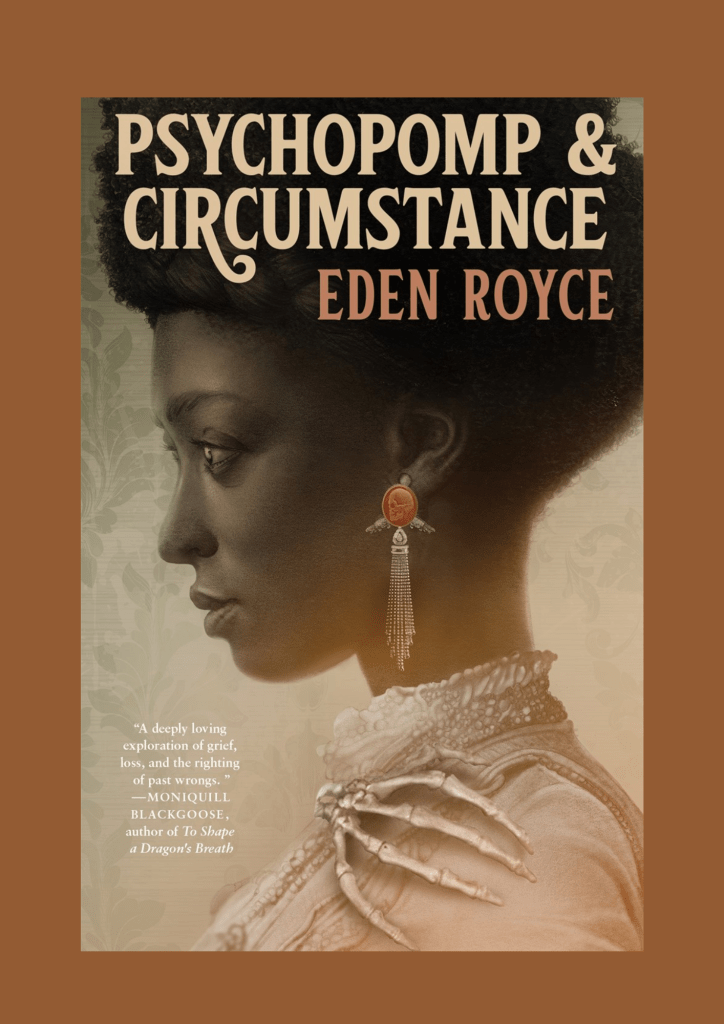
Psychopomp and Circumstance by Eden Royce

In death, there is no greater honor than the pomp, the role of planning the funeral service for the newly departed. When she learns of her aunt Cleo’s passing—years after she was exiled from the family, Phee St. Margaret goes against her family’s wishes and volunteers to pomp the dead—to travel to the town her aunt made her home and plan the funeral. At the home of her aunt, the dead may not really be dead, and various objects clue the truth to her aunt’s estrangement with her family. Though the task may be daunting, Phee will pomp for her aunt and stand in place for a future she never expected at all. Psychopomp & Circumstance is a quieter novella, but brimming in the Southern Gothic tradition and the history surrounding the Reconstruction era South. Emotional and haunting, Eden Royce knows how to establish a firm tension in her narrative through family wounds, secrets, and the goings of an unknown town. With a pomp to accomplish, the heart of this tale is held in our heroine Phee, who grapples with the expectations of her family to marry well, against her desire to do more. Royce’s portrayals of the pomp and the importance of death rituals is not to be denied and perfectly wound up in Phee’s arc in reaching for a larger role and standing firm in her autonomy. Though the setting of Cleo’s house is unsettling, it is the anxiety of successfully pulling off this service that is felt so close to the surface. Phee’s emotions and the secrets buried within a house and family make this novella a positively unnerving read, yet unique and eye opening all the same.

Buy a Copy:

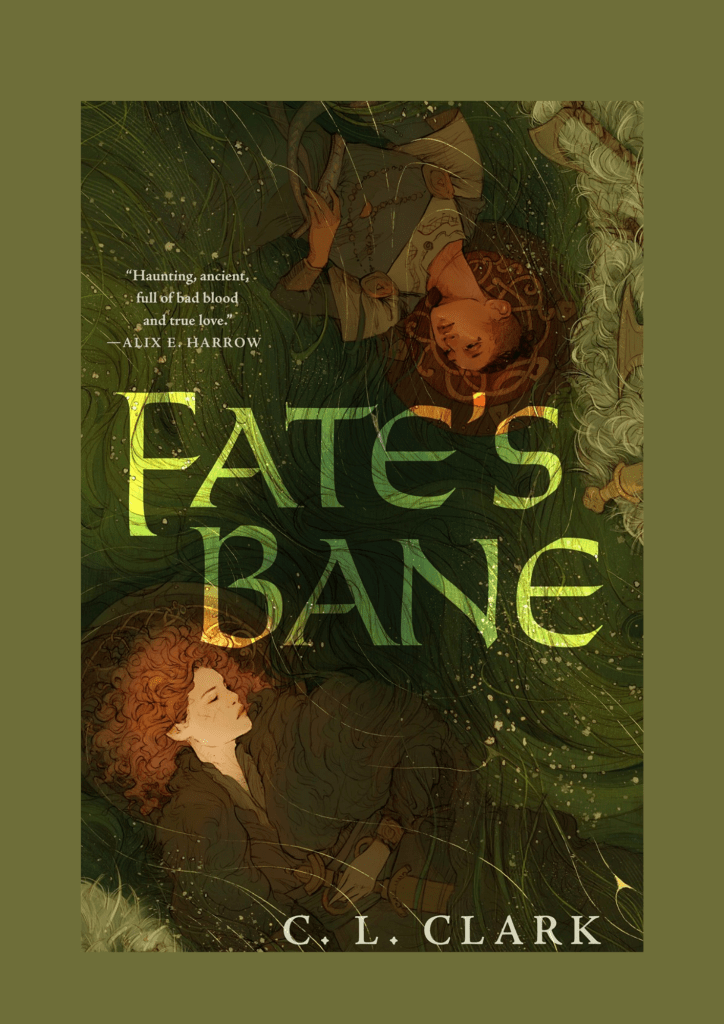
Fate’s Bane by C.L. Clark

Another sapphic fantasy story from C.L. Clark? The world rejoiced. Held captive for many years by an enemy clan, Agnir is raised alongside the children of their chieftain as his ward. Ever held at arms length, held hostage to continue the peace, Agnir falls hopelessly and recklessly in love with the chieftain’s daughter, Hadhnri. Together they harness a magic that could transform the clans of the fens, if they can at first endure a bitter separation. Fates Bane is a perfect novella for the fantasy obsessed, or anyone looking to get a slice of sapphic tragedy with half the page count. Anyone familiar with Clark’s writing knows they aren’t afraid to go for the jugular and that is decidedly the spirit of their latest novella. Fates Bane serves a sapphic childhood friends to enemies to lovers romance alongside clan wars, conflicting family bonds, dangerous forests, and leather soaked in magic. With a story like this, it’s evident how everything is carefully arranged, allowing every word its maximum effect—the story to become its own kind of legend. Fate’s Bane is heavily immersed in tales retold and reinterpreted, and just reading it becomes an integral part in the making of things. Blade sharp yet comforting in its forbidden love and familial bonds, Fate’s Bane exquisitely toes the line between competing loyalties and an inevitable clan confrontation left in the fallout. The result is an action packed third act and an ending that will shape you in disbelief. Relentless, inevitable, Fate’s Bane is the kind of story told at midnight between the weeping willow fronds with all the promises of devoted youth made sacred through love and hidden magic.

Buy a Copy:

A Mouthful of Dust by Nghi Vo

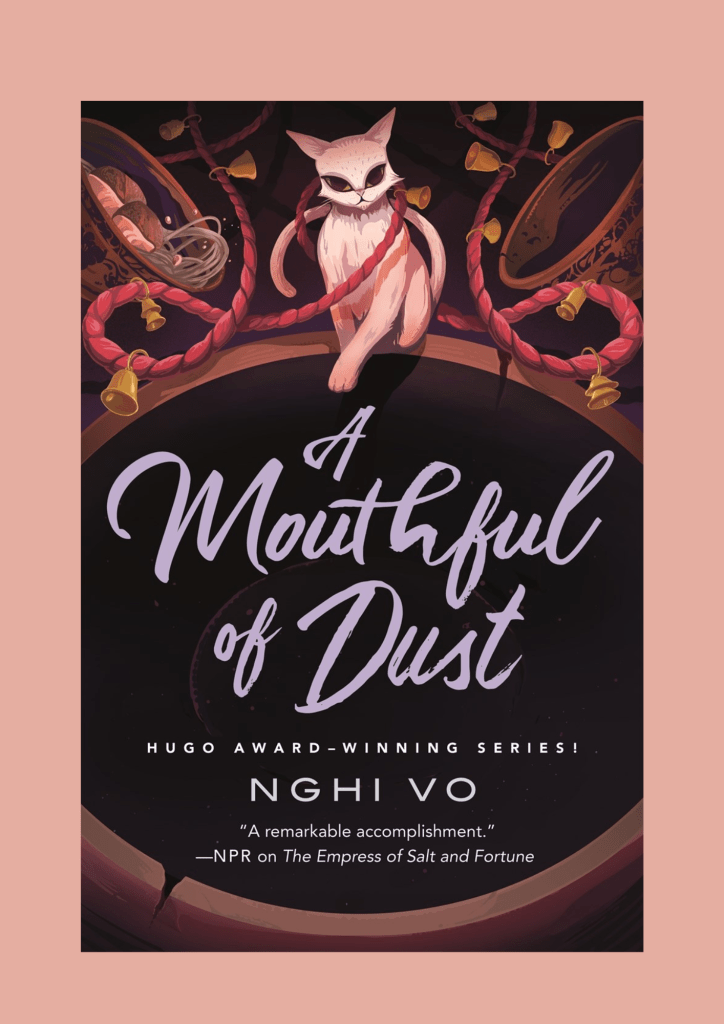
We’re back with the wandering Cleric Chih and their stalwart hoopoe companion, Almost Brilliant as they travel the land recording stories. This time the history of a village plagued by famine beckons. Known for its slow roasted pork, but even more for its three year famine of eighteen years past, the village of Baolin still bears the wounds of hunger, starvation, and mass death. Plagued by a famine demon with a hunger never slated, Chih is more curious of the secrets held by the wealthy and powerful of Baolin. Upon their arrival, Chih is taken and sequestered inside the manor of the local magistrate where they learn just now much secrets cost and the lingering proof of complacency and violence. If you know Nghi Vo, you know her novellas are some of the best in short fiction. A Mouthful of Dust is another incredible addition to her The Singing Hills Cycle, following an inquisitive cleric as they wander and record the stories of the land, and find themselves embroiled in danger, feuds, and murder plots more often than not. The fun of this series is the contrast between, where genre blurs but the commitment of our main character never wavers. A Mouthful of Dust contrasts accounts of the working class with those in power all centered around a life altering famine event in Baolin. In some, a famine demon bargains over pork, in others, the demon poisons the land and the people starve. It’s a fantasy story tinged with horror, but the claws dug deep into Baolin do not just belong to a malevolent demon ever hungering, but real human things. Hidden white cats, delicious pork, dark secrets, and cannibalism make up this next section of Singing Hills and all serve its continued calling for storytelling and enduring memory.

Buy a Copy:

The Lies of the Ajungo by Moses Ose Utomi

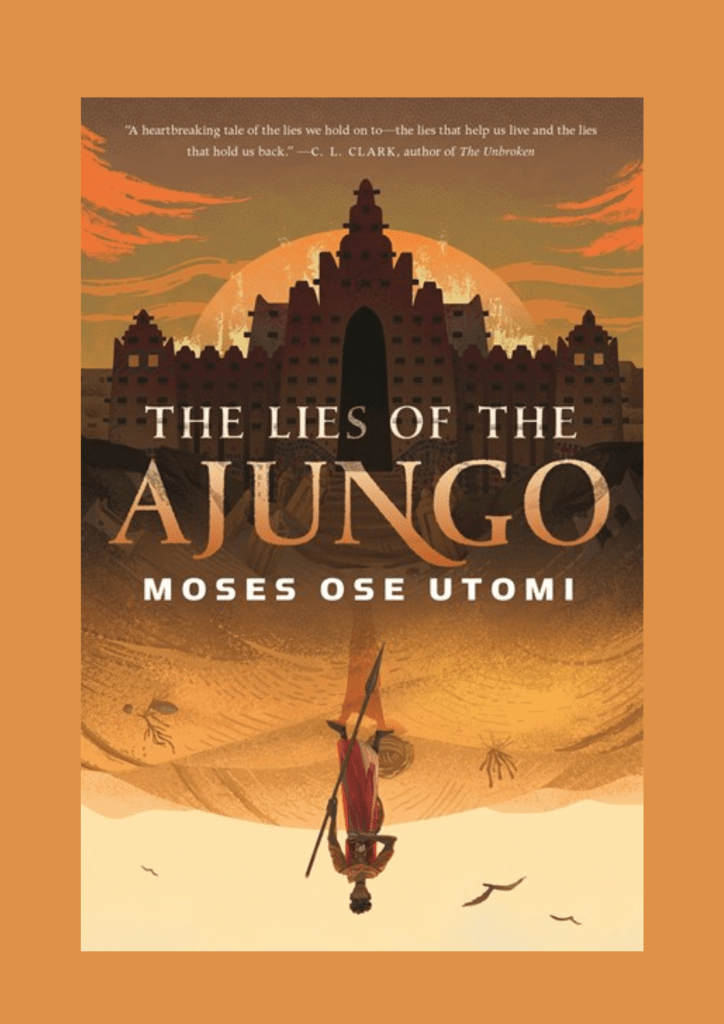
In The City of Lies, Tutu has grown up knowing only one thing: there is no water, there are no heroes, and there are no friends beyond its walls. At the age of thirteen, all citizens lose their tongues and the ability to speak—all to trade with the mysterious Ajungo empire and the meager water they provide. As his mother succumbs to dehydration, Tutu makes a deal with the city’s Obo: water for his mother in trade for his journeying into the desert in search of a water source. A journey that will transform not just himself, but the city he thought he knew. With his debut novella, Moses Ose Utomi proves you don’t have to write a full length story to have a narrative impact and pack a punch. A simple quest narrative is anything but with The Lies of the Ajungo, as a young boy travels into the desert and discovers the bones of the past children who searched for more and a strange group of women from a nearby city. From Tutu’s journey to the individuals he meets upon the way Utomi shows the act of narrative in defining a society, providing a common villain to hide the real violence taking place beneath the constructs of a city. The act of speaking, hearing, seeing, are all vital for truth telling in unique respects. The Lies of the Ajungo plays these senses in tandem revealing a system that deliberately ripped them away from a populace to hide the truth and benefit the powerful. Tutu’s journey is one that will stick with you as he navigates desert oasis, would be assassins, and the facades of friends and enemies. Concerning storytelling, history, and oppression, The Lies of the Ajungo dares us to see beyond the stories we’ve been told to what lies beneath—a writhing, shameless abuse built and carried out with startling intent.

Buy a Copy:

Cinder House by Freya Marske

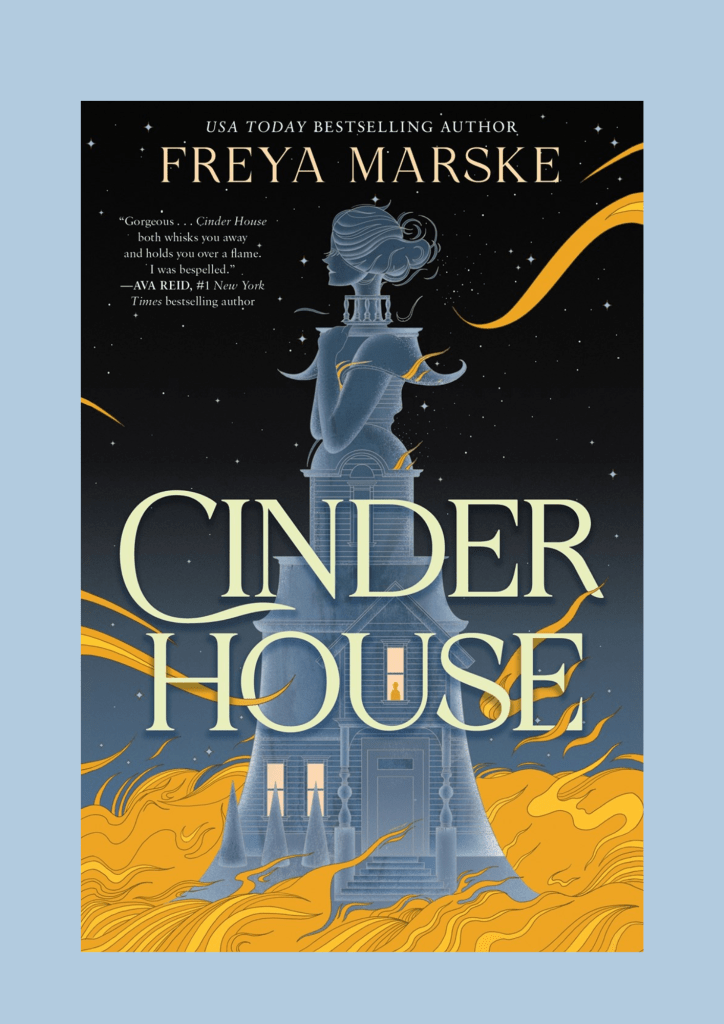
House ghost, but literally. When her father was poisoned, sixteen year old Ella should have inherited everything, had she not promptly fallen down the stairs to her death. But Ella remained as a haunting, a ghost tethered to the house just corporeal enough to become her stepmother’s personal maid. As she ages, Ella learns she can leave the boundaries of the house, but only for short periods of time, and she is always returned to the house at midnight. One day she befriends a charm seller who offers her a chance to attend the three night celebration taking place at the palace. There she meets a prince, and her (after) life is transformed forever. Freya Marske takes the Cinderella bones and reconstructs them into a ghostly queer fairytale of house hauntings, mysterious correspondence, and of course, magic. It’s the story you always knew, but not quite. In Cinder House a house is its own living thing, tethered to the violence of several murders and reacting to any harm upon our resident ghost, Ella. The house is a ghost of its own, but it’s also Ella and it holds the sins of this family and its tumultuous past, making this novella positively gothic indeed. Yearning for the freedom ever denied her, Ella discovers an unconventional means at escape, finding community in those who also feel trapped. One such individual: a young man at the ballet who yearns to dance again, another a sorcerer and scholar from a bordering kingdom. Knowing Freya Marske this is not your standard Cinderella story, and that extends to the romance which is nothing short of queer brilliance. Enchantments, mirrored slippers, ghostly houses, and secret letters shape the surface of this narrative about autonomy and forging your own path. Cinder House is all around an unconventional fairy tale, highlighting how the real happily ever after is the family and love we make for ourselves—its own kind of home.

Buy a Copy:

Volatile Memory by Seth Haddon

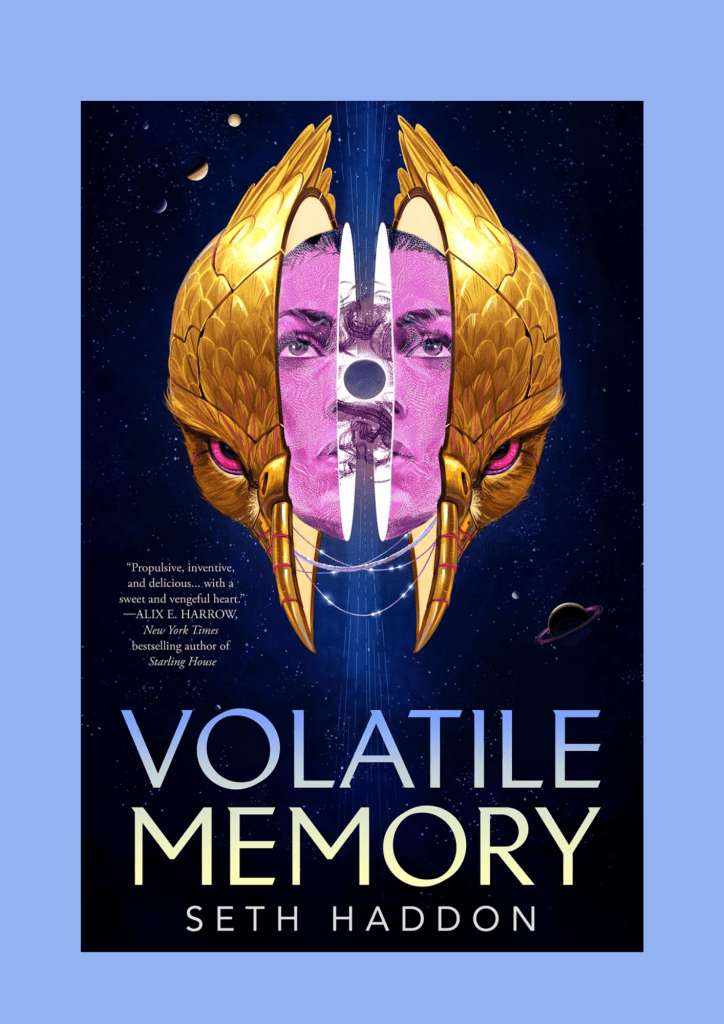
When she happens upon a dead body with a Hawk mask after following a beacon, scavenger Wylla knows it could be the thing that saves her, from the payout alone. What she doesn’t know is the mask is alive, retaining the memory of the wearer long after their death. That person is Sable, whose consciousness has been transferred over to the mask but she doesn’t remember anything before Wylla, just flashes of a life previously lived. With an advanced technology now in her grasp, Wylla must decide to stay in the shadows or take a stand against the group that resulted in Sable’s death and revenge of course is the sweeter option. Volatile Memory is exemplary science-fiction and the fact that it is a novella is just a bonus. Traversing deep into the boundaries of identity and body autonomy, Seth Haddon’s Volatile Memory feels both cathartic and startlingly relevant. Wylla, our main character, has clawed her way to her identity, shaping a body that belongs to her in a world that controls every aspect of your identity down to your genetic code. Accepting her trans identity goes against everything she has been told to be, and yet Wylla has done everything to live fully as herself. Haddon contrasts this through Sable, a woman whose physical body was violently ripped away from her to become housed within a mask. Yet she is so much more than a mere mask. Told entirely in second person, this novella floored me with the sheer love wrapped up in the recounting of events, and that is all from Sable. Volatile Memory is an exhilarating window into survival and existence, whether it can transcend the physical body to become something unforeseen, but no less powerful.

Buy a Copy:

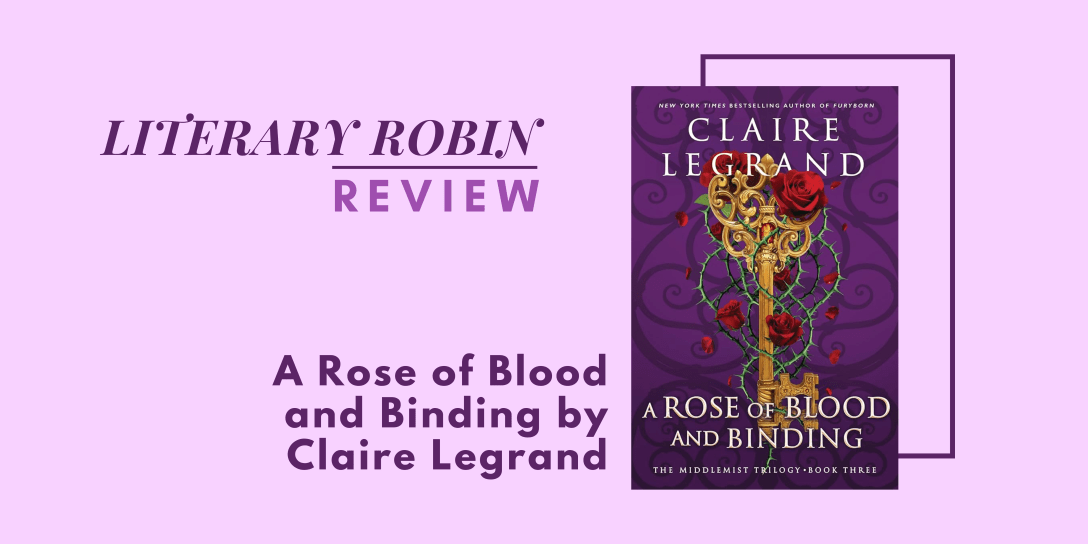
Review: A Rose of Blood and Binding by Claire Legrand

Please note this review contains spoilers for the former books in this series, A Crown of Ivy and Glass & A Song of Ash and Moonlight, and contains references to some of the events in this sequel. Read with caution.  

Rating: 5 out of 5.

As the Middlemist weakens—the protective barrier between the new country and the old, so have olden creatures found their way into Edyn. The last line of defense is the Order of the Rose, a sect of female warriors tasked with protecting the Middlemist for generations. Mara Ashbourne has been bound to the Middlemist for twelve long years, ever separated from her family and built to be a weapon in the hands of its Warden—the famed leader of the Order who can call her Roses to battle through the bond they share, transforming them into a mix of warrior and beast. Though monsters run rampant through Edyn, it is the awakened gods who present a far greater threat. Hunted by a vindictive god named Kilraith intent on destroying them and harnessing a war on humanity, these awakened gods are the next stage of Kilraith’s assault. As demigod daughters to the goddess Kerezen, Mara and her sisters are the ones tasked with hunting them down before he can. When a sect of scholars arrive in Rosewarren to provide aid, Mara faces the rakish, fiercely intelligent Gareth Fontaine, librarian and close friend to her sister. Cloaked in a facade of confidence, Gareth’s experiences speak to a greater sorrow that mirrors her own, and he decides to help her in her task. Torn between protecting those she loves and her alliance to the Warden, while a deeper connection builds with Gareth, Mara toils to bridge two worlds before the Middlemist falls and with it herself, bound to its fate.

Regency style romance in a fantasy world with awakened gods, cursed artifacts, rival families, and a legendary group of female warriors tasked with protecting the barrier between realms are integral to Claire Legrand’s Middlemist Trilogy. A true romantic fantasy jewel, A Rose of Blood and Binding is this trilogy’s final battlecry as the middle Ashbourne sister Mara and the delightfully rakish librarian Gareth Fontaine get up to shenanigans while on the path to uncovering the cursed objects of a violent God. Legrand has an innate talent for the middling spaces—where romance meets fantasy, fantasy meets historical, and all three intertwine in a potent atmosphere in her Middlemist trilogy. The stakes are unquestionably elevated after the events concluding A Song of Ash and Moonlight, in which our crew destroyed the human embodiment of a god alongside Kilraith’s cursed object. But who better to pick up the unbearable weight of it all than a middle sister am I right? Bound to the Middlemist and taken far from home, Mara Ashbourne is our slightly broody, sometimes avian, and decidedly bisexual heroine tasked with saving the day and bringing this series to a close (no pressure though). As the Middlemist weakens and our characters stand united, Claire Legrand evinces that it is our bonds that far outweigh any evil, and in fact they may be the very thing that saves us end-all. 

Something about the warrior scholar pairing is really working overtime this year and A Rose of Blood and Binding is no different in that regard. Maybe it’s the contrast between blood and violence of the warrior and the buttoned up bespectacled hero thrust into the action, doomed to come out the other side irrevocably changed. Either way I am into it. With crumbs for her future romance arcs scattered across the narratives of her past novels, imagine my surprise in the reveal that Mara Ashbourne would find romance with our resident librarian Gareth Fontaine. Up until this point, Mara was an enigma, a presence flitting in and out of the narrative, followed by an aura of immense sorrow. That and undeniable middle sister energy. I was elated for all things Mara in this finale and Legrand does not disappoint. A Rose of Blood and Binding sees the barriers of the Middlemist weaken and Mara in the center of it all, to confront the danger or succumb to the unbearable weight of her charge. Soldiering the burden meant for her younger sister twelve years past, Mara is for all the middle sisters out there, speaking to those who bear the weight so that others won’t have to do the same. Burdened by duty and unable to see a way out, this finale is as much about bringing an end to Kilraith’s assault as it is liberating Mara with a life of her own choosing.

Behind every fearsome woman with a sword (who can also turn into a bird) is a bespectacled scholar who will do anything to save her. But first, a reluctant alliance must emerge. To establish this dynamic between Gareth and Mara, Claire Legrand pulls a classic historical romance move: a ball where our two characters come face to face. The vibes are anything but light (I mean the Middlemist is breaking apart and everyone is stressed), the flirtatiousness is dialed up to the max, and Mara doesn’t really want anything to do with Gareth—who is nothing more than a prickling annoyance in her side. It was at this moment that I was entirely invested. Legrand has always been adept at her character dynamics, because beneath their facades there is always something more. Mara and Gareth seem to have absolutely nothing in common past a desire to solve their godly problem, but it soon becomes evident just how similar they really are. Beyond their fragile alliance to hunt down the cursed objects of Kilraith, Gareth and Mara are haunted by past traumas and lingering depression—Gareth after surviving the horrors of Mhorghast where his body was used against him, and Mara through her continued isolation and loss of autonomy at the hands of the Warden. Legrand juxtaposes this struggle with autonomy and the conflict of perseverance between Mara and Gareth both and it is as essential to their romance as it is to themselves.

Bewildering, stoic Mara faces down olden creatures, gods, and her corrupted mentor, finding solace with an opinionated scholar and notorious flirt while on the path to destroy an ancient god. In Claire Legrand’s, A Rose of Blood and Binding, her cast of characters confront an ever fracturing world as they attempt to bridge their places within society with their link to the gods—before Kilraith descends upon them and lays waste to all they hold dear. A Rose of Blood and Binding is certainly the darkest of the three novels, set in the time after freeing their companions from Mhorghast and destroying another of Kilraith’s anchors. Legrand contrasts these darker themes against a budding romance between Mara and Gareth, and continued moments of sisterhood from our core trio. But where this third novel particularly excels is in its representation of depression, centered around Mara and Gareth both. The struggle with mental health and depression is an irrefutable reality for both of these characters and is a large part of this final journey into the Middlemist where they must reach past their traumas to claim a life side by side. Mara and Gareth, while initially an unlikely pair, find comfort, commonality, and finally romance together. This green flag of a man who loves books and appreciates a good stew is perfectly paired against a brooding warrior used to soldiering everything alone. A romance filled with all the tension you’d expect from such a pair and the angst Legrand is known for. Dark, hopeful, and irrefutably romantic, A Rose of Blood and Binding is an unparalleled fantasy romance with a beating, yearning center. A true delight from start to finish, and a series to hold close for all time.

Thank you to Netgalley and the publisher for providing me with an advance review copy.

Trigger warnings: discussions of self harm, suicidal ideation (both passive and active), depression, torture, blood, death, murder

Preorder a Copy – Out 24th February

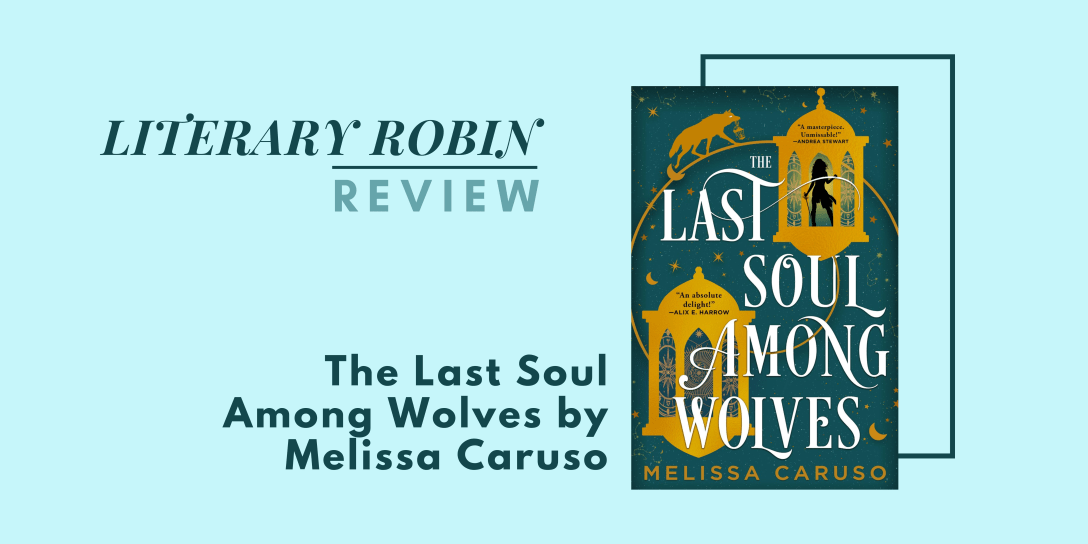
Review: The Last Soul Among Wolves by Melissa Caruso

Rating: 5 out of 5.

Months after surviving a deadly New Years Eve party, Kembral Thorn is tired. All she wants is to be home with her newborn daughter and to have time to romance her former rival turned girlfriend, Rika Nonesuch. But as a member of the Hounds she is called to weigh in on an important will reading by a friend in dire need. At a decrepit mansion on an island accessed only by low tide a wealthy matriarch has died, leaving behind an unlikely inheritance. Brought to the island to witness, Kembral comes face to face with an unlikely group—her friends from childhood, most of whom she has not seen since, and all of whom are the potential inheritors. When the will is read, a violent inheritance is revealed concerning three relics, a ledger, and a coveted wish gained by crossing off all the people in the ledger until there is a lone victor. With no choice but to solve the case before her friends are all killed, Kembral finds herself back in the action and at her side, her girlfriend and rival, Rika Nonesuch. But uncovering the mysterious lantern of souls and the wolf who guards it will require Kembral to return into the dangerous echoes only a few months after naming the Crux year. Her blood will be a beacon to all beings across the echoes, but getting ahead of the machinations of an immortal foe will require scheming and quite a bit of danger of their own, if they are to survive.

Melissa Caruso’s, The Echo Archives returns with The Last Soul Among Wolves, commencing a mystery involving cursed relics, rival sapphic agents, and empyric beings, across multiple layers of reality. After the absolute triumph that was The Last Hour Between Worlds I wondered how this sequel would fare against such an exemplary series debut. A locked room murder mystery across a repeated hour of New Years Eve is hard to beat. Yet Caruso holds true to her characters, introducing a new layer to an already compact narrative and another impossible mystery to solve. A new locked room mystery of sorts is at play in The Last Soul Among Wolves, with a sequestered manor and a race to track down a wolf and a lantern of souls before time runs out and everyone is killed. Characters Kembral Thorne and Rika Nonesuch find their balance in this second installment, seasoned to the lower echoes and the conspiracies present at all levels of reality. But true to Caruso’s style, this mystery is anything but typical and as new elements are revealed they are forced to compromise and take unconventional steps forward. For anyone loving a well plotted mystery cloaked in numerous realities ever increasing in weirdness, The Echo Archives has this formula locked down. The romance is romancing, the mystery is uncanny, and all of it aligns a perfect finale like dominos ready to fall.

The Last Soul Among Wolves is just: two former rivals now girlfriends finding themselves the victim of yet another locked room murder mystery. Where solving said mystery is contingent on them returning to the alternate layers of reality only two months since they almost died. The Echo Archives would not be nearly as strong as it is without its solid character work. From our main perspective Kembral Thorne—Hound and mother, to her enigmatic rival: Rika Nonesuch, our potential murder victims, and a babysitting Elder dragon, Caruso has it all in hand. Alongside these individual character arcs, what makes this sequel so great is the unveiling of just how much the first novel laid the foundation for the second. Taking fruition in the depths of reality with an empyrean—the most powerful of all Echo beings— intent on control at any cost, The Last Soul Among Wolves reveals its holdings lie prior to the events of this novel. Caruso’s twists always land with the finesse of a blink step and unsettling as the very fabric of reality shifts and resettles. Digging deeper into the empyreans, the echoes, and the heartwarming relationship between Kembral and Rika, this sequel reinforces this unique fantasy world and all its idiosyncrasies. Even with new characters to discover the heart and soul of the Echo Archives remain our disparate but remarkably compatible duo finding romance between the danger. Often with no regard for the danger itself.

The intersection of mystery and fantasy is being well supplied this year and Melissa Caruso is the one leading the charge with her Echo Archives trilogy. The Last Soul Among Wolves is second in a line of extraordinary fantasy mysteries featuring unconventional characters at the helm and bonkers plotting (in the best kind of way). A little bit of Knives Out, an abundance of murder and contrasting realities, and you’ll find there is nothing quite like this mystery series. Though connected to the first novel, The Last Soul Among Wolves is an entirely new pitch than its predecessor. For one, we’re no longer stuck at a New Years Eve party for an entire book, but instead a will reading hosted in a mansion with cursed heirlooms and a collection of mismatched personalities stuck inside the manor until the case is solved. After an entire book orienting us to the Echoes and the dangers present at the lower levels of reality, it’s refreshing to get more insight into the runnings of this world and the inter Guild politics. A big part of this sequel is reconciliation for Kembral and her friends from childhood, and Rika and Kembral pursuing a romantic relationship while staying true to their Guild alliances. It’s a tough line to straddle and Caruso makes sure to tie it to some of her larger revelations. With The Last Soul Among Wolves the main word that comes to mind is “exceptional.” It’s the kind of book to venture into boldly and enjoy recklessly like all the best adventures are.

Thank you to Netgalley and the publisher for providing me with an advance review copy.

Trigger warnings: death, murder, blood, grief

Buy a Copy:

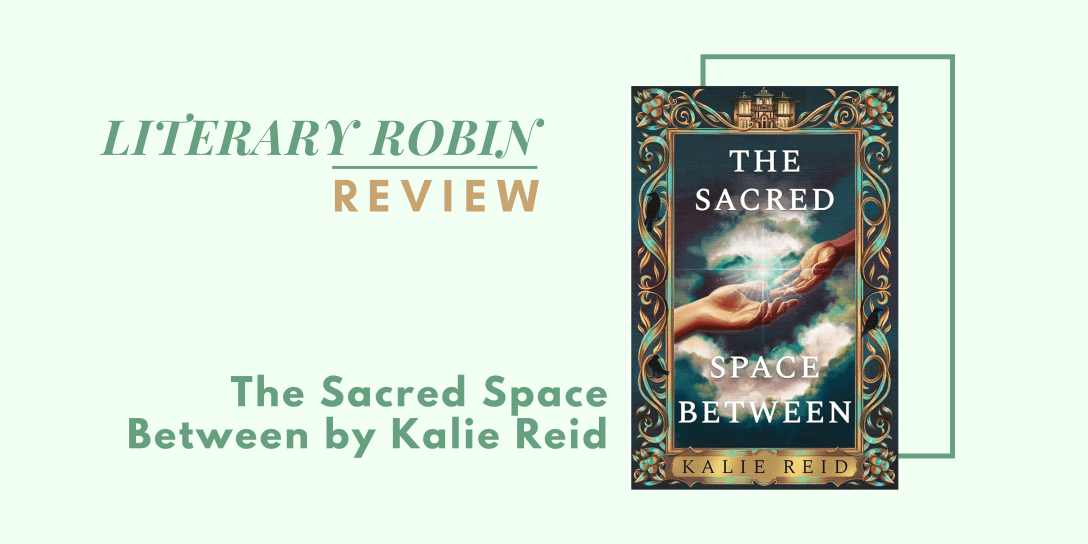
Review: The Sacred Space Between by Kalie Reid

Rating: 5 out of 5.

A devout acolyte trained in iconography, Maeve has dedicated her life to upholding the saints through her artistic talents. Sequestered away at the Abbey, Maeve lives in a constant state of isolation, prayer, and devotion. After a decade in the Abbey and many years honing her craft, the opportunity to replace the lead iconographer, Brigid, is finally within her grasp, until her mentor, Ezra, gives her a daunting task. Far away from the Abbey’s walls a saint lives in exile, defiling the Abbey’s teachings and tainting the miracles of the saints. His name is Jude and he has long lived under the Abbey’s thumb, never far enough to escape its influence. Maeve is tasked twofold: paint an updated likeness of Jude while using her place within his household to acquire information on his wrongdoings. Desperate for a chance to prove herself, Maeve leaves behind the Abbey and travels to Ánhaga, a house on the outskirts of the Goddenwood. There, Maeve meets Jude, and he is nothing a saint should be. For one, he is just a boy dabbling in heretical notions. Second, Jude is intent on driving Maeve away, by any means necessary. When Jude discovers that Maeve possesses the very saintly abilities coveted by the Abbey, he realizes they have more in common than he initially thought. Together they could bring the Abbey to its knees, provided they don’t betray each other and can avoid becoming martyrs themselves.

The Sacred Space Between is a miraculous novel, far exceeding the tainted magic of saints to place an expert brush upon the experiences of loneliness, religious trauma, and the ever constant quest for belonging. With reverent hands Kalie Reid constructs her Abbey, its spires reaching ever upward and its arched cloisters replete with devout acolytes sequestered away to pray and to serve. It is here that Maeve, an iconographer, will be sent out on a mission to spy on a saint in exile and come to uncover the truth of the magic bequeathed to their saintly figures and the rotten center of her faith. Interrogating faith and its power to uplift and to subjugate, Reid’s debut dares to tear away the facade from religion, exposing the lies and the many lives impacted in service to those in power. The Sacred Space Between is about systems of power, yes, but it’s also about the power found in human connection and the moments where we find belonging and kinship with others. It’s a story full of immeasurable yearning—yearning for things to be different, yearning to find your place, for your autonomy, and yearning for the unfriendly exiled saint you are forced to spy upon in an isolated gothic manor house. Kalie Reid’s The Sacred Space Between is exquisitely rendered, drawing readers into the contentious space between a heretical saint and a devout iconographer that is not just reverent but holy.

While The Sacred Space Between is a romantic fantasy, at its heart it is a gothic with all the brooding atmosphere and descriptive imagery to move me unlike any other. The wildswept fog ridden moors on the outskirts of the Ánhaga, its wallpapered walls, and the hidden library of memories all paint a desolate picture of loneliness and melancholy central to Kalie Reid’s larger commentary. The house, Ánhaga, is a physical manifestation of the corruption at the heart of their faith, yet comforting all the same in these small spaces where tainted faith cannot reach. This is felt by Maeve and Jude’s perspectives both, but it is Maeve’s character in particular who presents an aching loneliness and an alienation tied so intrinsically to her beliefs. Her desire to be seen and trusted and remembered is a stark contrast to Jude, whose very faith has been perverted through his sainthood and physical abuse. The greatest desecration of someone’s faith is the abuse through faith itself, from the physical impact of Jude’s torture at the hands of the Abbey figures to the spiritual abuse of Maeve from her mentor, Ezra. Reid’s journey instills the necessity of faith as to question, to be allowed curiosity and have that accepted. But faith, sainthood, and iconography exist in a twisted cycle that exists to satiate the powerful and control those who dare to question the system they are a part of.

In The Sacred Space Between the way to break free lies in the hands of an exiled saint and an iconographer who hate each other (just a little). Trapped together in an isolated house with nothing but their conflicting agendas and personal ghosts for company, Maeve and Jude clash and retreat immediately and boy is the tension magnificent. Reid instills all of my favorite things into this romance, divisive views as a source of greater tension, overwhelming pining, and everyone’s favorite component: romantic yearning. As a lover of conflict in my romances, Maeve and Jude were constructed to drive me insane. Everything is held captive by their differing views as they interact and desire to know more about each other and that in turn only furthers the tension driving them apart. Yet Reid unites Jude and Maeve in a profound loneliness centered around their beliefs, initiating a quest to destroy the Abbey and return the magic siphoned from their saints. With Jude and Maeve’s bond cementing, so does our understanding of this faith and how saintly magic is controlled. Reid ties this all to religious iconography and it’s nothing short of marvelous. Religious iconography already harnesses its own kind of power, but adding in the layer of memory magic, and Reid’s stance is forever ingrained in the very paint used to bind the saints—and their magic, to the church.

The Sacred Space Between is its own artistic masterpiece. One that grabs you with two hands and forces you to look upon all that it has to reveal. For Kalie Reid that is the lasting impacts of religious trauma and abuse and the personal power found in taking something back for yourself. This novel presents many essential ideas around organized religion—how martyrs further religious fanaticism, the danger of blind faith, and the control gained in building someone up from nothing. This connects perfectly into the concept of memory magic harnessed through the iconography of their various saints. Art has power too, and here it acts as a gateway between saint and elder, magic and the believers. Memory in turn, allows these elders to abuse and control with impunity, as there is no one alive with the memory of what was truly done. If memory can be controlled so can these elders shape their acolytes and in effect own them and their faith. I love reading books that cause me to question, the ones that linger for days after I finish reading. This is essential to Kalie Reid’s debut. Even with all the romantic yearning, the kneeling, and the groveling, there is so much to sift through not just on the surface of the narrative, but far beneath. Limned a dark gothic atmosphere, this thought provoking romantic fantasy novel delves far into religious subjugation, iconography, and the weight of sainthood. Fleeting as mist, but made permanent through memory and saintly magic, The Sacred Space Between is one story to remember and find your way back to time and time again (just like Maeve and Jude).

Thank you to Netgalley and the publisher for providing the advance review copy.
Trigger warnings (provided by author): blood, death, religious trauma, gaslighting, emotional abuse, child abuse, scars, discussions of past self-harm, fire injury, panic attacks, suicidal thoughts

Preorder a copy – Out 4th November

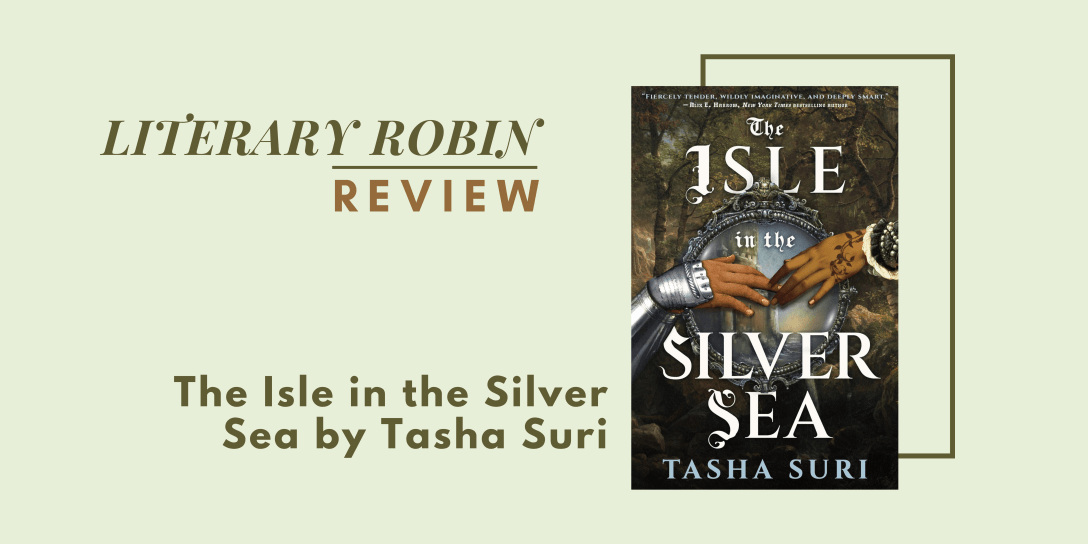
Review: The Isle in the Silver Sea by Tasha Suri

Rating: 4 out of 5.

There is an island in the sea that subsists itself entirely on stories retold. Lifetime after lifetime the characters from these tales are reborn to play out the narrative in an endless cycle, else the isle shall fall. For some this means fame or fortune, but for others its life in an enchanted wood as the evil sorceress, or a knight doomed to first kill his great love before killing himself. When she first arrived on the shores of this great Isle, Simran knew she was destined to play out the tale of The Knight and the Witch as the powerful sorceress incarnate. In this tale, a knight and a witch are doomed to love and to die at the other’s hand. Simran will do anything to escape this fate, but a story is a powerful thing and not even a determined witch can outrun it forever. One fateful evening, Simran encounters Vina, a dutiful knight to the Eternal Queen and undeniably the knight set to win her heart and end her life. Escaping Vina’s clutches, Simran travels home where she immediately confronts a murderous assassin intent on ridding the island of the stories that fuel its survival—and her story is next. Stealing away her close friend from childhood, Hari, the assassin gives her a task: find out his name, and discover why he cannot die. Too insurmountable of a task to accomplish alone, Simran must ally with Vina, her knight and intended killer, to discover the true beginnings of the isle and if they can rid themselves of its deadly fate.

Ensnared by a story takes a literal sense in The Isle in the Silver Sea, in which an island endlessly rebirthed through stories is doomed to fall unless a reincarnated supply of characters follow a tale eternal—down to the very letter. Tasha Suri’s newest fantasy standalone brings queerness, sapphic lady knights, witches, and sprawling libraries into the center focus and goddamn if it didn’t leave me wanting to fall into a never ending cycle of story (wherein I fall for a hot butch knight). That and exploring old books in a library hidden away in an ancient forest. Romance and violence are a double edged blade in this novel, as a witch and knight face down a fate that can only lead to one thing: their death. But knowing your fate is to die does not mean you cannot yearn at unprecedented levels, and Tasha Suri takes that challenge at its utmost. A pale assassin stalks the stories that have let the island prosper, but it is a set of archivists serving as the very architects of history that feel the most sinister. Tasha Suri examines the preservation of history, from those determining the fate of certain narratives to the construction of a nation. In a fictitious Britain intrinsically tied to story, Suri swings her sword at myths, monarchy, and a vicious nationalism intent on controlling the narrative by any means necessary. Even riding a nation of its “otherness” and anything antithetical to its agenda.

The Isle in the Silver Sea poses an essential question: who decides what stories are told, how they are designed, and how they are disseminated—and what happens when there are those that threaten this goal. Britain stands as the bedrock for Suri’s inquiry where stories are a fuel, both in the literal sense to ensure the island’s survival, and for the rhetoric that is kindle for an ever burning flame of a nation. Archivists pour over a plethora of the island’s written information, preparing a narrative where nation is everything and the crown triumphs because incarnates do their duty. There is no room for heresy, or outsiders questioning the way forward, and they are dealt with in a quiet violence as they are cut from the narrative. Certainly what unites the lady knight books of this year is the examination of storytelling as a deliberate act of mythmaking, and how stories can serve as a stepping stone for higher powers forcing their sinister agendas. It’s not that stories aren’t beautiful— when they have the space to flourish unrestrained—but that those that are carved out for some higher purpose will in turn be wielded as a weapon. Epigraphs at the start of each chapter mark a process where archivists determine the acceptable tales for mass consumption, and those that are a threat to the narrative they’ve constructed. It’s deliberate, it’s violent, and it leaves no room for new stories to take hold. After all, what is a nation if not a collection of narratives molded together to suit its own image. 

Ruled by a queen everlasting, this island constructed by story sees otherness as the true threat. No stories emerge from the outside, and no outsider is able to take up a prominent role within the narrative. Simran Kaur Arora, a witch from elsewhere, is thus a contradiction. A blip in the cycle that should have ensured a blonde and blue eyed witch play out the tale of The Knight and the Witch. But otherness is strength, as we well know. Against her deadly fate, Simran meets Vina, a valiant knight raised in service to the queen everlasting. If you’ve read a Tasha Suri book before you’ll be prepared for the friction between reluctant allies who maybe also want to kiss a little. That’s Vina and Simran in a nutshell, yearning for what cannot be while avoiding their feelings. When one’s fate is tied to their lover, to kill or be killed, you’d think there’d be no room for yearning. Tasha Suri is here to show us just how wrong that is—in fact it makes the yearning that much stronger. Between trekking through a disappearing forest, cutting down trees while exasperatedly saying your lover’s name, being captured by a group of rogue witches, and trying to save the isle, these two imbue romance. Some of my favorite passages with Vina and Simran are where the romance is unexpected and relates back to a crucial part of memory: the act or desire to document. This is essential to all that the Isle in the Silver Sea is trying to impart and just makes these interactions all the more romantic.

Tasha Suri’s legend crafting prowess is a vital part of The Isle in the Silver Sea: a story all about stories themselves. I’m not sure anyone else could have constructed such a glorious tale of reincarnated lovers breaking free from the narratives designed to control them and an island built upon stories. Ink stains, tattoos, old libraries, forests, and legends broken apart and remade are the scattered pieces brought together and unified within this novel. At the heart of this are the stories themselves, and Suri makes it clear: diversity of perspective and experience are what truly keep the island alive. In all parts of my reading experience, I viewed The Isle in the Silver Sea as a love letter to those who not only painstakingly preserve history but make it widely available. Not just the archivists, but the librarians who toil endlessly to help make information accessible (and are very much under fire right now). The Isle in the Silver Sea is another essential reading for the times we are in. Where inaccurate information is widespread and individuals are handed a narrative to suit someone else. In this regard, to question is necessary, and to seek the truth is a key part of resisting. The Isle in the Silver Sea shows just how affirming a story can be when entrusted to the right hands, and how dangerous when in the wrong ones. That otherness does not mean you cannot build a community or a story of your own, if you can at first pick up the pen.

Thank you to Netgalley and the publisher for providing the advance review copy.
Trigger warnings: death, violence, murder, xenophobia, racism

Preorder a Copy – Out 21st October

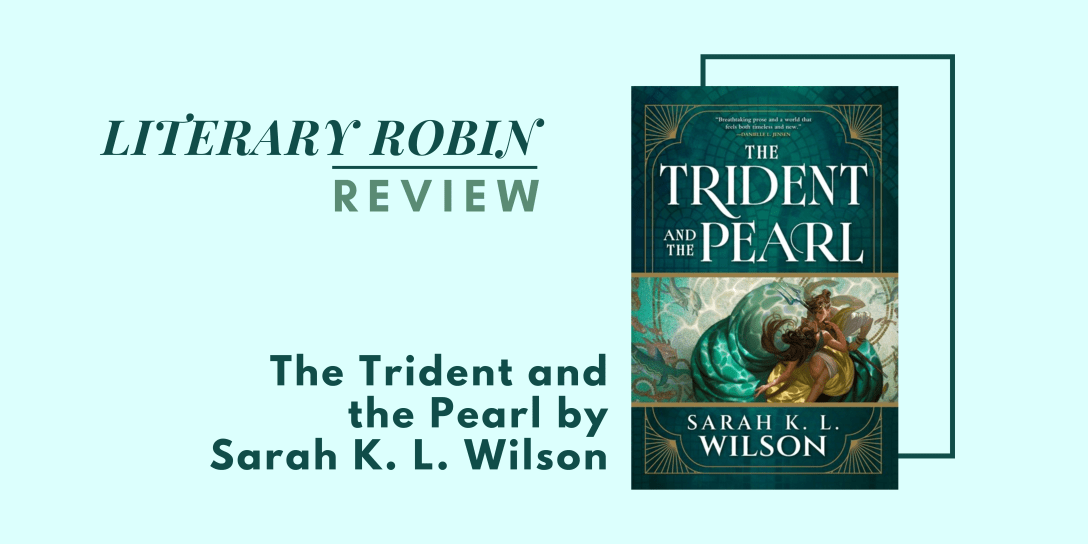
Review: Dawnbringer by Stephanie Fisher

Please note this review contains spoilers for the former books in this series, Shardless & Acolyte, and contains references to some of the events in this sequel. Read with caution. 

Rating: 5 out of 5.

Talya Caro survived an entire year within Queen Azura’s time loop, honing her magic for the threat to come, of which she knows precious little. Now reunited with Skylen and his wounded and demanding brother Kato, the three have begun the long trek back to Ryme through the wilderness. As Taly, Skye, and Kato return it becomes imperative they maintain the narrative that Taly is human and not the last of the time mages once hunted to extinction. Still reeling from the Shade attacks, Ryme has refortified but now a plague is sweeping through the human populace threatening so much more than just the shardless. In spite of the unrest, Taly is finally back with Skye, her friend and great love, and her family, which would be enough if not for her magic placing a target on her back. For Skye the knowledge that Taly will always be hunted draws him down a dark path where he risks harnessing a bloodcraft power that could destroy him from the inside out, if he is not first caught and imprisoned. Something stalks the shadows biding its time, and with the Aion Gate close to alignment Taly knows time is the one thing she doesn’t have—before lines are drawn and she is forced to decide what side she’s truly on.

Just me and my emotional support thousand page fantasy novel I’ve waited five years to read against the world. Dawnbringer is the long awaited third installment in Stephanie Fisher’s Tempris Pentalogy, a fantasy series set within an island sundered by magic where time mages are hunted and citizens are left bereft of the magic needed to travel between realms. A hodgepodge of fae realms—modern and fantastical, time mages gone rogue, zombie-like threats, and mages of all kinds mark this rare romantic fantasy series. Encompassed in a steampunk-esque world with regency social strata, it’s safe to say Tempris is atypical of anything else within this genre. Five years since the book that started it all, Shardless, and the cliffhanger of its successor, and this third installment is unquestionably worth every wait. Simultaneously the most romantic and traumatizing thing ever, Dawnbringer raises the stakes with a deadly plot spanning worlds and our spunky hero Taly at the center, trapped between her old life and a predetermined fate. Stephanie Fisher reunites her lovers Skye and Taly on the brink, with dark bloodcraft magic taking hold and timelines colliding. With time magic in the mix, the tension and angst are dialed up to the max and nothing is more devastating than being left in its wake.

After five years and six rereads of the first two books in this series, who is to say I don’t have a soul bond with the entire Tempris series? From discovering it during the depths of the pandemic to now, every time I reread Tempris I’m reminded of how excellent it truly is. Stephanie Fisher has a firm hold on her world building, character arcs, and romance—a virtuoso painstakingly taking apart her narrative and layering in lore, timelines, and differing streams of magic. Dawnbringer takes everything from the first two books and elevates it in an overwhelming mix of romance and emotional devastation. And I expected nothing less from Stephanie Fisher. We have timelines colliding, interdimensional beasts, a big bad threat: Aneirin or “Bill” (a nickname only Taly could have come up with), and just general tomfoolery ensuing. In the time since the first two books were published we were left with many questions. Mainly: what is the great threat closing in on the island of Tempris. At long last we have an answer, and the threat is indeed cataclysmic. With Taly facing down her fate and attempting to have it all, Dawnbringer acts as a stepping stone for the next stage of this series where its titular character is the deciding force in a timeline set before her birth. The secret recipe in this novel is tension, tension, tension, and it can be felt in every facet of the narrative.

Dawnbringer proves that families that destroy together stay together—for the most part. Where the first two books dealt primarily with Taly coming into her identity as a time mage and reconciling a violent past that led to the death of her biological mother and her uncle, Dawnbringer is altogether different. Back in Ryme, Taly reunites with her adoptive parents, Ivain and Sarina, and her cousins, Aiden and Aimee, friend and general nuisance respectively. There are plenty of difficult conversations and the reorienting of previous dynamics now that Taly’s heritage has been made known, but we finally get to see this family unit be just that—a team. How else are you supposed to trick an entire population of fae into believing a time mage is not walking amongst them? Two characters stole most of my attention in this sequel: Aimee and Kato, the brash brother of Skylen. Kato has been an unequivocal favorite of mine even before this novel but I can now confidently say I am begging for a romance between him and Aimee. Something about arrogant men and the mean women who hold them in check is a dynamic I crave deeply. As Dawnbringer progresses, timelines layer and future versions of our characters flit in and out of the present. In an action packed final act, Fisher tests her found family in a violent stand against the Sanctifiers as the opening of the Aion Gate looms ever closer and Taly is caught between her past and the choice hinted at so long ago. It’s as painful as I anticipated and yet somehow that did not prepare me for the weight of it, nor the aftermath.

Five years separate the publication of Dawnbringer from the beginning foundations of the Tempris series, but you wouldn’t be able to tell from the seamless way Fisher integrates her three novels and dawns a new era. Everything in this novel is heightened: the fate of multiple worlds, the precarious balance of the central timeline, and of course our star crossed lovers, Taly and Skye. While her family faces down a plague and an organization dedicated to eradicating those that can manipulate time, a darker threat emerges intent on harnessing Taly’s magic. With a thousand pages (at least in the ebook), no amount of page time is wasted as Fisher dives into the inner workings of Tempris and begins to uplift her previously called upon events—like the reveal of what Taly was asked to say no to by Queen Azura all those months ago. The interjections from Cori, the lil homage to Orphan Black, and the cute moments with Calcifer brought on some necessary humor to outweigh the darker parts of this novel. Speaking of which, Skylen’s descent into bloodcraft magic tied as an extent of his love for Taly. That he would willingly twist himself from the inside out just to have a chance at protecting her was not just thoughtfully developed, it was romantic as hell. In Dawnbringer, the last of the time mages takes a stand and Stephanie Fisher proves she has the power to not only take this series to new heights but to new levels of pain inflicted upon her readers. This series continues to be far too underrated for my liking. I lament both the ending and the fact that I cannot commiserate with others on that incredible cliffhanger.

Trigger warnings: death, blood, murder, violence

Buy a Copy:

Review: The Everlasting by Alix E. Harrow

Rating: 5 out of 5.

Her tale has been retold countless times, her sword a symbol for a nation unfettered, but where it all began is where it starts to get complicated. Scholar Owen Mallory has long been fascinated by the tale of Una Everlasting, a legendary knight who brought glory to Dominion through her quests and eventual death. One thousand years since and her tale remains entrenched in the minds of every citizen. Since then, wars have been waged, lost and won, to uphold Dominion and further its might. Returned from war scarred and irrevocably changed, Owen pours all of himself into researching the figure of Una Everlasting. In dreams, he finds himself lost in her story where he bears witness to her death countless times as if he was there. One day an unexpected item finds its way to Owen: a book—the book, which details the true events of Una’s life from the perspective of an unnamed but invested observer. Before he can get far into his research, the book is stolen, and Owen comes face to face with the person running Dominion behind the scenes, and her plan hinges on Owen playing a part he has evidently played before. Stabbed with a letter opener, thrust into the story, Owen finds himself beneath a tree with a sword against his neck, and the wielder of the blade is the woman that started it all. Una and Owen are an unlikely pair, but to break the cycle and wrest control of history they’ll have to hold fast to each other and a love that is worth so much more than the tragedy already written for them.

No, don’t be forever doomed to the cycle of violence where you die over and over again in my arms. You’re so sexy aha. Beneath the yew tree a knight and a historian meet, but they have no idea they’ve done this all before, the story is already written, and they’re doomed to follow it to its bitter end. Spanning the course of a thousand years in a never ending time loop, Alix E. Harrow’s, The Everlasting brings a lens on the inner workings of a nation and the bedraggled battle-worn knight as its Atlas, upholding its gilded promises. Like a beating machine with a rotten core, Harrow constructs the kingdom of Dominion and its stronghold obtained through a simple story, The Legend of Una Everlasting. In this tale an orphan becomes a knight, becomes a legend, raised to the side of a queen and struck down to further her reign. Told through various iterations of the deaths of Una Everlasting, Alix E. Harrow unfurls the power of stories, the cost of bearing witness by way of the pen, and the agendas of tyrants written into the very fabric of a nation’s history. The fantastical has its roots buried deep in Dominion and through this labyrinthine tale is the truth of a decaying land made known. The Everlasting is an Ouroboros, a tale with no true end or beginning, but for Harrow the cycle is a reflection of a violent nationalism and the story a sword to be wielded to further its complete and utter domination.

Tis the year of the lady knight and nothing pays testament to that quite like Alix E. Harrow’s, The Everlasting. Trapped in a time loop with a hot knight weary of her duty? A bespectacled scholar doomed to tell her tale and follow her to its bitter end? This is all I needed to hear to know that The Everlasting was going to be another unimaginable feat from Alix E. Harrow and one of the best new fantasy novels of this calendar year. Harrow had previously struck a deadly blow with her mere thirty-one page short story, The Six Deaths of the Saint, so I was already in the afterlife before I even began reading this extraordinary tale. There’s something so devastating about the inevitable, and in The Everlasting inevitability is the blade held to the throats of a knight and a scholar brought out of time to birth a kingdom and its sinister agenda. Contrasting the perspectives of Una, our knight everlasting, and Owen Mallory, a former soldier turned enthusiastic historian, Harrow constructs a story of heroic feats and the power in weaponizing the words upon the page. Fearlessly layered with innumerable stories within a story, The Everlasting holds a mirror to the narratives we cling to and the identities and ideation birthed through their telling. A story is a powerful thing and for the Everlasting the importance lies in its construction and every event continuing on in an endless cycle.

Told almost entirely through second person, The Everlasting allows the reader a chance to feel the catalyst of a story becoming myth. Myth-making is an active task within this novel, and part of that is the writing of the story, where every word is poured over and deliberate in its casting. Battles are embellished and the very essence of Una Everlasting pared down to prop up Dominion and one woman’s hunger. But it is Una Everlasting who truly upholds this nation. Her body bears the physical brunt of the wounds of the land and its assimilated peoples, her scars a reflection of the true violence being inflicted. Reading The Everlasting is to confront the abject pain of the writer addressing this figure, accompanied by a keen sense of loss in knowing that Una will forever be doomed as a martyr. Behind every myth is a person bearing witness and Harrow highlights the narrative as a reflection of the teller—a sum of their fears, wishes, and innate biases. For Owen: the desire to deny Una’s death in some manner, to make it mean something. Minor details within this tale aren’t so minor, and one of the more clever moments is in the character motivations and backstories that shift with every iteration of the cycle—leading to protests in the present day, rampant xenophobia, and calls to reinstate the monarchy. The justification in the othering of entire communities through hateful rhetoric isn’t just an intangible idea in the Everlasting, it’s baked into the story underpinning this nation and its citizens.

The Everlasting is not just an inventive fantasy novel, it is a crucial warning for our time. Lady knights, time loops, and an anxious chain smoking historian whose job it is to bear witness and love her across time is just the pinnacle of this narrative exposing the roots of story and laying bare the flawed parts of a nation. With so many intricate layers entangled in one novel, The Everlasting is as interconnected as the rings within an aging tree, but altogether much more convoluted with the recurring time loop of it all. There’s dragons, a mysterious yew tree, romantic yearning, and of course many occurrences of a tall buff lady knight wielding a sword and ending up on top. I would also be remiss to not mention my king Owen punching a fascist in the face. Thank you, Owen! The Everlasting takes a winding approach in exposing the power of a single story in burgeoning a nation’s fascism. Victims extend far beyond our star crossed duo with professors, battle-scarred citizens, and children bearing the brunt of Dominion’s harm. Owen’s perspective in being part of a country that will always hate some part of him is an agonizing truth to this story where rhetoric is not so easily changed even as history transforms. Concerning stories and their ability to affirm, justify, and embolden our views, The Everlasting returns the sword to the hands of a weary knight shaking off the mantle of a martyr to become something entirely of her choosing. Like most Alix E. Harrow novels, The Everlasting left me sobbing and I can find no desire to pick up the pieces and leave it all behind. I’ll be beneath the yew tree if you need me.

Thank you to Netgalley and Tor Books for providing me with an advance review copy.

Trigger warnings (majority provided by the author): blood, death, violence and injury, war, racism, homophobia, xenophobia, sexism, pregnancy and childbirth, animal death (off-page), dysphoric emotions about gender, imperiled/abandoned children

Preorder a copy – Out 28th October