Her tale has been retold countless times, her sword a symbol for a nation unfettered, but where it all began is where it starts to get complicated. Scholar Owen Mallory has long been fascinated by the tale of Una Everlasting, a legendary knight who brought glory to Dominion through her quests and eventual death. One thousand years since and her tale remains entrenched in the minds of every citizen. Since then, wars have been waged, lost and won, to uphold Dominion and further its might. Returned from war scarred and irrevocably changed, Owen pours all of himself into researching the figure of Una Everlasting. In dreams, he finds himself lost in her story where he bears witness to her death countless times as if he was there. One day an unexpected item finds its way to Owen: a book—the book, which details the true events of Una’s life from the perspective of an unnamed but invested observer. Before he can get far into his research, the book is stolen, and Owen comes face to face with the person running Dominion behind the scenes, and her plan hinges on Owen playing a part he has evidently played before. Stabbed with a letter opener, thrust into the story, Owen finds himself beneath a tree with a sword against his neck, and the wielder of the blade is the woman that started it all. Una and Owen are an unlikely pair, but to break the cycle and wrest control of history they’ll have to hold fast to each other and a love that is worth so much more than the tragedy already written for them.
No, don’t be forever doomed to the cycle of violence where you die over and over again in my arms. You’re so sexy aha. Beneath the yew tree a knight and a historian meet, but they have no idea they’ve done this all before, the story is already written, and they’re doomed to follow it to its bitter end. Spanning the course of a thousand years in a never ending time loop, Alix E. Harrow’s, The Everlasting brings a lens on the inner workings of a nation and the bedraggled battle-worn knight as its Atlas, upholding its gilded promises. Like a beating machine with a rotten core, Harrow constructs the kingdom of Dominion and its stronghold obtained through a simple story, The Legend of Una Everlasting. In this tale an orphan becomes a knight, becomes a legend, raised to the side of a queen and struck down to further her reign. Told through various iterations of the deaths of Una Everlasting, Alix E. Harrow unfurls the power of stories, the cost of bearing witness by way of the pen, and the agendas of tyrants written into the very fabric of a nation’s history. The fantastical has its roots buried deep in Dominion and through this labyrinthine tale is the truth of a decaying land made known. The Everlasting is an Ouroboros, a tale with no true end or beginning, but for Harrow the cycle is a reflection of a violent nationalism and the story a sword to be wielded to further its complete and utter domination.
Tis the year of the lady knight and nothing pays testament to that quite like Alix E. Harrow’s, The Everlasting. Trapped in a time loop with a hot knight weary of her duty? A bespectacled scholar doomed to tell her tale and follow her to its bitter end? This is all I needed to hear to know that The Everlasting was going to be another unimaginable feat from Alix E. Harrow and one of the best new fantasy novels of this calendar year. Harrow had previously struck a deadly blow with her mere thirty-one page short story, The Six Deaths of the Saint, so I was already in the afterlife before I even began reading this extraordinary tale. There’s something so devastating about the inevitable, and in The Everlasting inevitability is the blade held to the throats of a knight and a scholar brought out of time to birth a kingdom and its sinister agenda. Contrasting the perspectives of Una, our knight everlasting, and Owen Mallory, a former soldier turned enthusiastic historian, Harrow constructs a story of heroic feats and the power in weaponizing the words upon the page. Fearlessly layered with innumerable stories within a story, The Everlasting holds a mirror to the narratives we cling to and the identities and ideation birthed through their telling. A story is a powerful thing and for the Everlasting the importance lies in its construction and every event continuing on in an endless cycle.
Told almost entirely through second person, The Everlasting allows the reader a chance to feel the catalyst of a story becoming myth. Myth-making is an active task within this novel, and part of that is the writing of the story, where every word is poured over and deliberate in its casting. Battles are embellished and the very essence of Una Everlasting pared down to prop up Dominion and one woman’s hunger. But it is Una Everlasting who truly upholds this nation. Her body bears the physical brunt of the wounds of the land and its assimilated peoples, her scars a reflection of the true violence being inflicted. Reading The Everlasting is to confront the abject pain of the writer addressing this figure, accompanied by a keen sense of loss in knowing that Una will forever be doomed as a martyr. Behind every myth is a person bearing witness and Harrow highlights the narrative as a reflection of the teller—a sum of their fears, wishes, and innate biases. For Owen: the desire to deny Una’s death in some manner, to make it mean something. Minor details within this tale aren’t so minor, and one of the more clever moments is in the character motivations and backstories that shift with every iteration of the cycle—leading to protests in the present day, rampant xenophobia, and calls to reinstate the monarchy. The justification in the othering of entire communities through hateful rhetoric isn’t just an intangible idea in the Everlasting, it’s baked into the story underpinning this nation and its citizens.
The Everlasting is not just an inventive fantasy novel, it is a crucial warning for our time. Lady knights, time loops, and an anxious chain smoking historian whose job it is to bear witness and love her across time is just the pinnacle of this narrative exposing the roots of story and laying bare the flawed parts of a nation. With so many intricate layers entangled in one novel, The Everlasting is as interconnected as the rings within an aging tree, but altogether much more convoluted with the recurring time loop of it all. There’s dragons, a mysterious yew tree, romantic yearning, and of course many occurrences of a tall buff lady knight wielding a sword and ending up on top. I would also be remiss to not mention my king Owen punching a fascist in the face. Thank you, Owen! The Everlasting takes a winding approach in exposing the power of a single story in burgeoning a nation’s fascism. Victims extend far beyond our star crossed duo with professors, battle-scarred citizens, and children bearing the brunt of Dominion’s harm. Owen’s perspective in being part of a country that will always hate some part of him is an agonizing truth to this story where rhetoric is not so easily changed even as history transforms. Concerning stories and their ability to affirm, justify, and embolden our views, The Everlasting returns the sword to the hands of a weary knight shaking off the mantle of a martyr to become something entirely of her choosing. Like most Alix E. Harrow novels, The Everlasting left me sobbing and I can find no desire to pick up the pieces and leave it all behind. I’ll be beneath the yew tree if you need me.
Thank you to Netgalley and Tor Books for providing me with an advance review copy.
Trigger warnings (majority provided by the author): blood, death, violence and injury, war, racism, homophobia, xenophobia, sexism, pregnancy and childbirth, animal death (off-page), dysphoric emotions about gender, imperiled/abandoned children
I cannot believe it has been six months of 2025 already, but one more turn around the sun just means I now get to do one of my favorite blog tags: The Mid-Year Book Freakout Tag! For those unfamiliar, this tag is just a fun way for bloggers and book creators alike to reflect back on these six months as we look to the remainder of the year. I had THE best time doing this tag last summer (albeit a bit late), and I eagerly awaited getting to do it again the coming June. To me, this tag is my Oscar’s. I pour over the hundred or so books I’ve read with the audacity of the academy, but with a scathing unrivaled and conversely, many, many tears. I will cut one book off without a second thought, and cry when choosing between two books like I’m choosing between my children, there is no in between. I’m honestly just so excited to share these books with you all because somehow the books this year are even more stacked than the previous one. So let’s dive right in (pun very much intended, particularly with my first choice).
BEST BOOK OF 2025
If you’re surprised by this one you’ve either been living under a rock or you have not been privy to me yelling about this book at every opportunity. Kalie Cassidy’s debut is a glorious rageful song concerning one siren’s ambitions for freedom, not to be curtailed by the man she binds herself to to secure it, nor the forbidden feelings running beneath their siren bond. Kalie Cassidy has reenlivened the intersection of romance and fantasy, with an emphasis on romantic yearning, much to my delight. Whether you consider this romantasy, romantic fantasy, you name it, Cassidy excels at it all and yearning is very much the reason why. Imogen and Theo had me struck dumb at times with their arguing, misunderstanding, and achingly romantic interactions. One of the hardest things to do as a romance author is to build and maintain that tension to move the story and the relationship forward. Add in fantasy and it’s a whole other ball game. Kalie Cassidy’s, In the Veins of the Drowning is a masterclass on how to develop romantic tension while integrating that romance with plot within a fantasy world. This should be on your TBR. It should be on everyone’s TBR. The world is not ready! Read my review.
BEST SEQUEL OF 2025
Yeah uhhh we gotta get a book on here that tore the heart from my chest with zero remorse, or it’s just not accurate. Sara Hashem said “Hi that’s me” with the sequel and finale to her Scorched Kingdoms duology, The Jasad Crown. This one picks up right after the events of the first novel with hidden identities revealed, a violent showdown, and Kitmer’s taking flight in the melee of the broken citadel. Few series have embodied true enemies to lovers quite like Sara Hashem, who makes a point to start her characters Sylvia and Arin on completely opposing sides of a war on magic and a scourge against the Jasadi magic wielders—initiating a reluctant alliance and eventually a romance between them. Of course this would not be possible without bringing an end to Arin’s world view, a veil which Hashem gradually brings down into disillusionment and then finally decisive action. This duology does an incredible job depicting the violence of colonization and in growing up in hiding in the land of your oppressors. Identity is a huge theme for this novel—how we are shaped by our surroundings & upbringings and what it takes to truly change. From the magic, the world building, the character arcs, to the romance, The Scorched Kingdoms duology is extraordinary. Prepare yourself for plenty of angst, yearning, and an epilogue that will destroy your emotions. Read my review.
NEW RELEASE I HAVEN’T READ YET
So it’s pride month which means I have a huge TBR right now and no way of actually getting to them all. One of my most anticipated books from 2025 was certainly the new Ashley Herring Blake, Dream On, Ramona Riley. This kicks off her brand new small town romance series, Clover Lake. Following Ramona Riley, an aspiring costume designer stuck in her dead end town and Dylan Monroe, an actress and her first kiss as they reunite and spark a romance. I’ve been excited for this one since it was first announced and it is a crime that I haven’t picked it up yet. You can blame my Libby hold which has yet to make it into my library. All of Ashley Herring Blake’s former romances have been hits for me, so I have high hopes this will deliver. Whether I manage to read this in Pride Month or beyond, tune back in later for my thoughts.
MOST EXCITED FOR IN THE SECOND HALF OF 2025
2025 is the year of the lady knight and we have been blessed by the queen of sapphic fantasy herself, Tasha Suri. The Isle in the Silver Sea follows a knight and a witch doomed to destroy each other in every lifetime who try to break the cycle when a deadly assassin begins to target similar tales like theirs. Can they break the cycle, or are they doomed forever to the same fate that haunts them? Suri describes this as her exploration into British folklore, Arthurian legend, monarchy, myths, in one queer reincarnation love story and I can safely say I am obsessed with all of it. If there is one thing I am, it’s a reader obsessed with tales about breaking the cycle, or attempting to do so. Characters standing against the cycles of generations, or even time, is a compelling center of focus for any tale, and I know Tasha Suri will make it a worthwhile if not heartbreaking read. Sapphic knights and reincarnation is a combination I did not know I needed, but now I’m not sure if I can live without it. I already know Suri’s propensity for morally grey sapphics from The Burning Kingdoms trilogy, so it is actually impossible that this will not serve. I will even go as far as to say this is shaping up to be the best of the lady knight books being published in 2025.
BOOK THAT SURPRISED ME
One of the best books of 2025 certainly, but I have a rule about featuring a book more than once, so “a book that surprised me” is what is the most fitting for Antonia Hodgson’s, The Raven Scholar. Heavy on the mystery, intrigue, and fantasy, The Raven Scholar features a deadly series of trials to determine the empire of Orun’s new leader and a central mystery running underneath it all. Neema Kraa, our main character, unexpectedly finds herself as a contestant when a murder leaves the raven house without a contender and she steps in to take their place—all while trying to solve the murder herself. This book is a whopping 700 pages but every single page is so well thought out I never felt I was reading such a large tome. Perfectly paced, plotted, and expertly crafted in all, The Raven Scholar is unlike anything I have ever read before and deserves its spot on the best books of this year. What made this one so surprising is the content, yes, but also the myriad layers Hodgson weaves beneath her narrative that make themselves known at key moments of the text. Just when you think you’re getting the hang of the story or even the overarching whodunit, Antonia Hodgson will appear to show you just how wrong you are. I actually pictured her as a specter at certain points in the novel because some of these reveals were actually so diabolical. With the addition of an unhinged animal companion named Sol and a bunch of omniscient ravens observing the events of the book to round it out there is so much to love about this book. Everything about The Raven Scholar points to it being a fresh new type of fantasy novel, one I hope will take flight in the coming year. Read my review.
NEW FAVORITE AUTHOR
Harper St. George is a new to me author as of the past few months but I can safely say she is an unrivaled talent in the historical romance space. Focusing mostly on the Gilded Age era and following a series of American heiresses who travel to England, Harper St. George carves out a new arena through which she constructs her romances. I sped through her Gilded Age Heiresses and the first in her Doves of New York series after I saw Lydia Lloyd recommend The Stranger I Wed on her Instagram. That one was marriage of convenience excellence and just so so fun. But as a lover of the yearning, the aching for something that can never be, my favorite is decidedly, Eliza and the Duke, coming out next week! From the longing, the tension filled carriage rides (seriously youre not ready), every part of this novel felt written for me specifically. Harper St. George knows how to balance her romance, history, and external plot and the result is an exquisite historical romance. Whether you are a seasoned hist-rom reader or new to the genre, Harper St. George is a great author to try. I’ll be reviewing Eliza and the Duke soon so be sure to keep an eye out for that.
NEWEST FICTIONAL CRUSH
Me, Sybil, Rory, and a gargoyle named Bartholomew (a match made in heaven). In true bisexual form I am here to say my new fictional crushes are both Rory and Sybil from Rachel Gillig’s, The Knight and the Moth. Draped in divination and drowned in the fetid spring upon the tor, this gothic romantic fantasy brings new meaning to the cycle of power and religious subservience through Gillig’s two main characters Sybil Delling and Rory Myndacious. I love to see two characters at odds, especially when they are narrative foils for one another. It’s giving: you hate me because you can see yourself reflected in me, and that is rife for romantic yearning and conflict. Though we only get Sybil’s perspective across this story, I really loved following Rory, her love interest, who is on his own journey alongside hers. The devotion Rory has to Sybil is unparalleled and I promise you won’t leave this book without being completely obsessed with these two and their dynamic. Gillig had me from the moment Sybil tackled Rory (to his complete surprise). Anyway I love both of them deeply and the fact that Rory is based on one of my favorite singers, Tamino, just further proves he is worthy of half of my favorite fictional crush status. I’ll also file this under the lady knight books of 2025 for good measure. Read my review.
FAVORITE FICTIONAL COUPLE
When you have a man fighting a woman, who leaves him completely bloody with a broken nose and all he can do is smile? Oh we had a hit on our hands. The winner of my favorite fictional couple is without a doubt Sarah Hawley’s, Princess of Blood. Specifically her main pairing Kenna, princess of the newly established blood house, and Kallen, a former executioner and spy. This was going head to head with The Knight and the Moth for a good while, but given that Princess of Blood is a sequel it ultimately won out. That’s to say that I have spent more time in this world with these two characters and their dynamic has been able to grow substantially across two books. The character arcs of our duo really have the chance to blossom in this sequel after a coup leaves the throne empty and the fae houses divided. Princess of Blood questions leadership and if we can build a better world without violence, and Kenna and Kallen are at the center of this. As they are given the chance to become something, somebody other than what they were forced to be, the two find solace in their friendship that eventually develops into a romance. Kallen is giving that pathetic (affectionate) brooding love interest and Kenna is a powerful, yet somewhat frightened young woman thrust into a position she never expected. These two fight (verbally and physically), they comfort one another, and they lend each other a hand when they need it. Devotion and longing are always going to be sexy to me and Kenna and Kallen know nothing else than complete and utter devotion for each other. Don’t just trust my word, read The Shards of Magic series for yourself and find out! Read my review.
NEWEST FAVORITE CHARACTER
Do you want dark fantasy romance centered around two feral bisexuals? Well S.A. Maclean’s, Voidwalker is here to answer the call. When I first sat down to run my list for this tag, I immediately knew Fionamara Kolbeck was going to win the title of Newest Favorite Character. A smuggler who traverses a shattered world to make a living, Fionamara becomes embroiled in a coup to oust the ruling daeyari—a monstrous species that must consume human flesh to survive. After a bomb is detonated in the capital, Fi comes face to face with Antal, the overthrown Daeyari who insists she join him to make things right. Even when she is caught between a rock and a hard place, Fionamara still manages to get back up and fight for her survival, and the survival of those around her. Not only that, but she still has time to apply her cracking eyeliner, carry a powerful void blade, and look incredible. I admire her even more for falling in love with a pathetic freak (not a) man who hangs from the rafters in a bathrobe and hides inside a snowbank as not to bother her. Yes she romances a monster but she never compromises her principles and that is what’s important y’all! This book is all that I crave from fantasy and its main character easily the best I have read about this year! Read my review.
BOOK THAT MADE ME CRY
Never in my life have I cried at a book like this. If you want a book that makes you bawl with zero remorse, then may I present Jenn McKinlay’s, Love at First Book. When she is given the opportunity to assist her favorite writer from childhood in finishing her final manuscript, librarian Emily Allen uproots her life from Martha’s Vineyard and travels to Ireland. Once there, she meets Siobhan Riordan, beloved children’s author who has yet to complete the tenth book in her acclaimed fantasy series, and Kieran Murphy, her son and manager of the local bookstore. The last thing Kieran wants is another crazed fan following his mother around and enabling her unending writers block, but that won’t stop Emily from getting the job done, and worming into his heart in the process. On the surface, Love at First Book appears to be your classic small town romance, but it is that and so much more. This book is about old and new beginnings as we follow a young librarian fleeing her narcissistic mother to a new life, a terminally ill writer trying to complete the final book in a series that was a love letter to her son, and a bookstore owner desperate to keep his life intact. Love at First Book showcases the power in the written word in bringing unlikely people together, to better themselves and find community. It’s romantic, tragic, and an aching portrayal of loss. If you’re in need of a good cry look no further.
BOOK THAT MADE ME HAPPY
Sophie Kim’s sequel in her Fates Thread series, The God and the Gwisin, recently published this year and it has the honor of being dubbed, the book that made me happiest. For those of you who have read this series it may be a funny category to give the second book, but after such a tragic end to book one, the only way to go was up. Seokga, a fallen trickster god lost the love of his life, Hani, after she helped him destroy a demon of darkness. Yet, all was not lost as Seokga was promised the chance to reunite with Hani when she reincarnates to her next life. Searching for years in vain, Seokga’s fellow godly beings vote to send him on vacation—a cruise to be more specific, one that traverses the river in the underworld with the spirits of the recently departed. On board, Seokga meets Yoo Kisa, a deceased Gwisin working off a life debt, and Hani reincarnated. Only problem: she doesn’t remember him. Sophie Kim had a lot to live up to in this sequel and somehow she managed to outdo herself entirely. The God and the Gwisin is a phenomenal fantasy romance that manages to pose some intriguing questions alongside it’s overarching murder mystery and reincarnated lovers plot. I spent the entire time worried something terrible was going to happen to our main couple, but by the end I was so so happy. Seokga and Kisa are given the loveliest ending and I really could not ask for more. Read my review
BOOK TO READ BEFORE THE END OF 2025
When I think of a series that has been a complete and utter delight to read, Erica Ridley’s The Wild Wynchester’s comes to mind. In this chaotic historical romance series we follow an unconventional family, the Wynchesters, a set of orphan’s adopted by an eccentric Baron who in adulthood, use their combined powers to fight injustice and aid the working class. Each of these siblings is unique and given their chance to shine in their own romance, but I have been eagerly awaiting Jacob Wynchester’s book since the series began. Jacob charmed me with his beloved, if not inappropriate, animal companions and his proclivity for poetry. What I love about this series is how Ridley makes each novel a reflection of who these siblings are at their core and this one is primed to be a reluctant allies to lovers romance between Jacob Wynchester and the advice columnist who hates him. If this is anything like the other five, it’s sure to be a wild ride.
PRETTIEST BOOK BOUGHT
Am I breaking a rule by featuring a book that is not yet published? Maybe. But I preordered this so I am counting it towards my “Prettiest book bought” category. Alix E. Harrow needs no introduction. After her devastating 31 page short story, The Six Deaths of the Saint, was revealed to be a test for her greater story concept in her upcoming novel, I knew I was in danger. The Everlasting is on the list of lady knight books for 2025, featuring a lady knight doomed to a time loop and the determined historian attempting to change their fates. I don’t know much else about this novel and that’s kind of the way I like it with Alix E. Harrow. I snagged an advance copy of this novel and will be reading it in the next month or so. But in the meantime let’s admire that cover. I mean come on!!
Please note this review contains reference to some of the events in this novel. Read with caution.
⭐⭐⭐⭐⭐
Rating: 4.5 out of 5.
When she left behind her coastal village to attend the illustrious Marchmain Academy, Lacrimosa “Lark” Arriscane never planned to return home. Certainly not before securing the heavily coveted postgraduate curatorship at the city museum. On the cusp of achieving all she’s worked for, Lark is expelled from her boarding school for a violent incident and sent home. In a windswept cottage by the sea, Lark and her family have prayed for generations to Therion, the chthonic god who lords over the tides, the salt, and the woods bordering their lands. Upon her return, Lark learns that the salt mines that have afforded them wealth and security have run dry and her family is on the brink of financial ruin. The only way out is a bargain with Therion, their god, who promises to restore the mines in exchange for Lark’s hand in marriage. Against her family’s wishes, Lark agrees, but when the ritual goes wrong, Lark is left bound to a god and dragged in between the mortal and chthonic realm. Lark can no longer deny she needs help, but her only allies lie in Alastair and Camille Felimath, her former childhood friends and the family to whom the Arriscane’s owe a tremendous debt. Bound to a demon and drawn to her demise, Lark seeks to sever her bindings, but she may not survive the fate she was promised, nor the loves rending her heart in two.
Pulled in and weighted by a heavy tide, Lyndall Clipstone’s Tenderly, I Am Devoured is a reassuring ballad to the broken-hearted and anyone on the cusp of something strange and unknown. Rigged with brambles, salt, and sea foam, this perilous novel embodies a keen and overwhelming longing for that period when everything seems possible and yet somehow still entirely impossible to grasp. Tenderly, I Am Devoured has all the trappings of a story on the edge, what with its main character, Lacrimosa Arriscane, stuck between the mortal and chthonic realms, an old life and a new, and two loves competing for her heart. Ruinous as the very sea that borders the lands of Verse, Tenderly, I Am Devoured is a gothic horror romance that aches to reach a resting place forever out of reach. One I could not help but feel swept up in myself as Clipstone tethers her heroine to demonic gods and the unwise bargains they make with mortals. Tenderly, I Am Devoured is the gothic-horror-academia sibling to Ava Reid’s, A Study in Drowning, but given Clipstone’s unique authorial voice and intent. Transient as the middle place between adolescence and adulthood, the past and present both, Lyndall Clipstone traverses the places between—where myths are made real and where love is our strongest act of defiance.
Lyndall Clipstone’s, Tenderly, I Am Devoured is an evocative work of art. There’s no other way to describe a novel so carefully designed. It’s as if every detail was poured over and sculpted into this sharp gothic and dream fugued lighthouse to those lost and in need of sanctuary. Clipstone plants herself firmly in what she calls “Flower-threaded” horror and I think that is an apt comparison for a novel that so exquisitely bridges the amalgam of beauty and horror. Significant details play the boundary between beauty and grotesque—the chthonic liqueur staining the teeth in some kind of irrevocable marking of the divine, the power of the sea to buoy or to suffocate, and the dark salt mines made for prayer and for dark bargains. Every portion further imparts Clipstone’s unique blend of horror-romance and the contradictions she explores at the center of her work. Tied up in all of this is Lark herself, an Aphrodite-esque figure crafted through the power of the sea, clinging to a life of her own if she can free herself from a chthonic god. Very much here for the soft hearted heroines who don’t have to be perfect to be worthy, the ones who make mistakes and take charge without compromising the core of who they are. There’s power in softness and I know how personal it was for Clipstone to represent this through her main character. Lark wears her heart on her sleeve, and her depth of feeling appears boundless, a trait that echoes in the very fabric of this story and its decisive end.
Bordered by an intriguing mythology, a dash of academia, and disastrous bargains with the divine, Tenderly, I Am Devoured binds together a great deal in just one gothic fantasy novel. Yet, there’s considerable intent behind every single facet of this story and they are as tangible as if one could reach into the page and experience them firsthand. In concluding Tenderly, I am Devoured, bleeding hearts are laid bare as the past is exposed and the future safeguarded for our core trio. Lyndall Clipstone somehow manages to tie everything together in a way that is hopeful without veering too far into the realm of implausibility. There are costs for our characters which is true as life itself where going after anything you value is worth some kind of personal sacrifice. Among the weather-worn cottages and the luring waves, Clipstone reinforces this notion that part of human nature is to be adrift, but certainly we’re not meant to be alone. Chthonic gods, polyamorous romance, cults, and myth make up this gothic romantic fantasy that called to me like some kind of dark offering. From its intense academic setting to the haunting coast of Verse, Clipstone tests what we can weather if only we hold fast to each other against the storms ahead—even if one must at first give in to a god.
Thank you to Book Forward and the author for providing me with a physical advance review copy.
Trigger warnings: death, blood, murder, drowning, physical abuse, child abuse, death of a child, cults
Cybil Harding is cursed. The latest in a string of firstborn daughters fated to bring an end to the Harding family line, Cybil was not meant to live beyond infancy. Against all odds, Cybil survived. Raised in the isolated Harding Hall estate, Cybil is all aware of her strangeness, the various deaths in childhood she feels she orchestrated, the flames and shadows leaning towards her as if in prayer, and the whisperings of the servants within its halls. Miriam Richter is a creature of hunger. A mere shadow in human cloaking created long ago for dark purposes, Miriam must subsist off of human souls, and never has she seen a soul as alluring as Cybil’s. Souls have to be freely given however, and Cybil is not inclined to relinquish her soul—not even for the chance at removing her curse. But when an accusation of witchcraft leaves Cybil dead and Harding Hall in flames, all she wants is another chance at the life cruelly stolen from her. Thus the two bargain. Cybil will get as many years back as she lived and in that time must seek a cure for her curse, or her soul now magnified by her reincarnation will be Miriam’s to collect. Across the lifetimes, Miriam hunts Cybil intent on taking what’s hers, but the centuries have only emboldened Cybil to retain her soul, even if it means she must at first offer up her heart and what little remains of her humanity.
Drawing together Faustian bargains, gothic splendor, and reincarnation across three distinct periods of English history, As Many Souls as Stars is a historical novel for the ages and Natasha Siegel’s masterpiece. A witch desperate for survival bargains away her soul, a demon endlessly hungering for souls discovers the brightest, and both will be ruined in their association by journeys end. The Faustian bargain is not a new concept, not in the slightest, so to stake claim on such a tale is to promise something inventive and unique in the telling. In As Many Souls as Stars, Natasha Siegel ingeniously twists the Faustian bargain into a lesbian game of cat and mouse spanning multiple centuries and incarnations as an immortal and a witch engage in a toxic romance tinged with obsession. Cybil Harding and Miriam Richter, witch and demoness, hunger both—for love, for souls, and for the continuance of their survival. Drawn into a demonic bargain to suit their purposes, neither intends to lose the parts of themselves they believed intrinsic, nor ill-fated love taking flight. Questioning fate and personhood, Natasha Siegel’s As Many Souls as Stars is a tangled dance of violence, hunger, and destructive romance, in everlasting opposition as misguided bargains can ever be.
As Many Souls as Stars is a dark, resplendent jewel immersed in the gothic tradition and draped in midnight hungers. Demonic bargains gone awry, witchcraft, and obsession mark the beginnings of this expansive saga in which Natasha Siegel mercilessly binds a demon to a young witch clawing herself back from the dead at the cost of her soul. Where some novels take time to settle with you, As Many Souls as Stars is decidedly not one of them. A prologue illuminating the origins of our demon, and the opening lines “Cybil Harding was born on Christmas Eve, 1576, under inauspicious stars” immediately signaled to me Natasha Siegel’s storytelling caliber and exactly what was in store with this extraordinary tale. Siegel does not hold off a whit in building up her gothic romance that leans heavy on the enemies to lovers side of things. It’s been ages since I read a true enemies to lovers’ romance, something that threads the needle in between love and hate with a capable hand. As Many Souls as Stars takes that challenge and gives a lesbian relationship overflowing with want and drawn towards destruction, where the star-crossed love of a witch and demon comes second to their other desires.
I love a story traversing multiple genres, and As Many Souls as Stars takes up a bold space between historical fiction, fantasy, and gothic romance. Natasha Siegel has a firm hold on her narrative, depicting the three reincarnations of her character Cybil Harding and glimpsing Miriam’s interludes at key moments of history. Traveling the centuries, Siegel orchestrates the dance between these two fickle beings and their decline. So slow it could even be unnoticeable Natasha Siegel begins to track Harding’s descent into the loss of her humanity—in consequence to what was done to her and the bargain she made, and Miriam’s inexorable transformation towards it, drawing to her unmaking. The love brimming with hatred, the devotion that leads to violence, these are all things that appear entirely contrary, but Siegel proves in essence belongs to Cybil and Miriam’s volatile love. Cybil and Miriam clash and retreat across the years, a battle of wills neither will concede and made all the more precarious by their developing romance. I was immediately struck by their conviction, Cybil’s desire to survive and take back her life and Miriam’s commitment to her demonic ways. Misguided perhaps, but essential for their conflict and the incredible transformation brought about by its end.
In all of Cybil’s reincarnations as she is hunted by Miriam, Siegel explores the dichotomy between love and hate and its natural end—with only one of them holding the knife and the other destroyed. There’s always been hatred seething beneath Cybil and Miriam’s interactions but that is essential to the love they find together. Destructive love can be freeing in a way, and for Cybil it tethers her to a life of her own design, one she will fight for at any cost. Covering three lifetimes of Cybil reincarnating, Siegel questions not just if the cycle can be broken but if it can be accomplished without Cybil and Miriam as each other’s undoing. The natural end to any cat and mouse game is when one is caught, and Natasha Siegel gives us that with her fervent final act upon a ship headed towards New York. The setting of a ship with the salt spray and the incessant rocking was fitting, with Miriam and Cybil completely cut off from their resources and nowhere to escape. Miriam and Cybil were always going to destroy each other, we’re told that from the start, yet witnessing that destruction play out firsthand is something else entirely. I found my screams well matched with that penultimate scene on the crows nest, but just as shocking was Siegel’s life-altering final twist that cleverly flipped the script and sent me reeling.
As dangerous as a bargain and as haunting as any loss, As Many Souls as Stars is about hunger in all shapes and forms, and the risk in losing ourselves as we chase it. Sometimes you read a novel that feels torn from the very fabric of your soul, and how could this not be that. We’ve got sentient shadows, a lesbian demon who can turn into a raven (caw caw), gothic locales, and an enemies to lovers tale with a wonderfully unhinged ending. Basically Robin catnip. Natasha Siegel’s gothic historical fantasy echoes with female rage and a wild and unrestrained magic in the hands of an isolated witch and sardonic demon caught up in a battle of wits. Fashioning such a saga is an immense challenge, and it’s felt in every overwhelming detail of this novel. Immortals being humanized! Hungering for the very thing that can destroy you! Things coming full circle! This novel has all that and more. The singular pieces that come together to form this story are striking all on their own but together they have ruined me for all other books. As Many Souls as Stars is so many things, but it’s largely a story about what we’re willing to give up for our autonomy and where we find the power to take it. All other gothic fiction aspires to be like this and I will continue to be haunted in its absence.
Thank you for Netgalley and the publisher for providing me with an advance review copy.
Trigger warnings: blood, death, death of a child, gore, murder, suicidal ideation, misogyny, homophobia,
Please note this review contains spoilers for the former book in this series, Servant of Earth, and contains references to some of the events in this sequel. Read with caution.
⭐⭐⭐⭐⭐
Rating: 5 out of 5.
Put forth to be executed, betrayed by the man she thought she trusted, Kenna Heron expected to die by the magical shards that grant the fae their immortality. Instead a balance was righted for the destruction of Mistei’s Sixth House half a millenia ago, and Kenna, formerly human, is granted the mantle of princess to the once decimated Blood House reborn. Awakening to her new circumstances in the middle of a violent takeover, Kenna manages to kill Mistei’s corrupt ruler, King Osric, yet the power vacuum in the aftermath of his death only threatens further unrest. With her former lover and Void House’s heir aiming for the throne, Kenna knows not who to trust—except Lara, her exiled mistress and Kallen, the former King’s Vengeance. Kenna holds the deciding vote in who should rule Mistei but has reached a stalemate, while the six houses are fracturing against divided loyalties, and a distant cousin of King Osric is vying for the throne. All she ever wanted was to survive the cruel land of the fae, but in the footsteps of her death and rebirth, it’s no longer just about her own survival. With a deadly assassin haunting her steps, and Mistei teetering on the edge of civil war, Kenna will prove once and for all if she can bring balance to Mistei, or fall into darkness like those of a long forgotten house.
Sarah Hawley’s, Shards of Magic entraps six opposing fae houses beneath the earth to grasp at power and immortality while prey to the machinations of a merciless king. This series put down precarious roots in Servant of Earth, when Kenna Heron, a young woman, braved the treacherous bogs to cross into the fae lands, becoming servant and spy to the ignoble Earth House. Princess of Blood returns us to a world reeling in the aftermath of a bloody uprising and hinging on a civil war as loyalties sunder and forbidden love takes root within the cavernous underearth. With few weapons in her arsenal Kenna, newly turned fae, stands alone as princess of the broken Blood House. Armed with Caedo, a shapeshifting talking dagger with a thirst for blood, and two unlikely allies—an excommunicated Earth Fae rendered powerless, and a murderous Void Fae and executioner, Kenna will confront her new charge in a world seeking her destruction. I already knew the Shards of Magic series was doing something special back in book one, delicately connecting tropes and story cornerstones to deliver a unique fae touched tale of rebellion and survival. Princess of Blood is where my heart latched onto this series for good. Sarah Hawley brings a sequel into being that is bloody and unapologetic, equal parts brutal as it is a hopeful beacon for change.
Princess of Blood opens on the edge of Mistei’s uprising, as Kenna, formerly a servant of Earth House is irrevocably changed into a fae and must lead a once annihilated house out of the shadows. Where book one was entirely concerned with her survival, the overarching theme for this sequel is just as transformed—the characters left to fend for themselves within the shadows being thrust into the light, to change for the better or die trying. Sarah Hawley’s character work is at its prime in Princess of Blood as those broken against a cruel crown fight to create a better world. At the center of this is Kenna, whose startling persistence and narrative voice ensorcelled me from this series’ very beginnings, but who takes to newfound heights here in this sequel. Confronting betrayal, death, and now rebirth, Kenna walks the knife’s edge between success or failure for most of this novel, and like the knife itself steels herself against the violence that comes with her position. Kenna’s force of will is impenetrable even as she dodges assassination attempts and hedges her bets to reestablish a broken house. Princess of Blood challenges Kenna’s identity and personal loyalties at every turn, amidst a poignant query into leadership and the personal costs of rebellion.
Princess of Blood is exactly the kind of follow up I love, all about characters who concentrated on surviving for so long confronting a tumultuous future side by side. This sequel concerns all kinds of unconventional alliances, but none is more unexpected than that between Kenna and Kallen, an enigmatic void fae and weapon to a fallen king. Prior to this novel, the interactions between these two were few and far between, yet they were charged with something I couldn’t quite name. Kallen and Kenna have always been predisposed to be something more, and nothing, and I mean nothing, made that more evident than his awe at her coming into her power and murdering Mistei’s king, Osric. Their relationship may have begun with a wee bit of blackmail and cynical chats, but Princess of Blood elevates them to equal standing. Reeling from her new circumstances, cut off from the man who made his life, both Kenna and Kallen are a bit out of their depths with the current state of things. And god do I love how these two are entirely stripped bare of the roles they occupied prior to the events in this novel because that is where the real magic happens.
Now we all love a mysterious fae man with shadow magic, and Hawley provides this with Kallen, a man who has made the shadows his home for so long they are all he knows. More than a bit lonely, wishing for something he can never have, Kallen is the pinnacle of the tortured romance lead. His hidden depths gave this sequel a necessary anchoring, while slightly twisting the archetype of the brooding fae love interest. Despite the blackmail of it all, Kenna and Kallen’s relationship dynamic in Servant of Earth was deeply intriguing to me (maybe because of the blackmail if I’m being honest). Yet, it wasn’t until Princess of Blood that I unequivocally fell in love with his character. He was the breath of fresh air this book needed, getting oddly excited to spy on people in the catacombs, sparring with Kenna, and just giving her the support she needs as she faces her new situation. Kenna is entirely in control of her choices, but Kallen is someone she can rely on who gives her the space to breathe and say the things she often keeps inside. United in the loneliness of their stations and their call to bring about a better future for Mistei, Kenna and Kallen find solace in one another, and their ensuing romance is just as intimate.
The contrast Hawley draws between Kallen, a man born to be a weapon, and Kenna, a woman who had no choice in wielding the power she was given is a compelling center to the eventual romance. At the mercy of a violent king, Kenna experienced first hand the impacts of Mistei’s tyrannical regime and in Princess of Blood, sets about reckoning centuries of abuse. Kallen has always been hiding. From his father’s brutality, a king’s abuse, and his brother’s secret, all he has ever known is secrets and shadows in a world where to care about anyone is a weakness. This extends into his relationship with Kenna, who in his mind is someone who could be wielded against him if he allows people to see the depth of his feelings for her. Just as Kenna confronts her place as Blood House’s leader, Kallen confronts if he can ever leave his shadows behind to be more than just a weapon to be wielded. Love as its own kind of weapon is the vehicle for most of the conflict between Kenna and Kallen and I was eating up the tension like water in a desert. I am nothing if not predictable, but these two brought a different name to romantic yearning. I was enraptured by the dances, the heavy gazes, and the sexual tension teeming beneath the surface of their interactions. This sequel is for the real yearners because Sarah Hawley knows the hottest thing in the world is a man undone, and that man is Kallen.
Princess of Blood is a calculated dance of moves and countermoves, building to a blood soaked showdown not unlike its predecessor, but singular in its torment. I have this thing where if characters are getting overly optimistic about the future I start to hear alarm bells ringing and that was happening at several points in the final act of this novel. I went into the last few chapters with eyes half closed because I knew Hawley was going to pull something along the lines of the Servant of Earth ending—and I was right to. Currently seeking financial compensation for the emotional damages incurred (Sarah Hawley will pay for her crimes). Even knowing this, Princess of Blood is an all around phenomenal sequel. We get to see these characters challenged by their traumas, surmount difficulties, and ultimately be transformed by its ending. The Shards of Magic series is for the feral woman tearing down a flawed world to build a better one, while being loved for all that they are. In Princess of Blood, Sarah Hawley interrogates the complex morality of immortals and what we owe to those who suffered under the abuses of a crown. With a determined heroine and her bloodthirsty dagger on the scene, Princess of Blood is a chaotic continuation of The Shards of Magic series and will no doubt leave many on the edge as it certainly left me reeling in its wake.
Thank you to Netgalley and the publisher for providing this advance review copy.
Please note this review contains spoilers for the former book in this series, The Jasad Heir and contains references to some of the events in this sequel. Read with caution.
⭐⭐⭐⭐⭐
Rating: 5 out of 5.
Sylvia, the rightful Queen of Jasad, has taken back her crown. After years in hiding following the assassination of her family and the destruction of her kingdom, Sylvia gives up her anonymity to save her friends from a horrific fate. Before Supreme Rawain and Arin, his heir—a man who should have remained her enemy but became her greatest weakness, Sylvia revealed herself. Sylvia flees in the melee, but not before being struck down and captured by a fringe Jasadi rebel group known as the Urabi. Now, the Urabi have secreted Sylvia away to a mountain fortress where they hope to convince her to take a larger stand against their oppressors and return Jasad to its former glory. Between her alliance to her people and her connection to Arin, Sylvia plays a dangerous game. Her magic no longer suppressed by the silver cuffs flows free and if she’s not careful, threatens to drag her into the legendary Jasadi magic madness. If it’s not her magic destroying her sense of self, it’s the cost that reconstructing Jasad’s fortress will enact: her death. All Sylvia has ever known is her duty to a throne abandoned to fire, and as her duty is torn between her head and her heart, Sylvia could lose herself in being wielded as Jasad’s queen and weapon.
Sara Hashem’s Scorched Throne duology takes its final bow with The Jasad Crown, a finale that prompts a long awaited homecoming and deepens the distinct political landscape of four entangled kingdoms vying for power and one fighting to reemerge from the ashes. This Egyptian inspired high fantasy duology involving decimated kingdoms, ill-placed bargains, trials, and an enemies to lovers romance quickly solidified itself as an unrivaled fantasy series from a true talent. Stories of lost heirs reclaiming their thrones are a niche I have always adored and god if this isn’t one of the best I’ve read in recent years. The byronic heroes who lose themselves in exile before finally coming in from the cold have met their match in Sylvia, a guarded young woman and heir to a broken throne—with a proclivity towards sesame candies, daggers, and telling the Nizahlan heir what is. Sara Hashem picks up her sequel on the outset of Sylvia having revealed her identity, initiating a journey of renewal and fate. The political machinations of Nizahl and the corruption at the heart of these kingdoms are unleashed, fueling the tragedy of Jasad’s past and its uncertain future. The Jasad Crown stomped all over my heart without remorse, yet I would gladly give Sara Hashem the ability to do it all over again.
The Jasad Crown picks up on the wings of betrayal (in the literal sense), with Sylvia now captured and Arin abandoned, left reeling in her departure. This finale orients our characters to their new normal and Hashem gives new perspective to her ensemble cast after the destructive final moments that concluded The Jasad Heir. This world steadily becomes richer as it expands outward to new locales through the narrative pulled against our four characters, Sylvia, Arin, Sefa, and Marek, now on separate paths. Few protagonists are drawn by their loyalty to the extent that Sylvia is and The Jasad Crown frames this entirely in a new context. Hashem expertly contrasts the pain of a people desperately seeking a place, and the ties her characters hold to each other. For Sylvia, her loyalties fray more and more against her duty to the Jasad people and knowing that her loyalty will lead to her death. I loved how entrenched this was in Sylvia’s sense of identity and Hashem’s exploration into allegiance to one’s community. Seeing this push and pull as Sylvia oscillates between her conflicting notions of duty was an intriguing center for this finale, and one that played out in ways I never expected.
When I finished TheJasad Heir two years ago I hoped its sequel would rely on Arin confronting his part in the story and revealing his family’s involvement in orchestrating the fall of the Jasad Kingdom. Hashem gives the necessary space for this in her finale. If book one involved Sylvia uncovering the truth to her family’s crimes—the magic mining that siphoned magic from Jasad’s lower class, The Jasad Crown provides the other half to this puzzle. Even knowing part of the story previously, I was in no way prepared to see the planned attack play out, leaving vulnerable Jasadi citizens to the same fate they had been subjected to by their former rulers. Where Arin connects to this was another purposeful choice by Hashem. The glimpses beneath his seemingly inscrutable exterior in The Jasad Heir had effectively charmed me by its end. A cunning heir seeking to oust a group of rebels and play a political game against kingdoms, Arin is undeniably a fascinating individual, but someone Hashem had yet to interrogate fully. This sequel brings on the background I had been craving for his character, in his parental relationships, the cause of his inverted magic, and his heritage. Arin discovering his connection to Jasad is a painful revelation, but Hashem has built to this from this series’ first breath, giving it a necessary weight to the tragedies revealed within these pages.
There’s something about the way Hashem writes yearning that feels completely unprecedented. Her particular flavor of daggers at throats, intense gazes, and a desire to know someone takes shape through her main pairing and gave me new standards for romantic arcs in fantasy. Maybe it’s that these two characters are true enemies, their places have set them apart from the start and their world views appear impossible to reconcile. Despite the betrayal that put a wrench in Sylvia and Arin’s budding romance, this sequel deepens the romantic tension and determines if that is the case. Arin and Sylvia did not hold back in The Jasad Crown, at the cost of my fragile, fragile heart. If they’re not unexpectedly drawn back together by their magic or their competing abilities, they are yearning for a life together that is impossible to have. The contrast of Arin’s disillusion with his place, and Sylvia resigning herself to her fate is the bedrock for bountiful tension in the Jasad Crown. Arin really threw himself in the path of Sylvia and I expected nothing less from the man that gets to love this incredible woman. This man needed to grovel, and Sara Hashem gave us that in the most extreme way.
The Jasad Crown shredded me emotionally and that is the highest compliment I can bestow upon any book, this series included. Hashem holds most of her weapons until the final section of The Jasad Crown but the blade was sharpened and I was little more than a casualty in the path of her arc. This sequel intensifies Hashem’s inquiry to identity and community—determining if rebuilding a kingdom in its exact image is enough to change the wounds of the past, or will it just begin the cycle anew. Connecting this to the incarnations of Rovial and the magic leaking out of the world was another startling revelation I found only deepened the emotional impact of The Scorched Throne’s final chapters. As a lover of bittersweet endings, or endings that lean into the ambiguity, I was comforted by how Hashem chose to end her duology. After its final chapter I was but a puddle on the floor, but Hashem dragged me back to life with an epilogue that I can say confidently, forever changed me as a person. The Jasad Crown unmakes the fate of entire kingdoms and restores what was lost, but through unforeseen means. This series is for the readers who yearn to see two former enemies hold fast to love despite a world determined to see them at odds, and the headstrong woman shouldering a kingdom of responsibility finding love and liberation. If you need me, I will be on the floor for the foreseeable future, as Sara Hashem intended.
Thank you to Netgalley and the publisher for providing the advance review copy.
Trigger Warnings: blood, violence, death, execution, war, genocide, child sexual assault (off-page, but mentioned),
It’s my first fantasy roundup of the new year *gasp* and I am so excited to share all of the speculative fiction I have enjoyed in this first quarter of 2025. Fantasy has come second to romance these past few months but the ones I have read have really stuck with me. I have continued the trend of moving through my backlist of advance copies while interspersing some rereads to keep me out of the dreaded reading slump. On the reread front, I reread Shardless and the Jasad Heir ahead of their sequels publishing this summer. There are so many new books out this year and it’s so hard to keep up with all of them so I am committed to checking in every few months on here just to move through my favorites. So let’s get to it here with a chaotic fantasy debut, THE best friends to lovers fae fantasy of all time (I’m serious), a romantic fantasy novel brimming with unhinged yearning, an epic fantasy debut involving the powers of the ancestors, and a gay murder mystery fantasy mashup.
The Prince Without Sorrow by Maithree Wijesekara
If you like your fantasy heavy on the chaos and the vengeance, then Maithree Wijesekara’s, The Prince Without Sorrow is the perfect book. A young prince destined to inherit a legacy of tyranny and violence, and a mayakari witch outcasted for her magic become entangled after a curse gone wrong kills the reigning emperor. Now The Prince Without Sorrow is pure chaos. Love me a book where the characters have no coherent plan and are just rolling with the punches and coming up with ideas on a complete whim and that was the essence of this debut in the best possible way. Wijesekara plays with the paths, chosen and inherited and the notion of legacy across her debut with such skill. I loved seeing these characters grapple with their morality as they endeavour to right the past and be different from their predecessors. Shakti in particular struggles with the pacifism of the Mayakari and the consequences of breaking their rules to curse Emperor Adil and enact her revenge, while Ashoka is determined to honor his commitment to nonviolence. Having a dead emperor offering you his unsolicited advice because you are now bound to his spirit is a specific kind of problem only Shakti could handle. She truly lept into this with flying colors and I was so here for her tendency to act on impulse. The Prince Without Sorrow fascinated me with its intricate politics, queer romance, and characters just trying to do the right thing but ultimately going down a path they always feared. There are so many threads present in this debut and I am hanging on to every single one as I await the next installment.
In the city of Nadežra one can be reborn. After fleeing the city and a life in its criminal underbelly with her sister Tess, Ren returns for the con of a lifetime. Masquerading as the lost cousin of House Traementis, Ren hopes to instill herself in the family, securing wealth and prospects. What she doesn’t expect is how deep the con will take her, the bonds she will make with her pseudo-family, and the dark magic transforming the city into a waking nightmare. When I started The Mask of Mirrors I was confronted with a plethora of rich detail that at first is difficult to surmount. The elaborate backdrop of a city split between two banks, upper and lower, and the island in between, plus the ruling families with complex alliances, and the magic system make for a riveting read if you can absorb its wealth of information. Interwound with the house politics, a variety of perspectives, and a vigilante stalking the shadows known as the Rook, The Mask of Mirrors is certainly one of the most intensely layered fantasy trilogies I have ever read. There is a deep heart of mystery M.A. Carrick taps into to construct the beginnings of this trilogy. With so many masks worn not just by our main character, Ren, Carrick questions who one can trust when confronting larger constructs tied up in wealth and power—and the ties we hold to our cultures and families. The emergence of children lost to dreams proves the deception runs deep, and uncovering the mystery will rely on Ren taking on a third and final identity. The Mask of Mirrors is a puzzling dream that one cannot begin to untangle with just one read. This is the kind of book that requires time invested, but earned back through its memorable characters and intricate political landscape.
Rune Winters has been a witch in hiding even before her identity was unveiled by the man she loved and she was delivered to her enemies. Now Cressida Roseblood, a witch long thought dead has returned and she has a plan to restore a world where witches reigned. To aid her Rune will have to excise the part of herself that still cares for Gideon Sharpe, the witch hunter, lest she see the rest of her kind destroyed for good. The Rebel Witch initiates the long awaited conclusion to Kristen Ciccarelli’s Crimson Moth duology. This sequel elevates the tension between our witch and witch hunter through an entertaining game of cat and mouse that sees entirely new stakes emerge now that Rune’s witch identity has been revealed. The chemistry between Rune and Gideon is even more palpable as they reluctantly become allies while retreating back into the roles they used to occupy. Ciccarelli interrogates the crux of enemies to lovers—the conflicting worldviews, how these characters have been socialized to see one another as the enemy, and if love and hate can truly coexist. Gideon is at the forefront of this conflict as he has centered his life around hunting witches outside his experiences at the hands of the series villain, Cressida Roseblood. Gideon’s feelings towards Cressida are deeply personal, but enacting his revenge could destroy his relationship with Rune and his ability to let go of the rhetoric that has fueled so much of his life. The Rebel Witch makes clear the cost of othering one group in defense of another and the difficulties in disentangling oneself from the propaganda and rhetoric fueling such hatred. This conclusion is romantic and action packed, earning its place in one of my favorite duologies of the past few years.
On the island of Tempris the immortal magic wielding fae hold status above all others. Humans, or shardless, possess no magic and are treated as lesser citizens. When she was discovered in the ashes of her family home as a child, with no memory of her past, Taly Caro was adopted by a fey noble and his family, who became her family themselves. But after experiencing magic—premonitions of the future seconds before they happen, Taly knows she is in danger, for this kind of magic hasn’t been seen in an age, and she will be hunted like those who came before. When I say this book is my favorite romantic fantasy I am deadly serious. I first read Shardless back in 2020 and since then I’ve reread it four other times, each one only serving to deepen my love and appreciation for this brilliant fantasy novel. Every part of this story is well thought out, from the prologue detailing a glimpse at Taly’s beginnings, the epigraphs of letters and portions of Tempris’ history, and the engaging plot at its center involving Taly confronting her magic and the mystery of her past. Fisher deepens this with a stunning friends to lovers arc between Taly and Skylen Emrys, which was serving that delicious delicious angst only intensified by the secrets Taly refuses to give up. Every part of this world is epic in scope, but it is the gateways sundered in the schism that locked away entire worlds and trapped much of Tempris’ population in one place, that renders this novel its post-cataclysm feel. Adding the intersection of fae magic with modern weaponry places Shardless decidedly in the category of steampunk-esque. I could really wax poetic about this incredible book for a life age. But just trust in me for your next obsession because it is this novel.
Liyen, heir to Tianxia, ascends to the throne after the passing of her grandfather who risked everything for her survival—securing a magical lotus flower belonging to the immortals that helped her recover from a deadly poison at the cost of his life. The relationship between the kingdom of Tianxia and the immortal realm has long been strained, but the loss of the lotus flower spells even more trouble for their alliance. Liyen travels to the Immortal Realm where she comes face to face with Zhangwei, the legendary God of War. As their respective worlds deem they work together, Zhangwei and Liyen push past their ire, confronting an unexpected connection and worse, an impossible love. Immortal is a novel I consider to be the height of romantic fantasy. Sue Lynn Tan poured her entire heart and soul into this mesmerizing tale of redemption and transcendent love. Ruthless betrayals, immortal bargains, and secrets are just the surface of this epic love story. There’s the tenuous relationship between the immortals and mortal realms, and an evil preying on the mortal lands connected to the Netherworld and our main duo. The breadth of the Celestial Kingdoms from Sue Lynn Tan’s former duology expands, providing a fabled sort of setting around which the entire love story is conducted. I’m afraid I have never seen yearning portrayed in the way the character Zhangwei yearns for Liyen and all of that is due to the layered relationship building Sue Lynn Tan imparts from start to finish. Immortal is surely the romantic fantasy of the year. Prepare to see a God of War down bad for his love interest as he suffers bouts of unshakable yearning and longs for a love he cannot get back.
In a moment of desperation, Tormalin the Oathless and Noon, a fell-witch of extraordinary power brought forth the Ninth Rain after many years of silence. Now these war beasts of legend, brought to life through the tree of Ygseril, have no memory of their pasts. Tormalin and Noon must figure out how to mobilize them, or see Sarn fall to the Jure’lia, their enemy of old. The Bitter Twins is the expansive follow up to Jen Williams the Ninth Rain where Williams returns to the Eboran empire after an intense battle with the Jure’lia who are once again intent on conquering all of Sarn. The characters Williams brings together remain the highlight of her Winnowing Flames trilogy. Vincent, a peculiar lesbian explorer obsessed with exploring ancient ruins and the dangerous wild, Tormalin, her hired immortal who thirsts for answers as he clings to the past, and Noon, an imprisoned witch who will do anything to retain her freedom. Brought together by less than typical circumstances, this sequel deepens the relationships inside and outside our trio while introducing the temperamental war beasts now bonded to them. The Bitter Twins envisions a cycle interrupted and what happens when the cycle that has stalled for many years all of a sudden begins anew. At the forefront of this are those who have resigned themselves to a particular fate given the chance to step out from the shadows and fight back. Williams’ layered characterizations, involved histories and peoples, and intriguing legend make for an all-encompassing fantasy world and a wild journey from start to finish.
Across the Kingdom of Nine Lands the ability to invoke the spirits of ancestors in battle is a coveted power granted only to those of noble birth. After a strange interaction leaves her bound to a mysterious spirit who grants her impossible power, Temi, a commoner, becomes embroiled in a plot connected to the ancestral realm and the truth to her kingdom’s history. A Song of Legends Lost debuts a gripping tale of ancestral power, histories lost, and revenge interwound with a quintet of characters confronting the legacy of their kingdom and the lies hidden at its heart. M.H. Ayinde constructs a unique fantasy world where advanced technology collides with legend. Both have power over the noble families fighting against the threat of Greybloods—mysterious beings of matter and techwork that are pushing into the lands, and these populations at large. A civilization long ago destroyed is remembered through forbidden techwork technology, a source of class tension that sees information suppressed from the top down. There’s power in storytelling and the histories that are passed down through generations, and Ayinde interrogates this at the center of her debut. Long ago civilizations and wars no one can remember are given context by the kingdom itself, an entity with its own agenda and a violent past. A Song of Legends Lost spans unique cultures, perspectives, and history, all given their time on the page through her organization of perspective. Ayinde skillfully submerges readers in her story and builds to an epic confrontation at its final act. A Song of Legend is the height of epic fantasy, confronting the legacy of colonization and the weaponization of history. I’m calling this as the best fantasy debut of the year and am imploring everyone to experience it for themselves.
Lord Nicholas Monterris has never been free to make his own choices. As the Monterris heir, Nicholas holds his family’s hopes in restoring their fortune through his arranged marriage to the daughter of his fathers greatest rival, Lady Leaf Serral. Combining the magic of two families is a delicate process, requiring a vowsmith to craft the marriage contract while the families are confined to the manor. When someone dies on the first night, Nicholas realizes someone wants to impede this marriage, and they are willing to kill for it. Locked in the manor with a killer, Nicholas relies on his intuition and unlikely companions—his fiance, Leaf, and former love, Dashiell sa Vare, to uncover the truth before the killer strikes again and his family is truly left beyond saving. The Gentleman and His Vowsmith sees historical fantasy meet arcane magic, a locked manor murder mystery, and a second chance romance. In this incomparable historical fantasy novel, two former flames reunite in a decaying manor where murder abounds and an impending marriage constrains any chance of their happily ever after. It should come at no shock to anyone that historical romance is one of my favorite genres. I’m a fan of anything blending genre and subverting conventions and tropes within this space, which this novel does wonderfully. Rebecca Ide delivers a queer romance with such intense longing and characters you can’t help but root for amidst the murder plot. Ide writes for anyone wanting the labyrinthine locked room mystery plot to come with a side of gay yearning and a dash of magic and The Gentleman and His Vowsmith delivers on all three fronts.
Four years ago, Sarai was discovered broken and brutalized beneath Sidran tower. Against all odds she was put back together, though the physical and emotional scars have forever lingered. Pursuing the justice she never received, Sarai finds a way back to the capitol as a petitor, a prosecutor with the ability to detect lies. Taking on the mantle of petitor, Sarai is assigned to work alongside Tetrarch Kadra, the only figure she can remember from her fall off the tower, whom she thinks committed the crime. This Monster of Mine initiates an extensive quest for vengeance that questions the ability of achieving justice through a judicial system and the costs of striking out alone. Set in a fantasy world inspired by ancient Rome, Abeysekara builds out a series of tetrarchs with competing notions and dynamics of power, and a flawed justice system. Sarai, a victim of brutal violence saw no justice from the tetrarchs, necessitating her quest for revenge that reveals an intentional plot within this hierarchy. This Monster of Mine uncovers a larger exploitation at the heart of the city and the individuals more than comfortable upholding these injustices for personal gain. Alongside this, Abeysekara examines a society’s tendency to mythologize a person and their situation rather than fight for truth and justice. Sarai is hiding in plain sight, but her story as the “Sidran Tower Girl” has been local legend as long as she has sought the truth. This Monster of Mine attempts several threads of mystery, romance, and magic, and all of them have a strong connection within this story. I love a good revenge narrative and this one handles the nuances of such an arc with a mix of grace, heartbreak and “good for her.”
For hundreds of years Jenny Greenteeth has made her home beneath the lake, where she devours her unwilling prey and witnesses the years pass on. In all her time beneath its waters, Jenny has never met a human, but that is quick to change when a young woman is bound hand and foot and thrown into the lake. Accused of witchcraft in the surrounding village, Temperance would have drowned if not for her rescue at the hands of the resident lake monster. Jenny and Temperance are nothing alike but this newfound fear of magic does not just threaten Temperance’s community, but Jenny’s home as well. Leaving behind the safety of her lake, Jenny and Temperance embark on a dangerous quest for fae magic to unravel the darkness before it consumes their respective homes and all they hold dear. Greenteeth wickedly ensnares folklore, magic, and Arthurian legend together in one adventurous fantasy standalone. Following the Jenny Greenteeth of tale and legend, O’Neill basks in uncovering her peculiar nature, the conflicting states of being between teeth barred and someone seeking connection. Monsters aren’t all as they appear in Greenteeth and O’Neill reveals the depths hidden beneath the murky surface of her charming cast of characters—a witch, a lake monster, and a spirited goblin. Found family never fails to get to me and Greenteeth achieves that along the road to adventure. Despite their oftentimes clashing perspectives, Jenny and Temperance find solid ground. I liked seeing how they connected over roles in motherhood, and their innate desire to protect others (even if you eat things sometimes). Greenteeth brings us to a Britain on the outset of legend, where the greatest power held is in memory and the legends themselves.
Lucinde Léon has always felt an affinity to the sea. Raised at the side of her adoptive father, a wealthy French shipowner, Lucinde has been granted every comfort, but the surrounding walls of Saint-Malo only serve to block her from the waves that call to her beyond. In secret, Luce spends her days on the water, learning to sail alongside her friend and closest confidant, Samuel. But in the aftermath of a storm, a shipwreck washes up on shore, and Luce rescues its only survivor—setting off a chain of events that will reveal the truth to her heritage, her father’s legacy, and why she finds power in the treacherous deep. Upon a Starlit Tide strikes a delicate balance between historical fiction and fantasy, and retelling the Cinderella and The Little Mermaid fairy tales, finding a unique footing in the spaces between these genres and the folktales themselves. Subverting various touchstones for these stories and centering eighteenth century Brittany as her backdrop, Woods crafts a glimmering tale of betrayal, tragedy, and forbidden love. This has exactly my kind of romance, connecting to those siren and selkie tales of old, and the longing of awaiting your love to return. Upon a Starlit Tide has a bit more of a slow build, with the political and romance elements percolating to an intense confrontation in the final act. As Luce finds her power, Upon a Starlit Tide uncovers the deliberate violence orchestrated over her lifetime. Woods connecting this back to a certain figure in Luce’s life and their choices is timely, as was Luce coming into her abilities and choosing herself. Upon a Starlit Tide is a heady mix of history and folktales made real and I was mercilessly swept up in its tumultuous undertow like a ship wrecked upon its shore.
All Sylvia remembers about her past is the fire and destruction that ripped her away from her family and the kingdom she loved. In the aftermath, the kingdom of Jasad was pillaged and its remaining citizens scattered, later rounded up and executed simply for the magic they wield. As the lost Jasad heir, Sylvia has hidden herself away in a small village, suppressing her limited magic so as not to alert anyone to her survival. After a slipup involving an inquisitive guard and her beloved sesame candies Sylvia comes face to face with Arin, the Nizahl heir. Caught between the heir and survival, Sylvia makes a bargain with Arin, she’ll help him track a group of Jasadi rebels in exchange for her walking free. But the closer she gets to Nizahl and its pesky heir, the more Sylvia confronts the legacy of the Jasad crown and if she can truly leave the past behind to be left as nothing more than a legend. Egyptian inspired high fantasy involving ill-placed bargains, trials, and an enemies to lovers arc was enough for me to first pick up The Jasad Heir two years ago and it still holds up today. Sara Hashem’s debut is a piercing blade that expertly dissects the legacy of a kingdom lost to violence and the conflicting path to survival in a world seeking to eradicate all that you are. Sylvia is the beating heart of this story, caught in an impossible situation as she leverages her abilities to survive, but makes a choice that could see more of her kind captured and killed. She’s conflicted, yet uncompromising in protecting those she loves and safeguarding her future. Lost heirs returning is a niche kind of story I just adore and god is this one of the best I’ve read in years. That final chapter is nothing short of masterful, the masks come off in the best way as Sylvia chooses her fate over Jasad and her rightful crown.
Please note this review contains spoilers for the former books in this series, The Foxglove King & The Hemlock Queen, and contains references to some of the events in this sequel.
⭐⭐⭐⭐⭐
Rating: 4.5 out of 5.
Lore is in exile. After failing to cede her power to Apollius, the living god controlling King Bastian, she has been exiled to the Burnt Isles to atone. It is there that she fends for survival with her fellow prisoners and awaits the day she can take back her power and destroy Apollius for good. Gabe, the Priest Exalted, has fled Dellaire altogether. Alongside Lore’s parents and their fellow godly awakened, Gabe hatches a plan that would see Apollius crushed. When Lore meets an unexpected ally from her past, the two discover a way off the Burnt Isles and begin to track their way to the Golden Mount. There they must reunite all of the broken pieces of the Fount—the well of power which granted Apollius and his godly kin their immortality and godly abilities. These broken pieces are scattered across the continent who knows where, but reuniting them is the only way to destroy the divine powers and wrest control away from the gods. The closer Lore gets to the Golden Mount, the more her powers grow until she is forced to confront the role she was born into—a girl with immeasurable power destined to destroy, or one made only to be a martyr.
The Nightshade God concludes Hannah Whitten’s enthralling gothic dark fantasy trilogy, The Nightshade Crown which found its beginnings back with The Foxglove King. Brimming with death magic, fickle gods, and a chaotic bisexual trio—an arrogant prince, a duty bound priest, and a poison runner, embroiled in a sinister plot within the Sainted Kings court—The Nightshade Crown is a trilogy I’ve long considered as one of my favorites, perfectly poised against my more niche reading tastes. Entwining a deep expose into religion, its tendency to subjugate and the unavoidable allure of power, this conclusion sees our trio confronting the powers that have long sought to control them and their personal limitations. Lore, exiled to the Burnt Isles and cut off from her magic, Gabe lost and on the run in Caldien, and Bastian a mere puppet to a higher godly power. After two books of buildup Hannah Whitten lays bare the flawed roots of godhood, from the complexities of Auverraine’s religion to the godly beings who drank from the Fount centuries ago. This finale doesn’t let up on the relentless tension, and whatever you’re imagining for its end, prepare to be unmade in the transformative waters of the Fount upon the mountain.
Hannah Whitten returns to a world divided, as godly beings descend on Auverraine and Gabe, Lore, and Bastian are torn apart by fate and their respective ties. Returning to our trio in the midst of conflict with a god, The Nightshade God sees all three of these characters struck low. Lore fights for survival on the Burnt Isles, Gabe harnesses a fight back in Caldien, and Bastian battles for autonomy against the god taking over his body and mind. The Nightshade God is wholly different from the former two books in this series. After two books solely in Lore’s perspective, this finale pulls back to focus on other necessary perspectives. Given the nature of our characters separated across this world, Whitten bridges new points of view through Gabe, Alie, and Bastian’s fractured consciousness. The Nightshade God is perfectly designed narratively, with these split perspectives and the individual journeys of our trio making their way to the Golden Mount for the final showdown. Once again, Whitten delivers on the characters and it is this finale that draws out their startling persistence and what they are willing to give up to usher in a world free from divinity.
While I have been awaiting Bastian and Gabe’s points of view since the start of this series, The Nightshade God is the perfect moment to integrate them within the narrative. Yet, knowing where we last left these characters, it is a little heartbreaking to witness their perspectives. Gabe taking up fighting in Caldien as a way to finance his fight against Apollius and the Kirythean Empire, but also as a way to be closer to Bastian should not have hurt as much as it did. His journey out of religious subservience, shame, and fealty to Anton which was weaponized to further Anton’s sinister agenda at last reaches a solid landing place in this third and final book. Gabe really comes into his own in this finale and his devotion to Lore and Bastian was giving the longing I have long suspected was brimming beneath his stoic facade. Lore on the other hand is facing something unheard of in the loss of the power she has carried for most of her life. This third book has Lore confronting the destiny she was born into, as she grapples with her autonomy and the cost of holding fast to her power. Lore spent her life fighting for survival on Dellaire’s streets and is now granted a way to change things—a thread which all her choices hinge upon. The final act is the culmination of so many things, the journeys of our three characters together and apart, and Whitten’s examination into godhood and religion.
Hannah Whitten sharpens her themes in this finale as Lore faces down Apollius at the Golden Mount with the rest of our crew. Here Whitten unveils the depths to Auverraine’s religion, and the god who promised to usher in a new world for the faithful, but instead only wished to further his own ends. Some of my favorite portions of The Hemlock Queen were the flashbacks pre Godsfall to Apollius, Nyxara, and Hestraon’s perspectives. Rich in religious commentary and driving context to the situation that led to these individuals becoming gods, these scenes are paramount as Lore, Gabe, and Bastian return to the Golden Mount to reconstruct the Fount and drive out the gods for good. Even with these godly beings seeming so far above the meager desires of humanity, in actuality Apollius and his fellow kin are being driven by human desires. This was the final piece to the puzzle in understanding that these gods were once humans themselves and thus his promises and blessings all fed back to his selfish beginnings. That Apollius’s fear of death was his core drive was a superb reveal on Whitten’s part, fitting into balance between life and death—Spiritum and Mortem both.
Hannah Whitten’s resplendent fantasy trilogy at last finds a bittersweet end. From the final few chapters to that emotional epilogue spanning several centuries, Hannah Whitten delivers on the angst and an unconventional end to the journey initiated long ago at the Sainted Kings Court. Whitten outweighs these moments of sorrow with Lore’s unfettered determination and the tremendous love she feels for Gabe and Bastian that she refuses to let go. The Fount as its own character was an unexpected part to this final act and witnessing it go toe to toe with Lore was the perfect balance to some of the more painful revelations laid bare. I love the full circle moments we get here, as Lore takes ownership of the story and guards against humanity’s nature to take power—becoming a kind of myth herself. In this finale characters are unmade, reborn, and entire belief systems are shaken. The Nightshade God manages to paint a comprehensive picture of religious ideology, queer love, and the roles we play, be it by choice of circumstance, in a final book that is nothing short of world-altering. The Nightshade God is just perfection in my eyes and Hannah Whitten an author I trust to lead me through any kind of tale, no matter how twisted.
Thank you to Netgalley and the publisher for providing the advance review copy.
Trigger warnings: religious abuse, blood, violence, death
Please note this review contains spoilers for the former book in this series, Witch King, and contains references to some of the events in this sequel.
⭐⭐⭐⭐⭐
Rating: 5 out of 5.
Kaiisteron, Demon Prince of the Fourth House and the Witch King, survived a conspiracy that left him close to death and his companions scattered across a continent. If not for Kai’s careful planning many years prior it would have aided in the rise of an empire from within the Rising World Coalition. Now, their companion Dahin believes he has uncovered the precise location of the Hierarchs Well. Kai and his family will do anything to prevent the return of the Hierarchs and the well that grants untold power. Knowing Dahin isn’t telling them everything, but trusting in his judgement, they quickly travel to the University of Ancartre in Belith where a conspiracy is brewing. Meanwhile, in the past, Kai works alongside Bashasa and his allies to continue to wage war against the Hierarchs and wrest control back to the allied territories. The mysterious dustwitches who claim allegiance to no one but their own are causing problems on the road, and it is Kai who is called to fix the problem and bring them into the fold. Past and present contrast and in both timelines Kaiisteron must step into the mantle as leader and Witch King to unite his allies and stop the rise of the hierarchs—before more are corrupted by the allure of their forbidden power.
After the radiant triumph that was Witch King, Martha Wells returns with a sequel decidedly more world spanning that sees Kai and his crew on the road to the Hierarchs’ Well. Kaiisteron, Prince of the Fourth House of the Underearth, the Witch King, initially endeared me with his demonic nature and violent tendencies. From that first chapter of Witch King, as Kai awakes to his murdered body and a mage trying to control his magic to the “I’m the demon” line, I knew he was going to be one of my all time favorite fantasy protagonists. Uncovering a sinister conspiracy and facing a dark power that would see him enslaved, it is Kai’s inner goodness that manages to shine through the various betrayals, deaths, and even the loss of his family. Martha Wells reassembles our unconventional crew and family in the next installment to her Rising World series, this time embarking on a mission of academic research with disastrous consequences. In this sequel, the dynamics shine and the inner workings of the Rising Coalition and Bashasa’s rebellion are finally unveiled. Queen Demon takes a leap back in time and a step forward in the present, confronting the issues of empire and whether or not true power can be willingly destroyed before it is corrupted.
Where Witch King very much throws readers into a bottomless well, Queen Demon steps back to view the creation of long established alliances and relationships we saw present in book one. The mystery of the hierarchs comes to a head as Dahin enlists his family to travel to Sun-Ar where he believes the true fount of the hierarchs’ power to be located. So much of what I love about this sequel is getting to peek behind the curtain—to the hierarchs, the issues present in the Rising World Coalition, and the intricacies to our main character, Kaiisteron himself. An enigmatic figure no matter where we intersect his journey, I eagerly consumed everything Martha Wells elected to reveal about Kai in this sequel. Confounding the expectations of many even as he stays true to his roots, Queen Demon challenges Kai as a leader to his fellow witches and the bonds to his family. As Wells shifts back to the past, detailing the revolution against the hierarchs she furthers Kai’s endless desire to protect, especially in the present where those who once met the call to war have long since passed.
Stepping back to the conspiracy that involved Bashat, foremost of the Rising World Coalition, kidnapping Kai and his allies so they could not vote in an upcoming council meeting that would have granted him an empire, Kai wishes only to leave the past behind and move forward. Yet, in essence, Queen Demon is about how much he cannot. As long as there exists power to be gained, whether through the Well of the Hierarchs or the creation of an empire, someone will try to take it. Shaped by his experiences of war and genocide, Kai is unwilling to entertain a situation that would usher in an empire—especially after fighting for years to wrest back territories from the hierarchs and establish the coalition. The strength in his character rests entirely in his reservations and his commitment to toil for a better world, of which empire has no part. My favorite moment in this sequel is when Kai comes face to face with Bashat and tells him exactly why he foiled his plans within the coalition. A big part of why I love morally grey characters so much is how throughout their conflicting choices, their desire to protect shines through. Kai has undeniably been shaped by his experiences and his journey hinges entirely around preventing further injustice. If he kills a few people in the middle of that it’s all part of his demonic charm.
Queen Demon continues Martha Wells’ seamless narrative structure of past and present. Witnessing the various successes and pitfalls of the war against the hierarchs alongside Kai and Bashasa is a long time coming after the effort at the Summer Palace in book one. As the center of focus for the past here in its sequel, I loved getting in deep with Bashasa’s plans, especially knowing Kai’s connection to Bashasa whom he mourns in the present. Alongside this, Martha Wells examines the difficulties of mobilizing a fight against an oppressive force, with differing cultures and peoples that have unique costs to fighting back. Kai’s bonds to others are the real star of the show here. His connection to Ziede and Tahren, her brother Dahin, Tenes and the orphan Sanja serve that unconventional found family aspect I crave in fantasy. There is a core of goodness to Kai represented in all of his endeavors, especially in regards to his family. This culminates in an ingenious final act at the Hierarchs Well, where Martha Wells once again demonstrates her proclivity for cliffhangers—and we’ll just have to wait until book three to see how it’s all resolved.
If you fell in love with Witch King prepare to surrender all the more in this sequel. Queen Demon is everything I wanted after I finished book one, expanding on the world we were initially introduced to, its unique peoples, and struggles. Once a fledgling demon, Kai is now fully instilled in Bashasa’s rebellion against the hierarchs at his right hand and in the present, he faces the dangerous power that fueled their conquest. With all of our characters reunited, Wells is able to further expand upon character dynamics and relationships in an entirely new environment. The found family element is at its height with our characters on the path to destroying the Hierarchs’ Well. Queen Demon is not without its twists, particularly as our crew uncovers a sinister plot amid the hidden well of the Hierarchs. I never put it past Martha Wells to leave you stranded in uncertain territory and Queen Demon frames that in an entirely new light. The Rising World is certainly one of the best new high fantasy series and if nothing else, read it for a demon witch main character on a quest of revenge & academic inquiry with his chaotic found family.
Thank you to Tor Books for providing me with an advance copy to review.
Trigger warnings: death, blood, violence, war, slavery, genocide
Once, the forest was good. Before it became known as Mavetéh, Into Death, the forest bordering Malka’s village of Eskravé was a place of beauty. Now five years soured, the forest devours all women who enter it. In the footsteps of these disappearances is a plague that has struck many of the villagers low. Malka is the daughter of a healer. When her mother is falsely accused of murder by a priest, Malka has the chance to prove their stories of the woods are true and save her mother from execution. All she has to do is enter the forest and bring back the Rayga, the monster itself. But when she enters the woods, Malka discovers Nimrah, a golem exiled for her crimes. Nimrah agrees to take the blame for the killings, in exchange for Malka aiding her in freeing her creator, the Maharal, a rabbi known for his teaching and practicing of Kefesh—a type of Yahadi mysticism. The Maharal is currently imprisoned and awaiting trial in the capital city Valón. To get there, Nimrah and Malka will have to engage in a bargain steeped in Kefesh, but when Nimrah and Malka make it to the capital, they find a devious plot at work within the city. Confronting it will mean facing down a world that sees one of them as a monster, and the feelings that have taken root through their flawed bargain.
In The Maiden and Her Monster, Maddie Martinez reimagines the Jewish myth of The Golem of Prague, connecting the power of folklore, memory, and faith in one transformative fantasy debut. Now I know I am not the only one that has been eagerly awaiting this novel ever since Maddie Martinez first announced it. Sapphic romance intimately connected to folklore, a monstrous forest, and romantic yearning is like Cupid’s arrow aimed directly at my heart. Martinez more than delivers with The Maiden and Her Monster, as a Yahadi healer and a monstrous Golem bargain to save their people and uncover a love they will risk everything for. The Maiden and Her Monster intricately lays bare the conflicting facets of storytelling, from those that connect a larger community and its struggles, to those built, in effect, to justify violence and oppression. Scattered across the narrative, these folktales expand upon Martinez’s inquiry into identity and the long-lasting endurance of a people. Enveloped in history and folklore, The Maiden and Her Monster hides much behind the overgrowth of one twisted forest, if one is courageous enough to venture into its gaping maw.
Encompassed in a verdant snarling prose, The Maiden and Her Monster establishes a fable-like setting through the village Eskravé and its surrounding forest Kratzka Šujana twisted into Mavetéh—a dark wood seeming to swallow women whole. The threat of this twisted forest is second only to a plague spreading throughout the village and the increasingly prevalent tithes levied against the villagers by the Ozmini Church. The presence of the church gnaws on the villagers through direct and indirect acts of violence that press one healer’s daughter to brave the forest to confront the monster within. The imagery rendered within The Maiden and Her Monster is confoundingly ineffable, yet nevertheless it remained impressed upon my mind long after the novel’s conclusion. Through these details, Martinez hinges on her novel’s core themes and the journey Malka embarks upon at its start. One such instance was in Malka’s conversation with the Maharal on the edge of the woods near Valón and the crumbling ruins of a Synagogue. This portion of the novel was particularly memorable, as the memory of the shul Amichati is made present through Kefesh and the resilience of the Yahad made all the more tangible. The language, the imagery, the story retold, all illustrate the perseverance of this community and their call to rebuild again and again.
The characters Martinez molds into being were my favorite part of The Maiden and Her Monster. The juxtaposition of Nimrah, a golem assembled from river stones to protect the Yahad in Valón, and Malka, a devout Yahad and daughter to a healer was the perfect center of conflict for this story. Faith is as easy as breathing for Malka, and her connection to Kefesh as an extent to her faith and relationship to Yohev was incredibly profound. Maddie Martinez ties the mysticism of Kefesh to various folktales created to caution and warn against its practice, and conversely the autonomy gained through such knowledge. Nimrah’s arc on the other hand, is a bit more tricky. Faith to her is an essential part of why she exists—as a protector to the Yahad, but it confines and leaves her little room to forge her own path, to have unique desires, or make connections to belief unconstructed. Nimrah confronting these limitations and her core drive to protect is as liberating as the Yahad standing strong against their oppressors in Valón. Martinez bridges this with an intense query into the monstrous—are individuals only the sum of their parts and monstrous by design, or is it more deliberate—an intentional choice.
The Maiden and Her Monster is a novel entirely concerned with story, from the tales that further nationalistic agenda and rhetoric, to the ones that confine and free all in a single breath. Maddie Martinez unveils unique interpretations within their telling, which can mean the difference between a cautionary tale, the revising of key histories, or the endurance of a community. I love the story within a story style narratives, and the patchwork narratives that connect folktales against the larger backdrop of a quest journey. The Maiden and Her Monster starts by constructing a typical quest narrative that is irrevocably, and necessarily sundered by Martinez as Malka and Nimrah arrive at a city teetering on the edge of something. The stories themselves hold tremendous weight, to empower, warn, or justify, and at the core of Maiden is an interrogation into all of these facets. Adding in the history of the Yahadi people and the political landscape within Ordobav, everything within The Maiden and Her Monster is thoughtfully placed and works in tandem as a living, breathing thing—much like stories themselves.
Trekking through an evil forest responsible for killing dozens of women while falling in love with the monster within is merely the enticing surface to Maddie Martinez’s debut fantasy novel. But like the dense and twisted forest Mavetéh, Martinez’s debut hides much within the background and the only way to uncover it is to brave the forest, and the monsters, within. Through Malka, a young woman desperate to slay the monster and return to a semblance of normalcy, Martinez illustrates a community’s pain as a representation of more deliberate, systemic injustices, than a singular evil that can be defeated with just one blow. A work long endeavored, but no less important in undertaking as this novel draws to a close. The Maiden and Her Monster sees stories take on a life of their own, becoming the extent of a people and the complex tapestry of history reinterpreted and retold. A Jewish fantasy novel abundant in history, politics, and faith, The Maiden and Her Monster is exactly the kind of story that will endure long after its initial telling. Maddie Martinez is the kind of talent that doesn’t come around often, and I am overwhelmingly feral for anything she writes next.
Thank you to Tor Books for providing me an advance review copy.
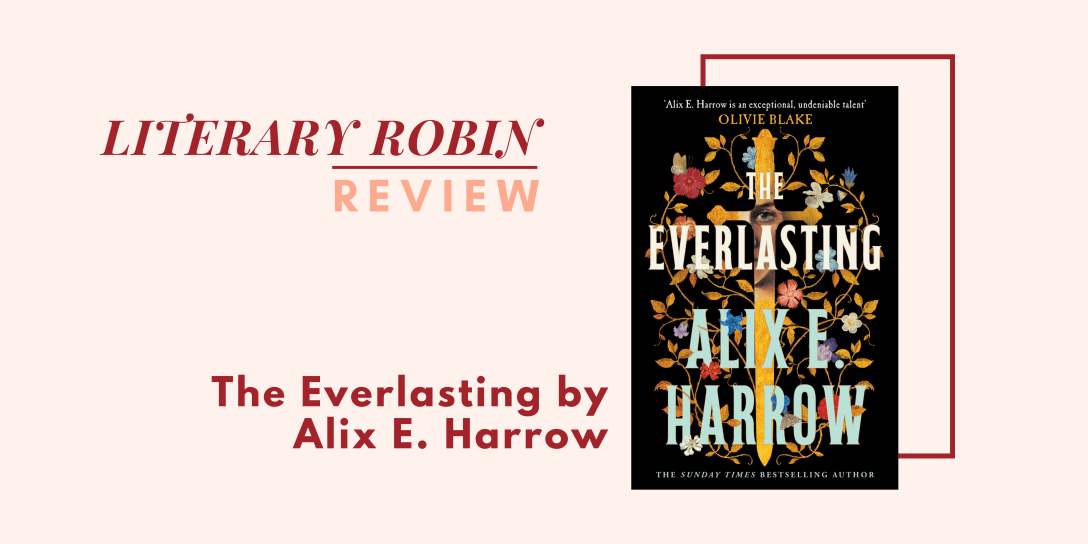
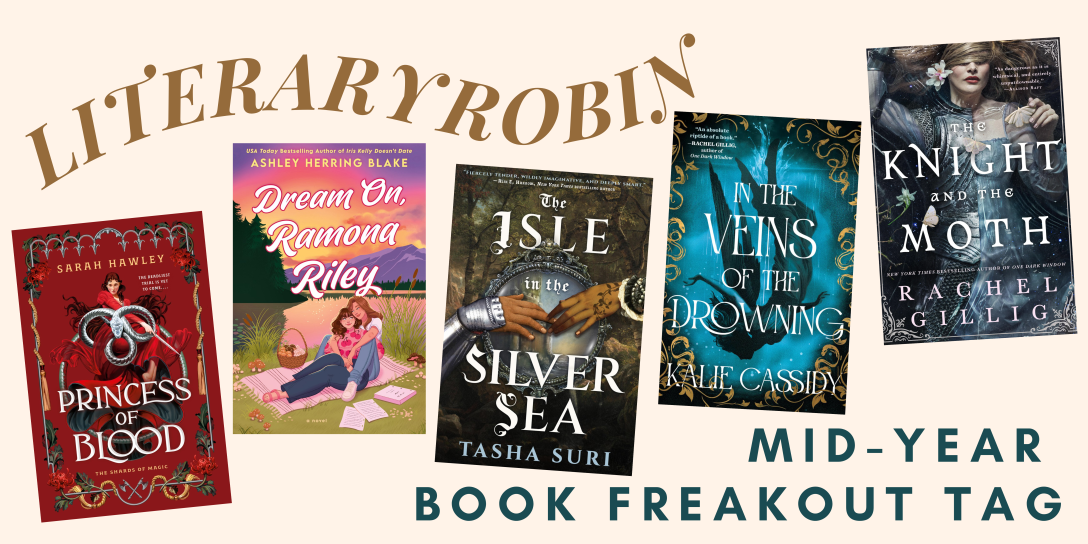
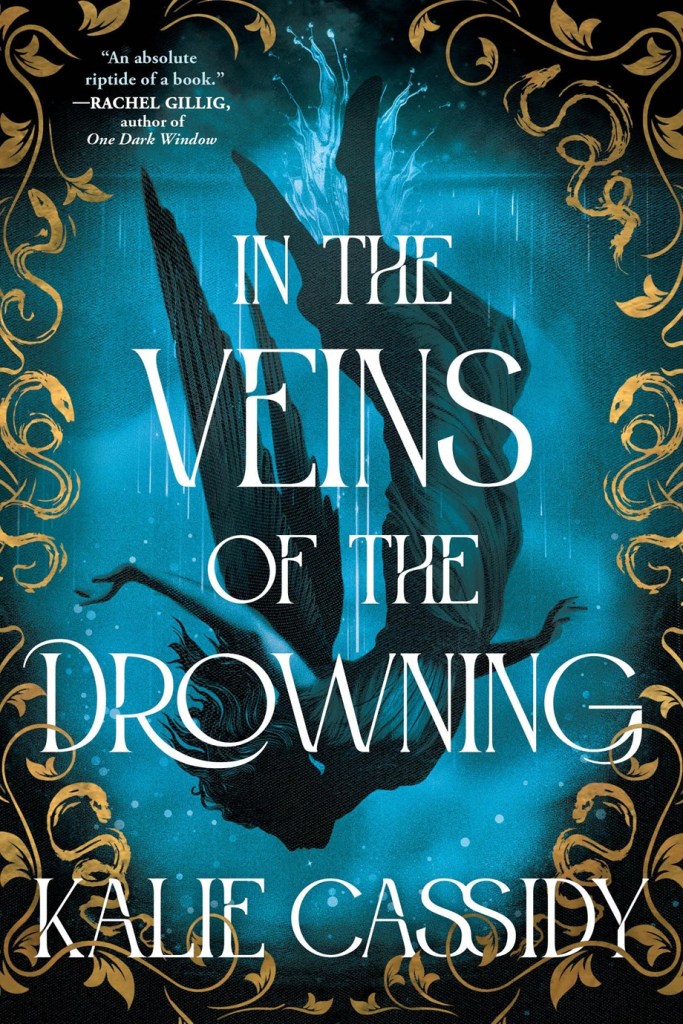
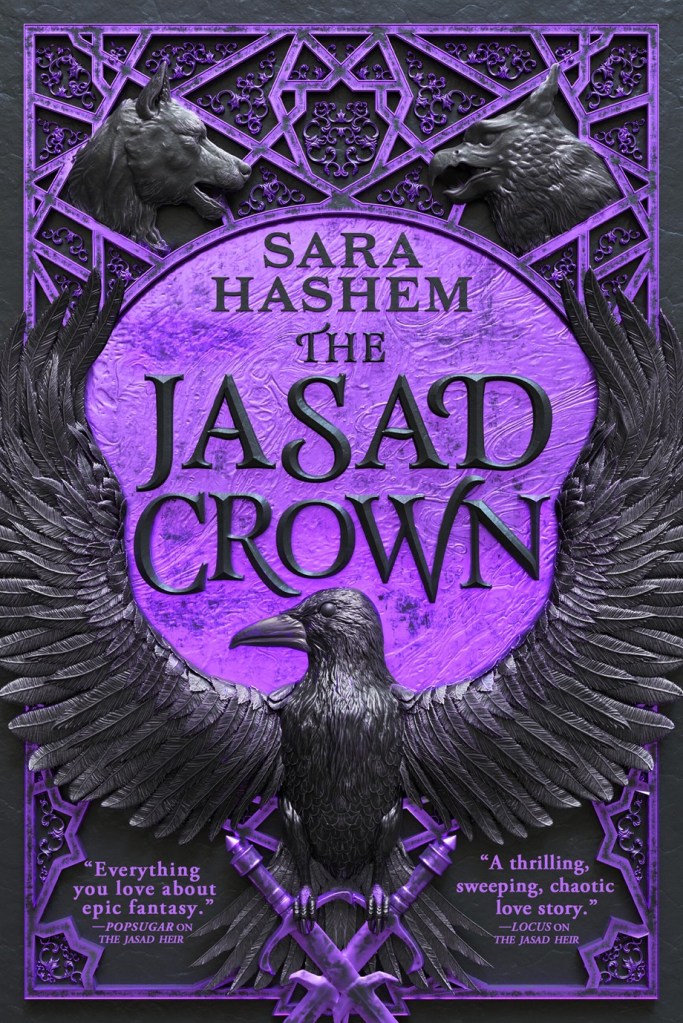
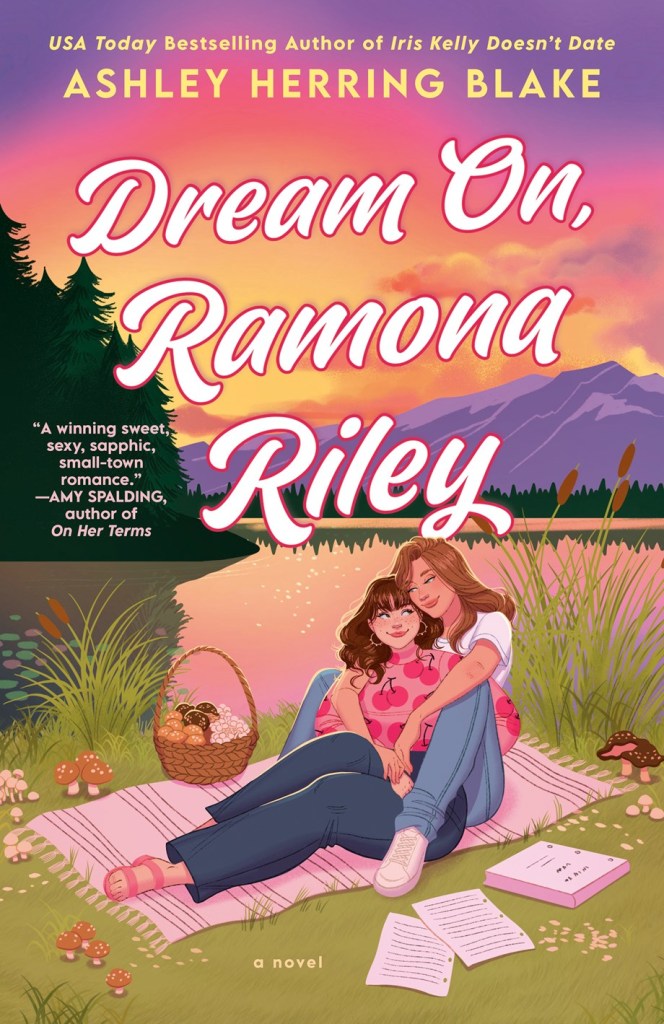
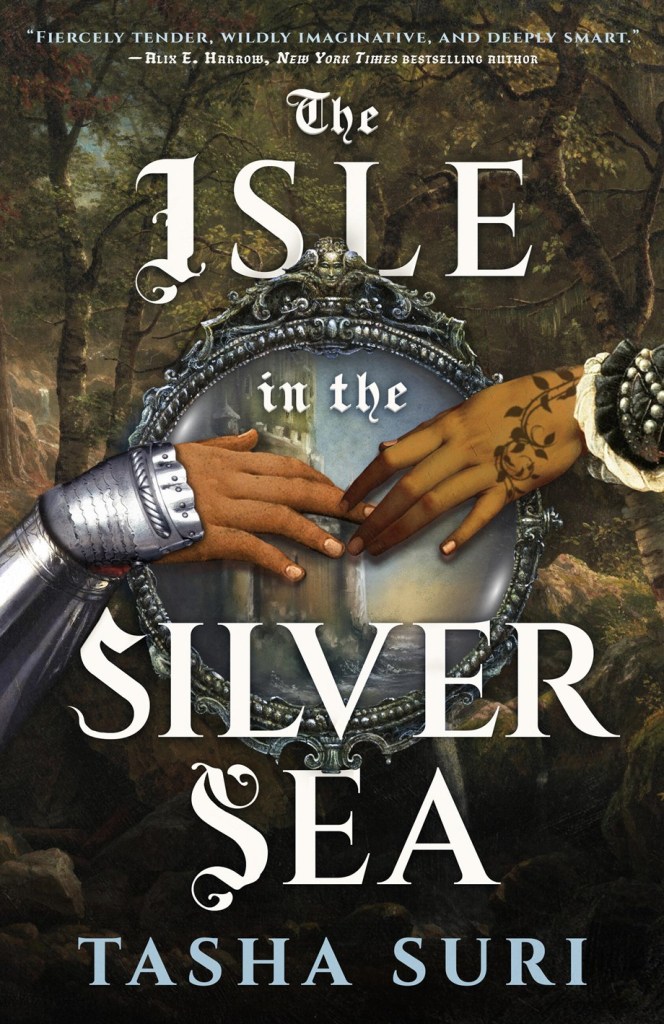
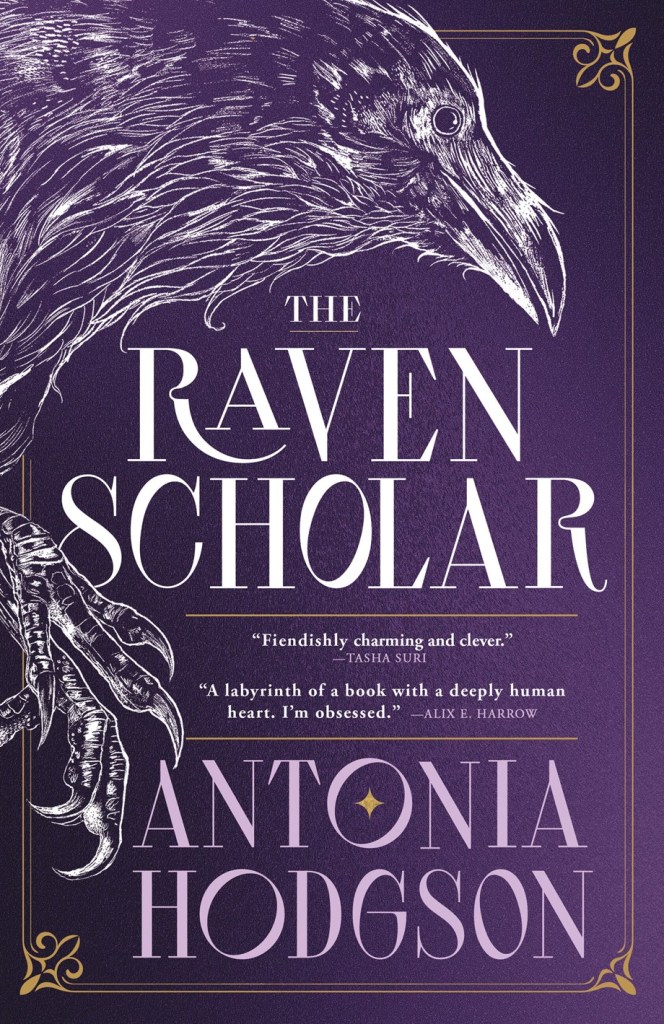
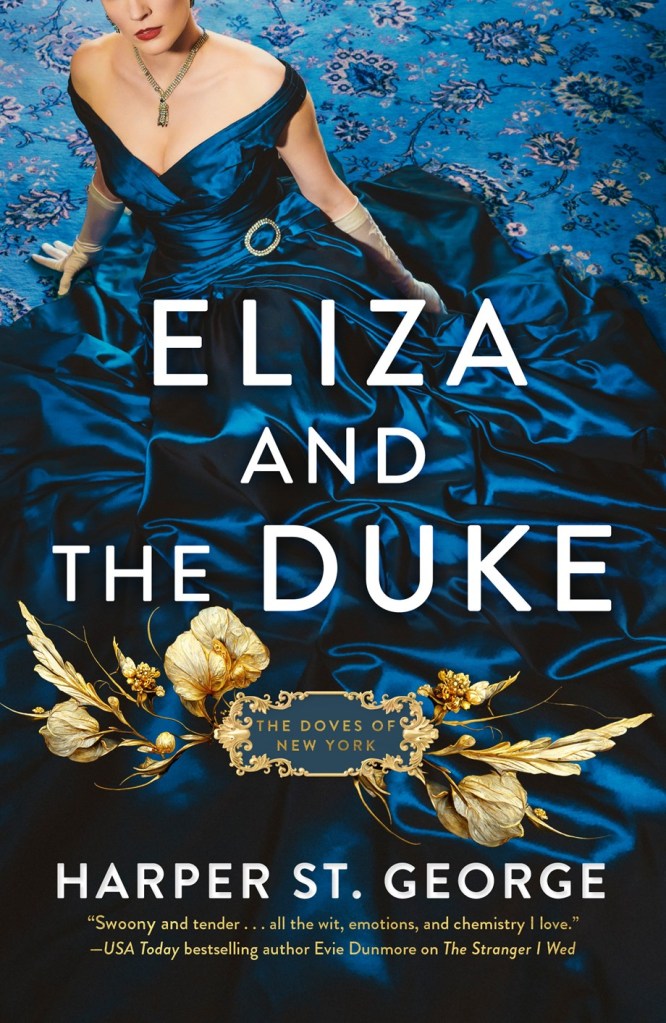
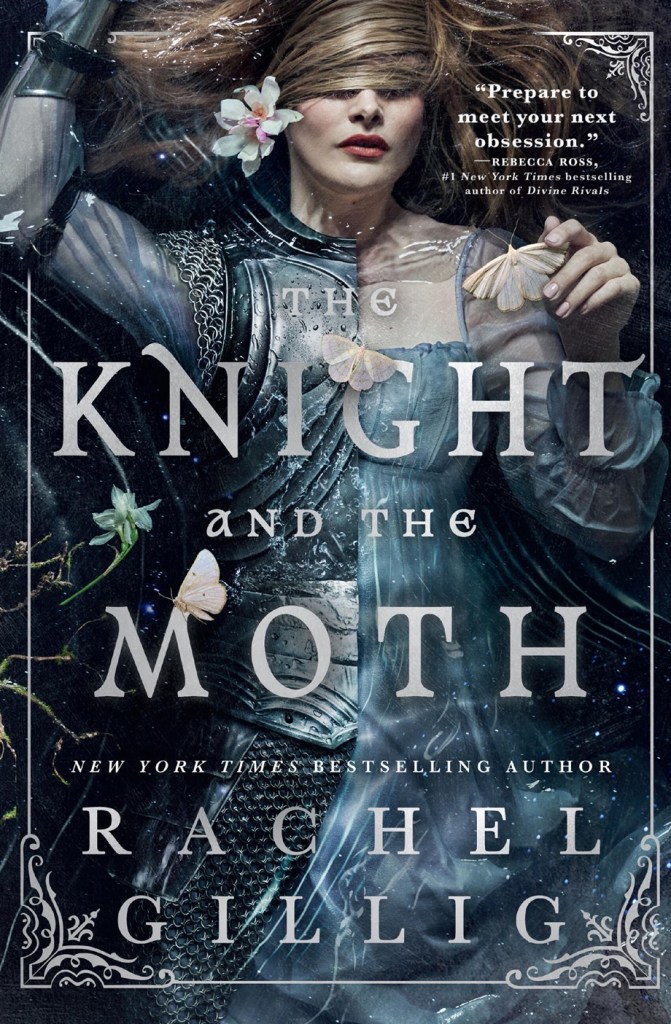
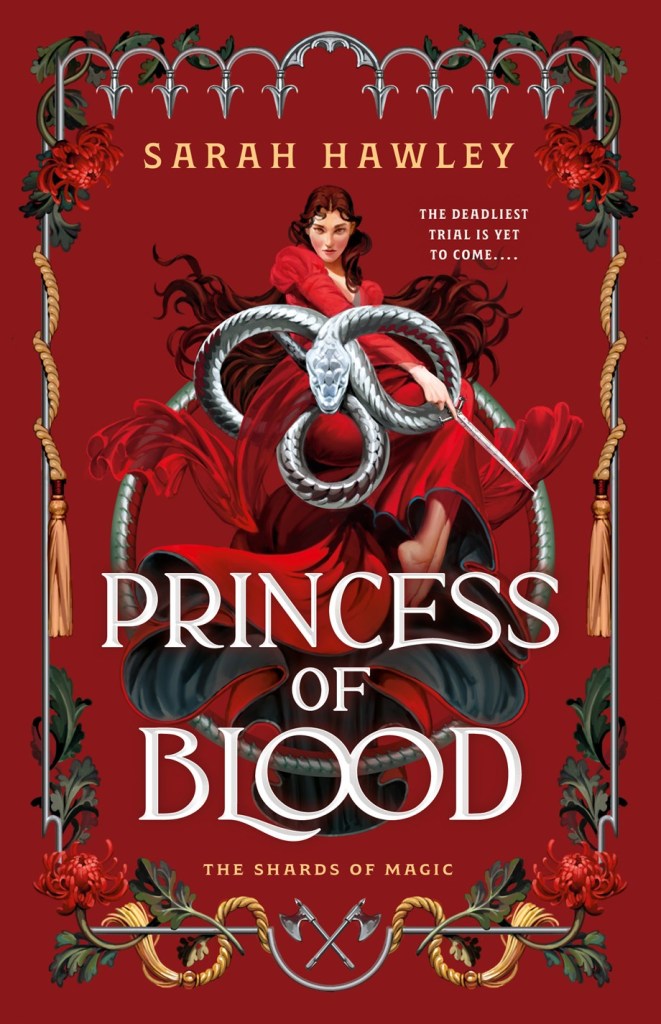
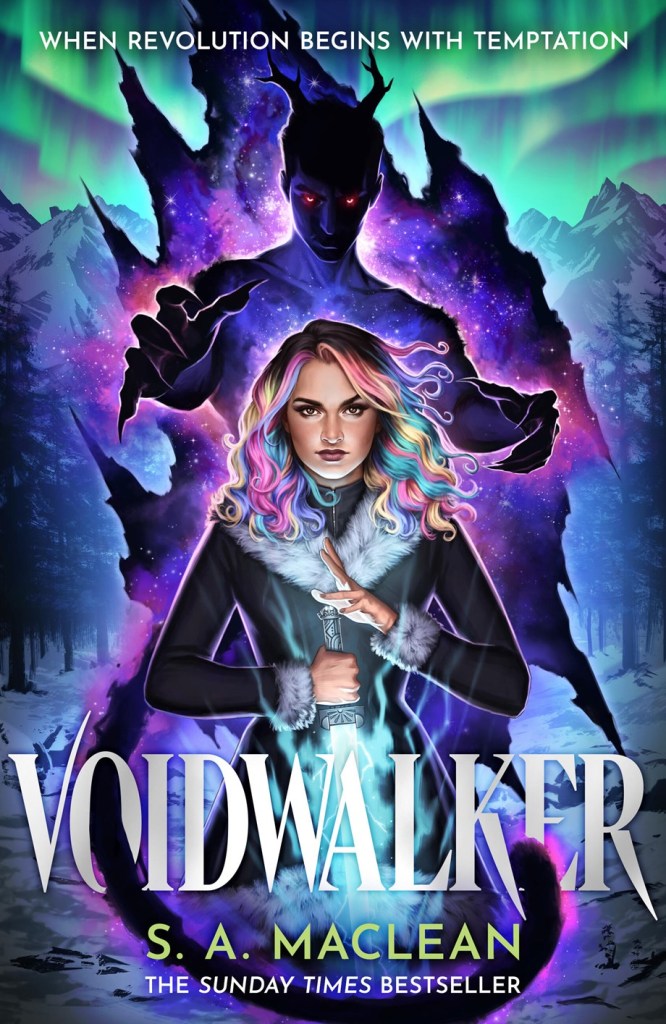
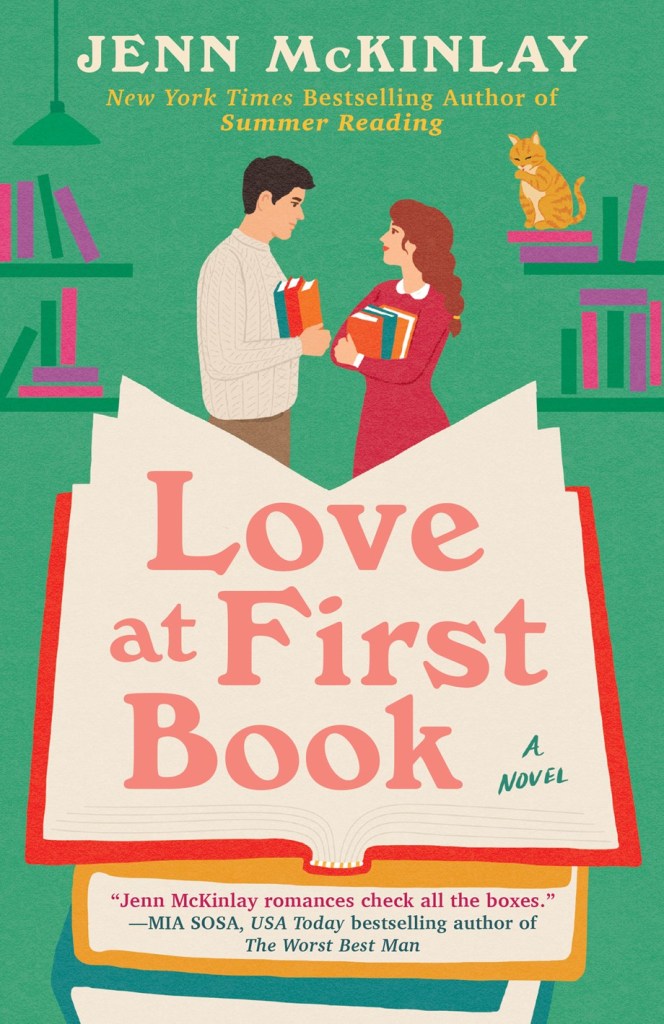
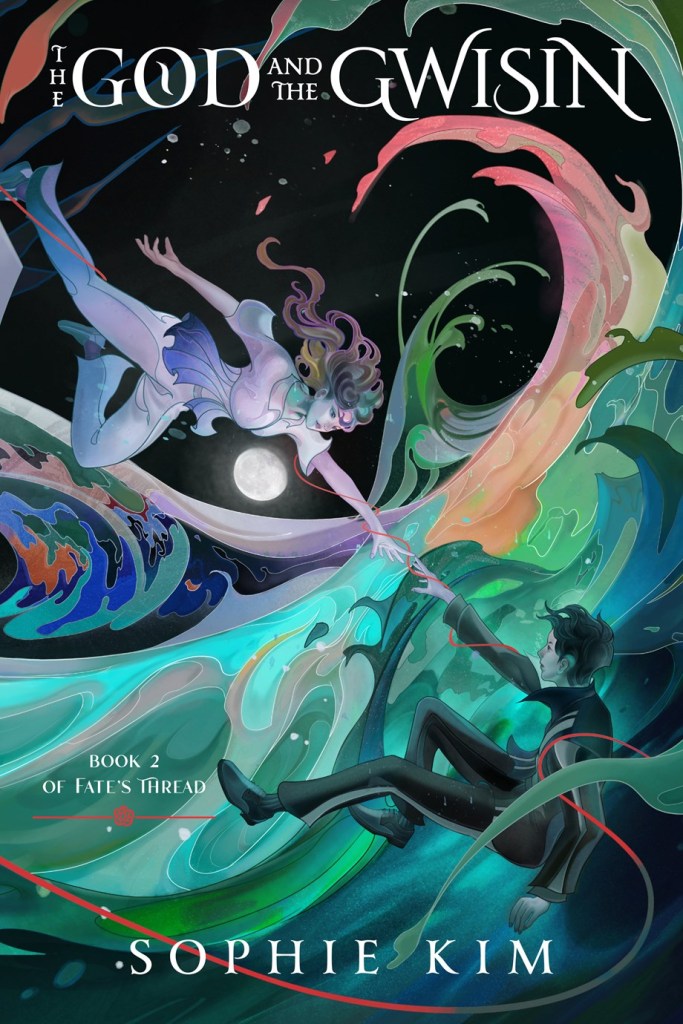
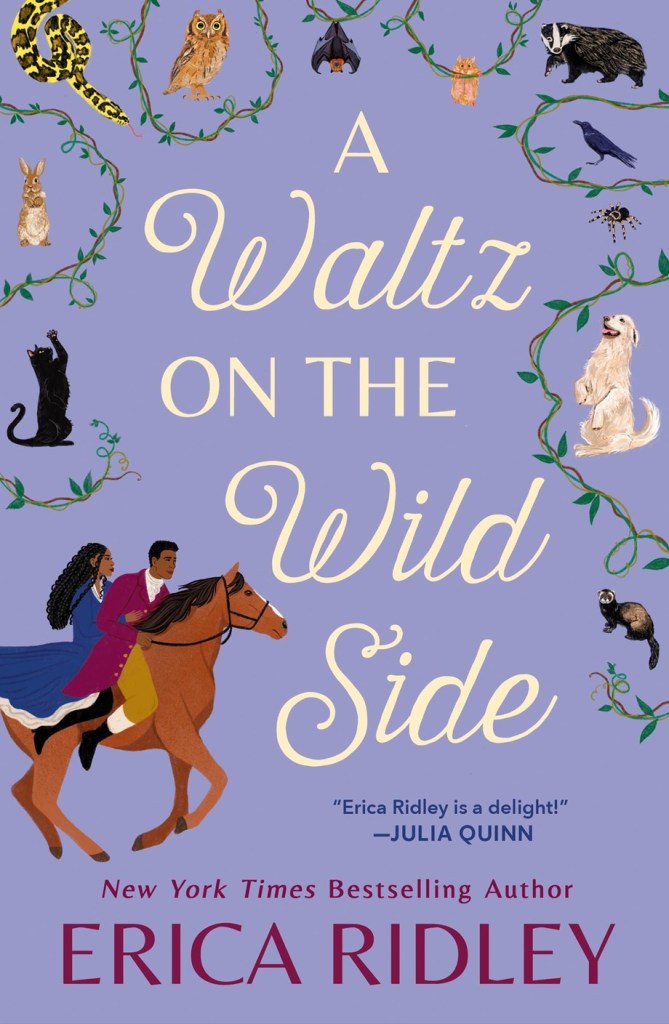
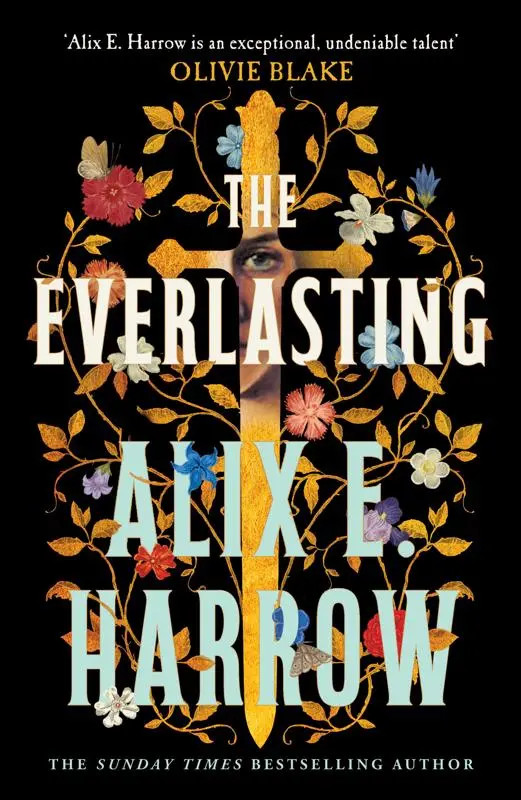
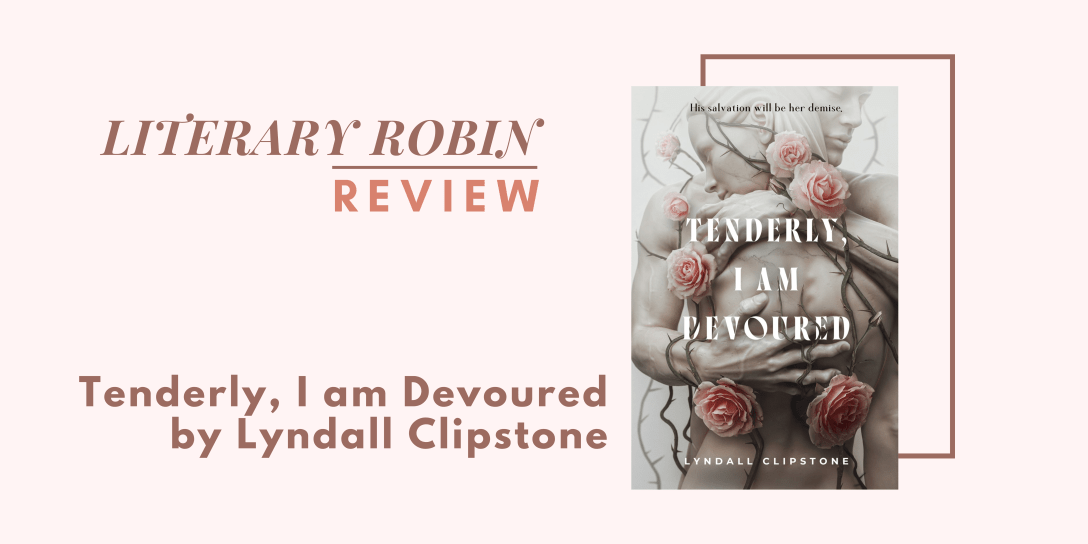
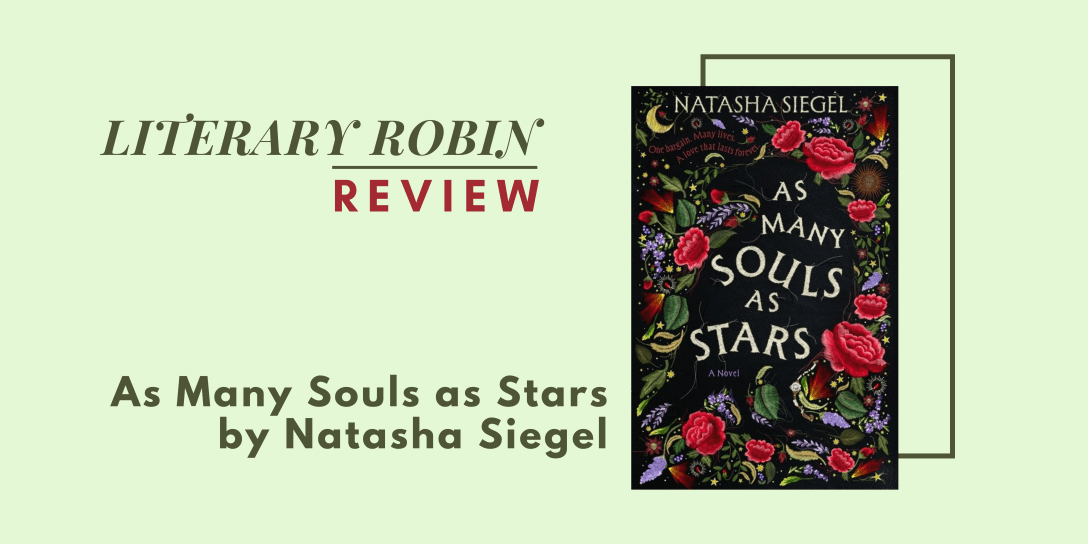
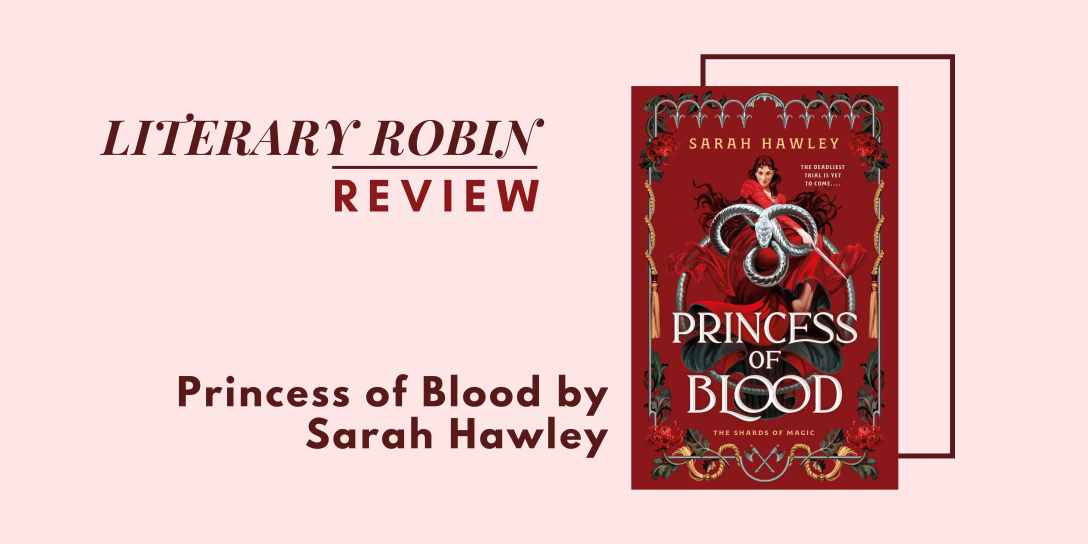
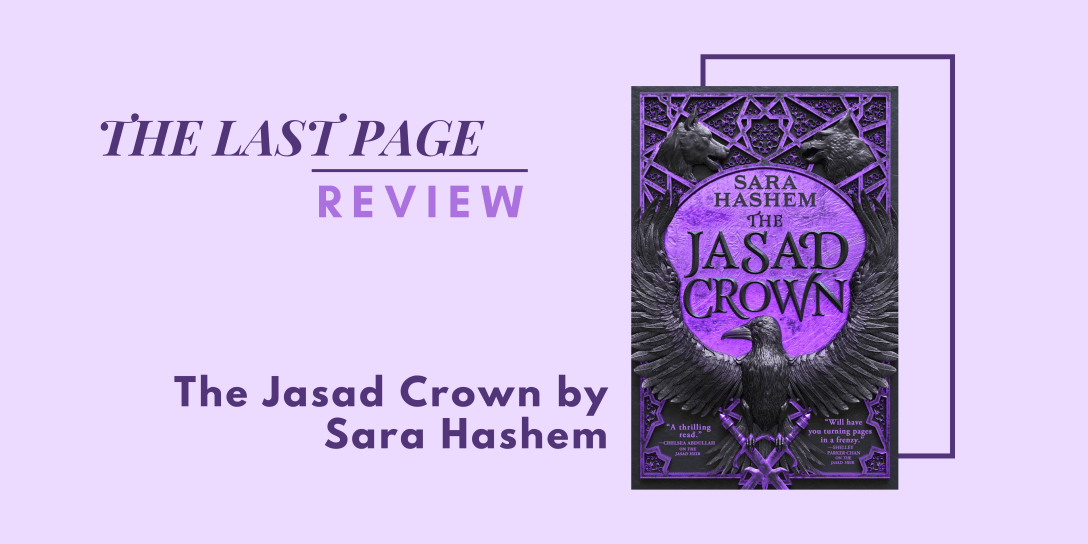
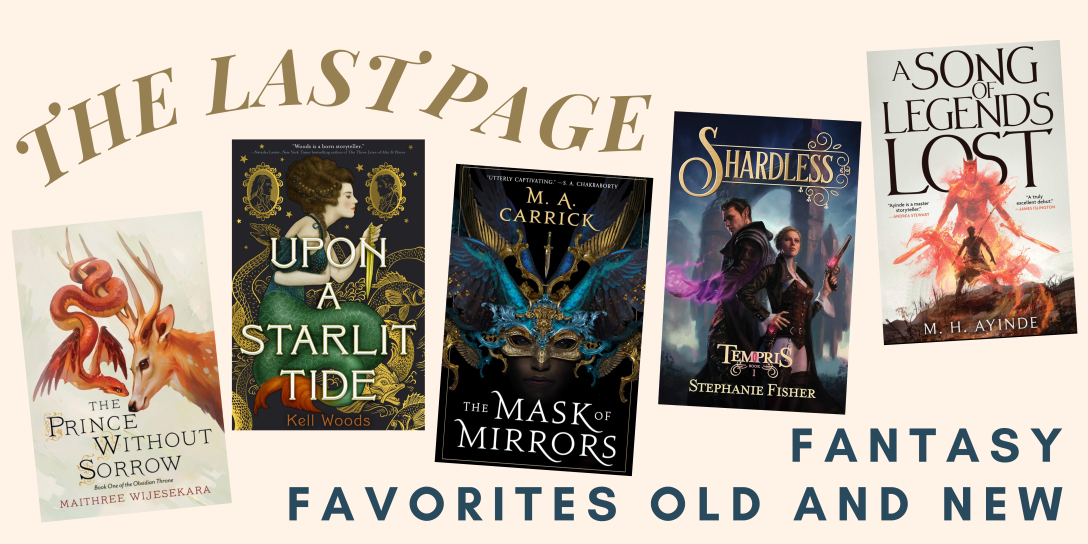
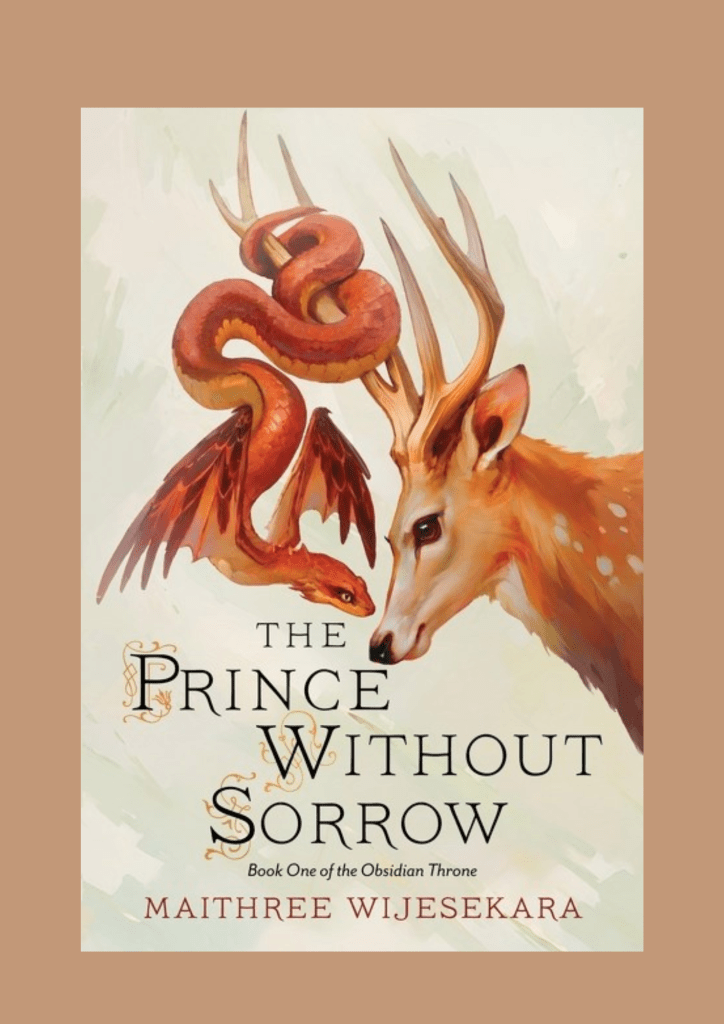
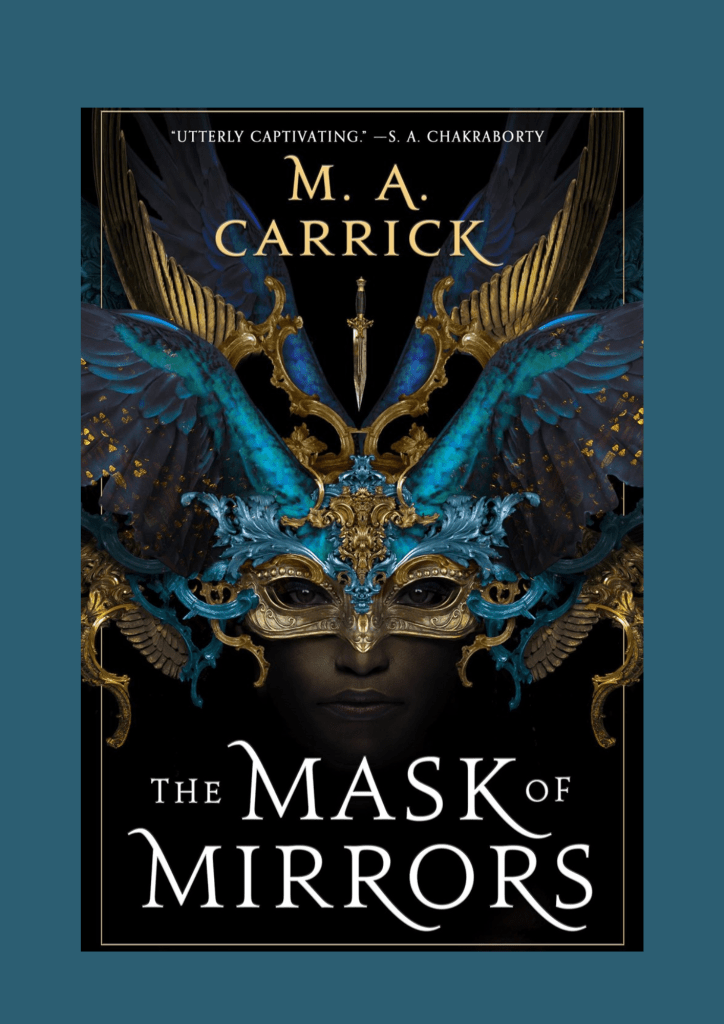
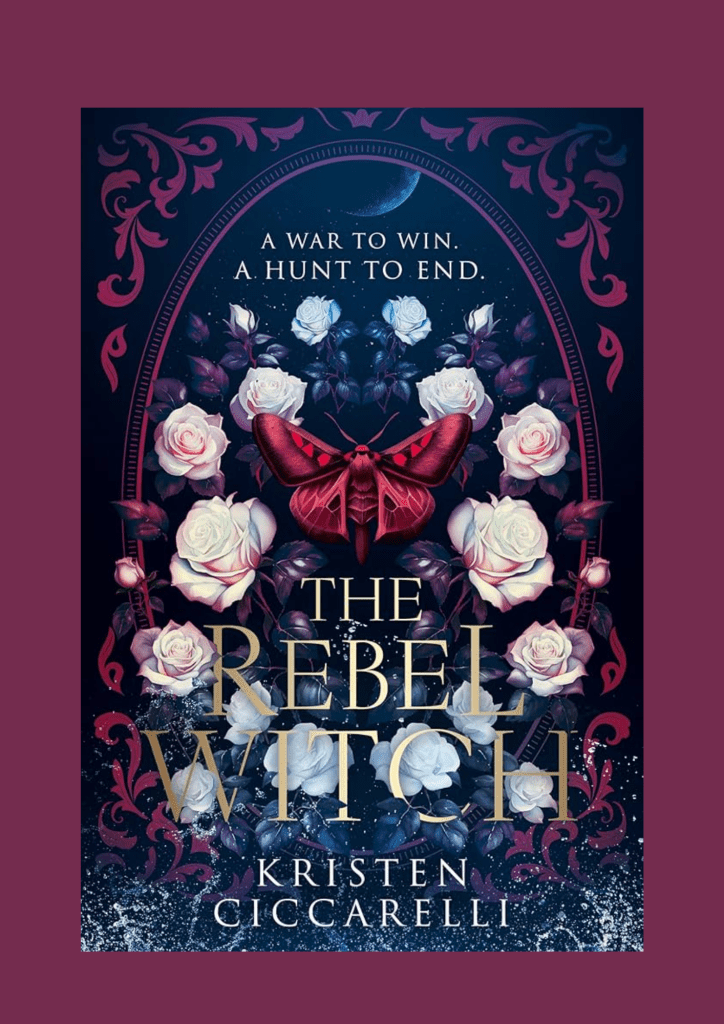
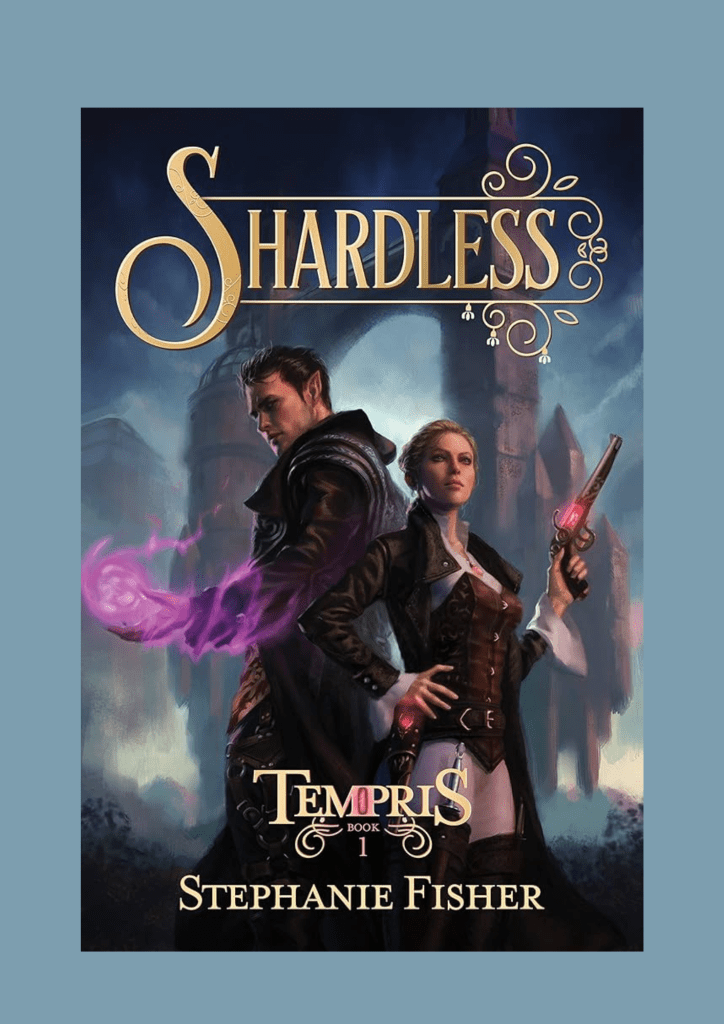
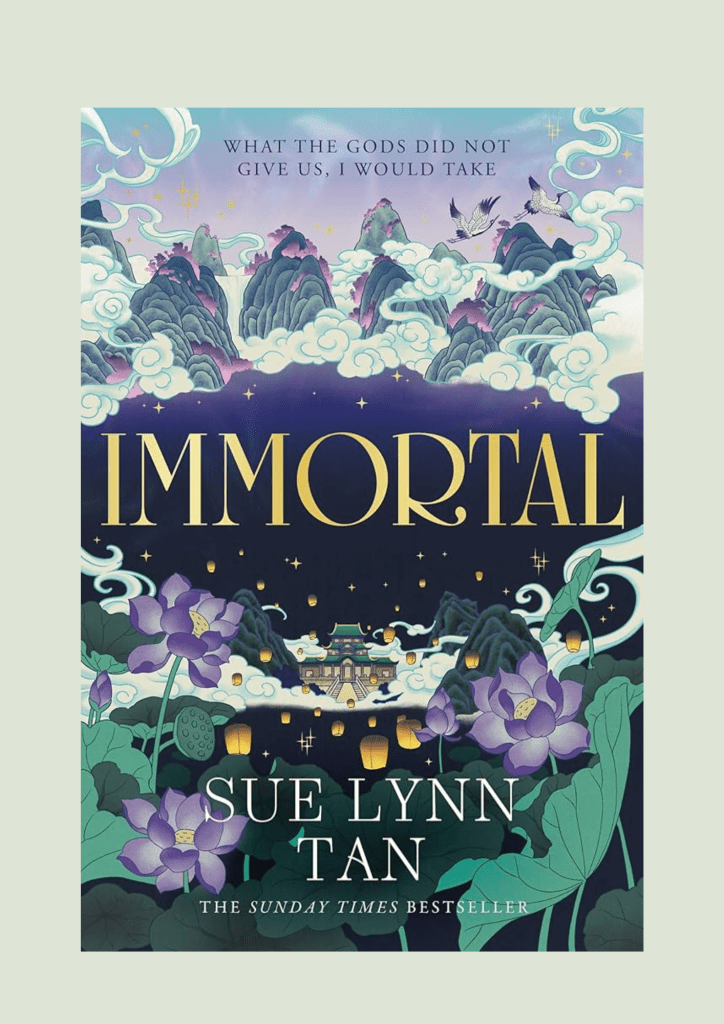
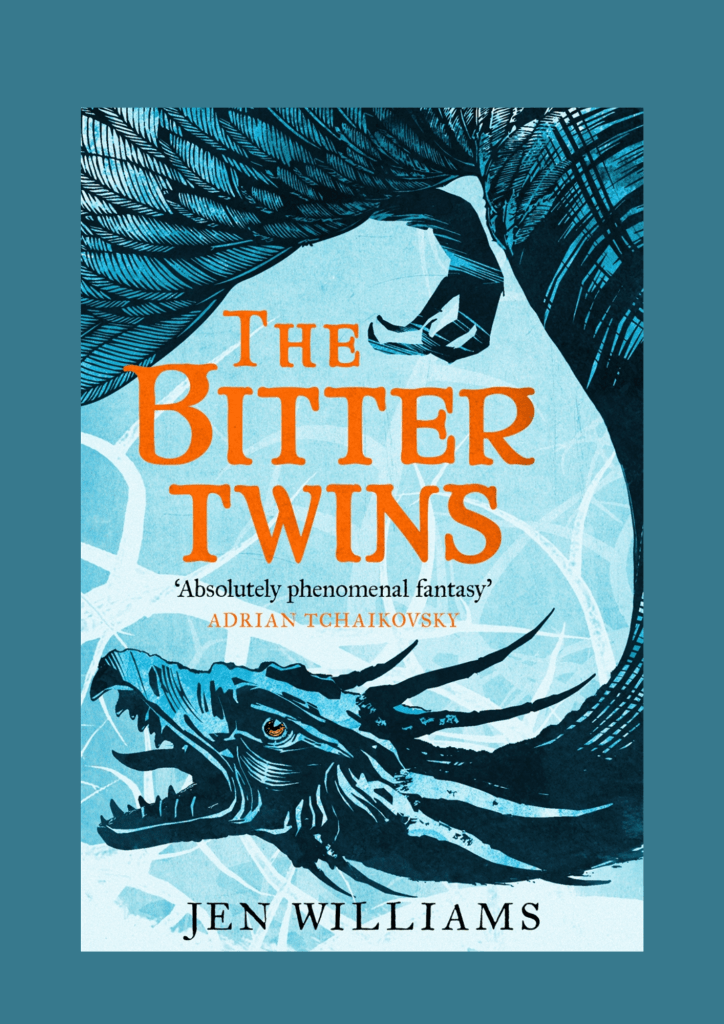
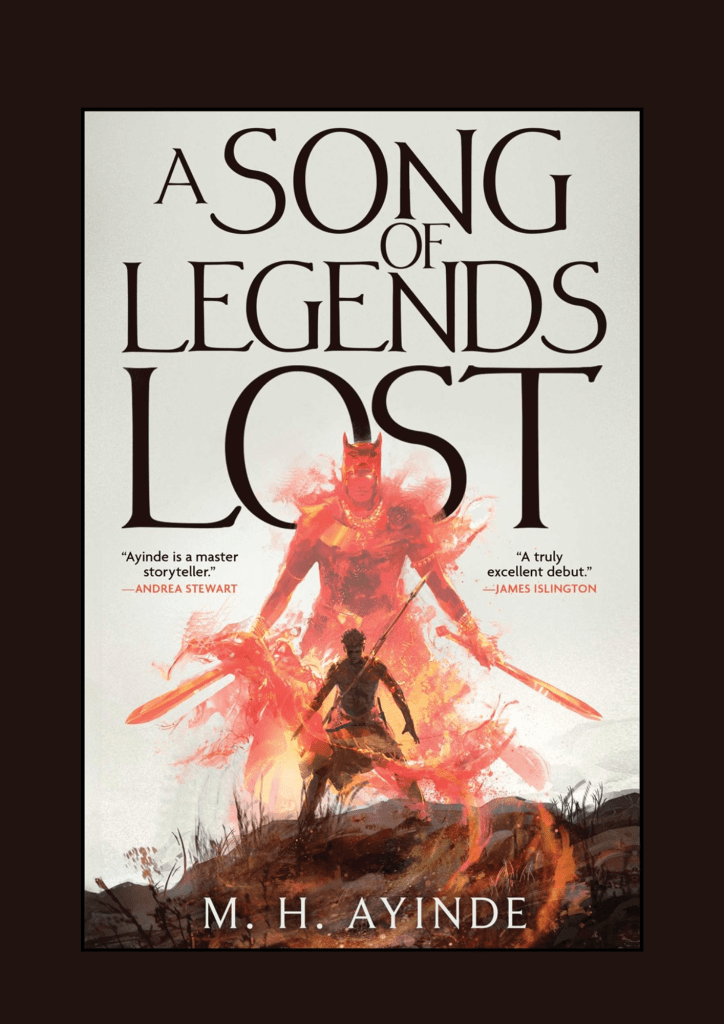
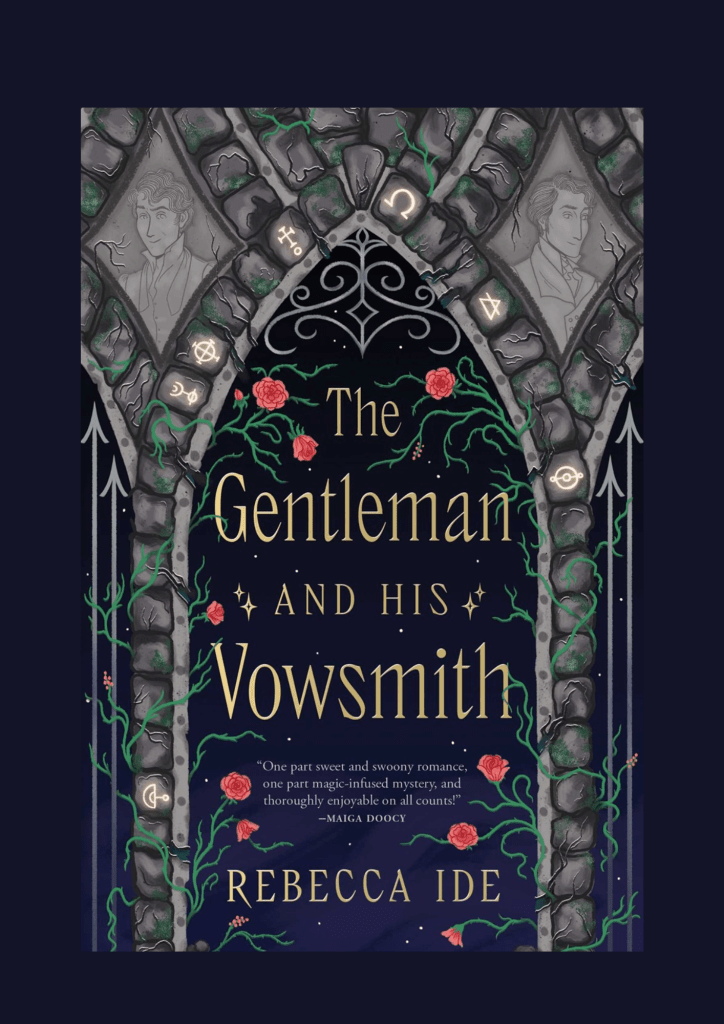
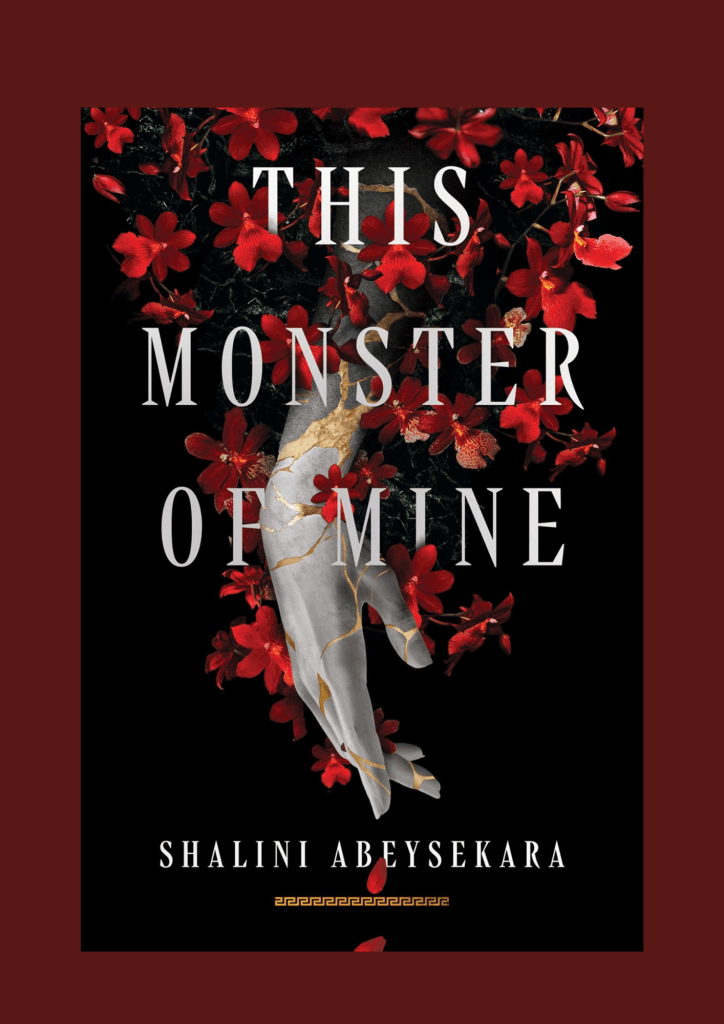
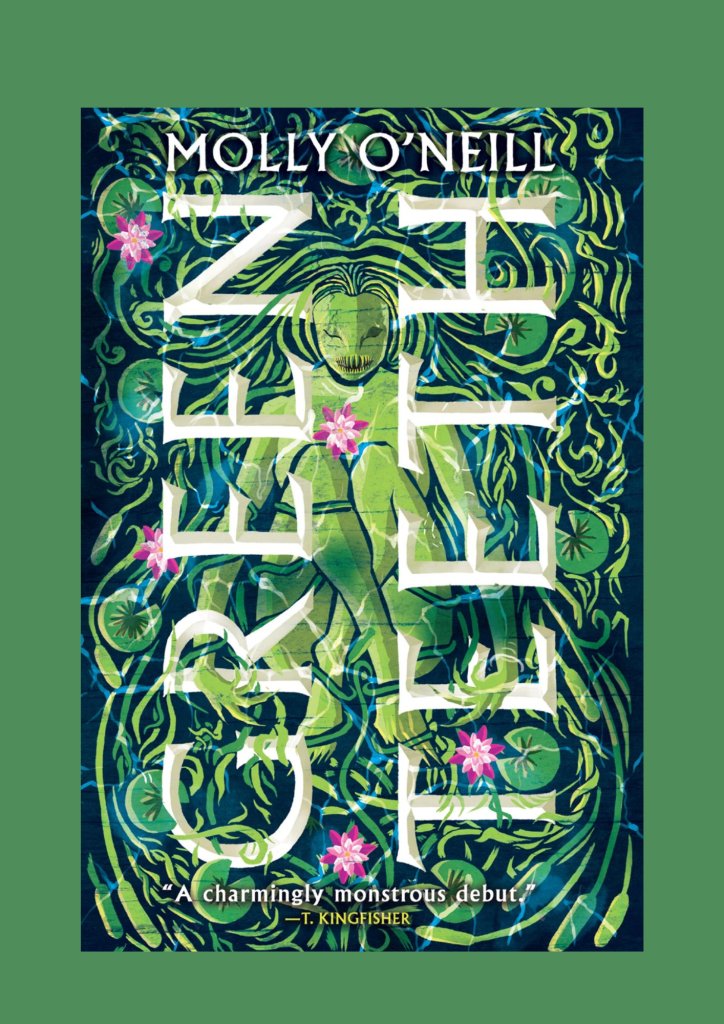
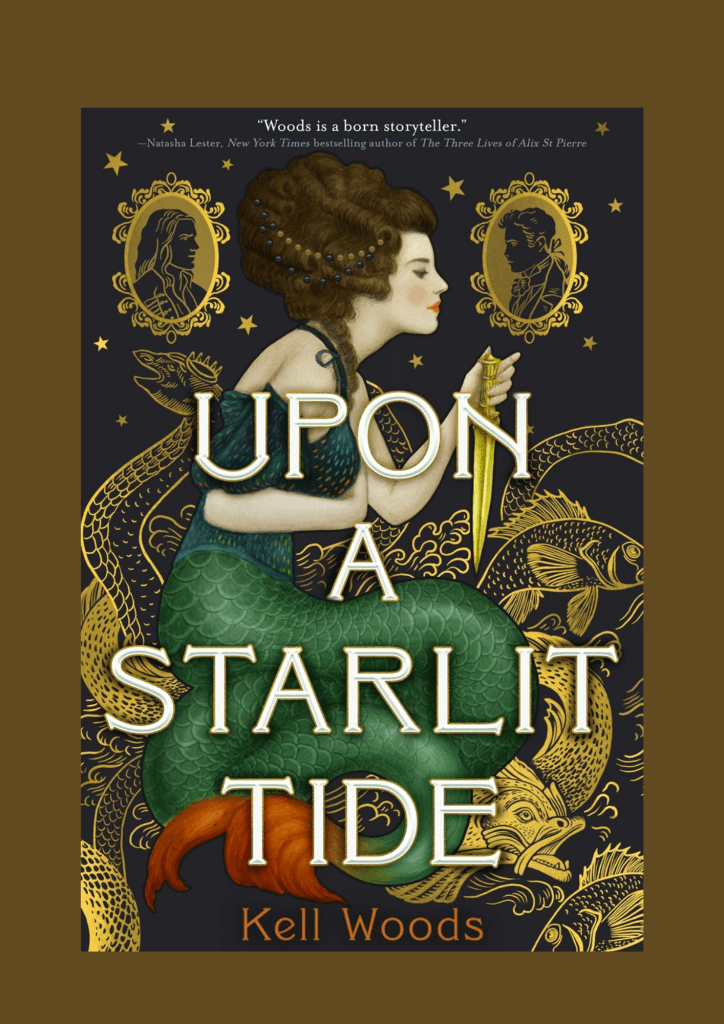
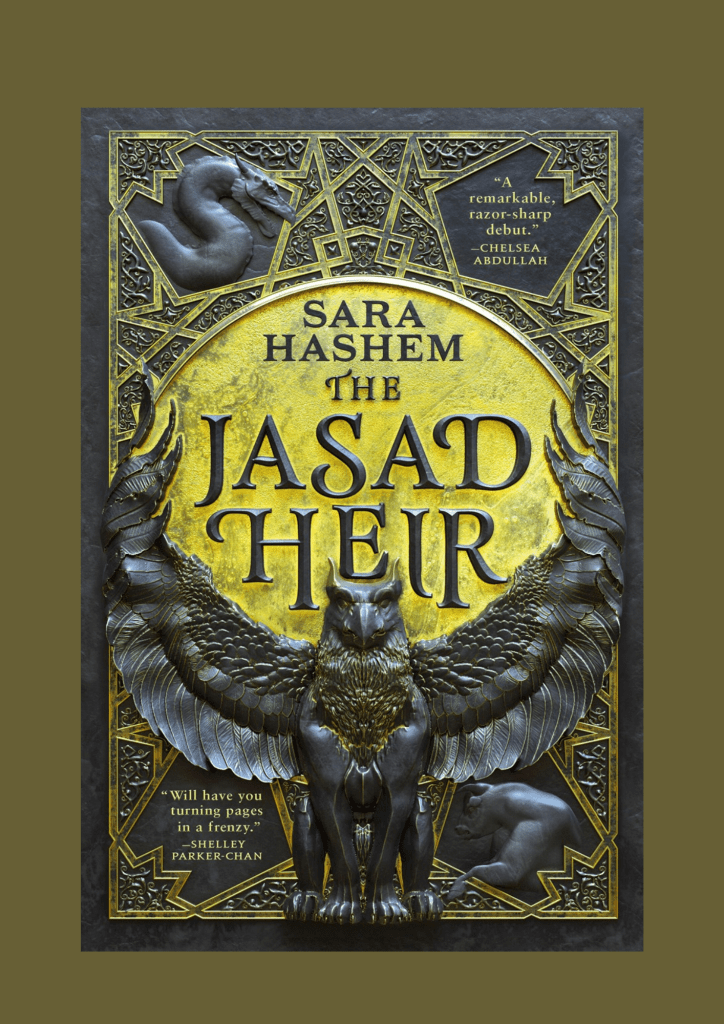
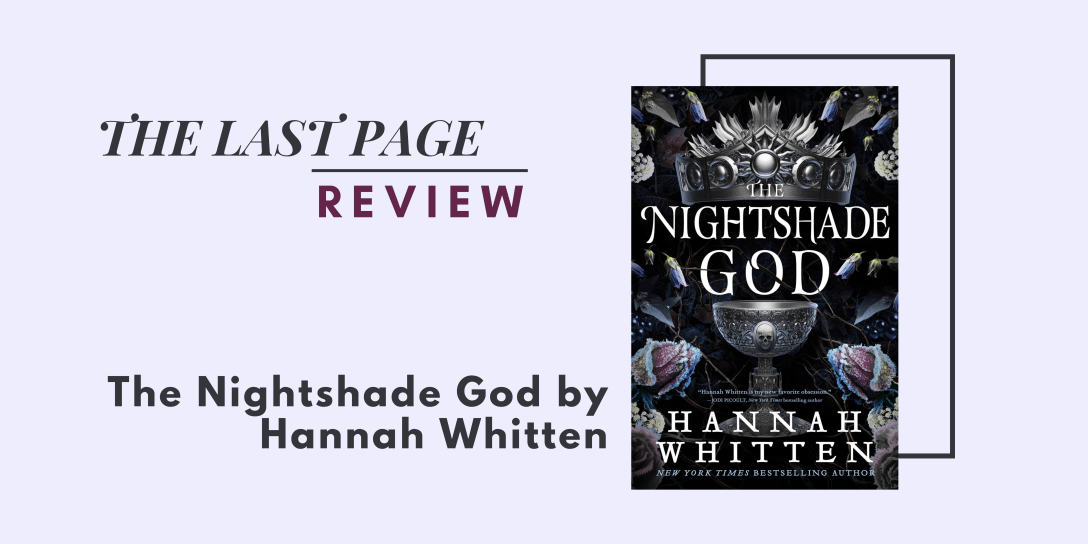
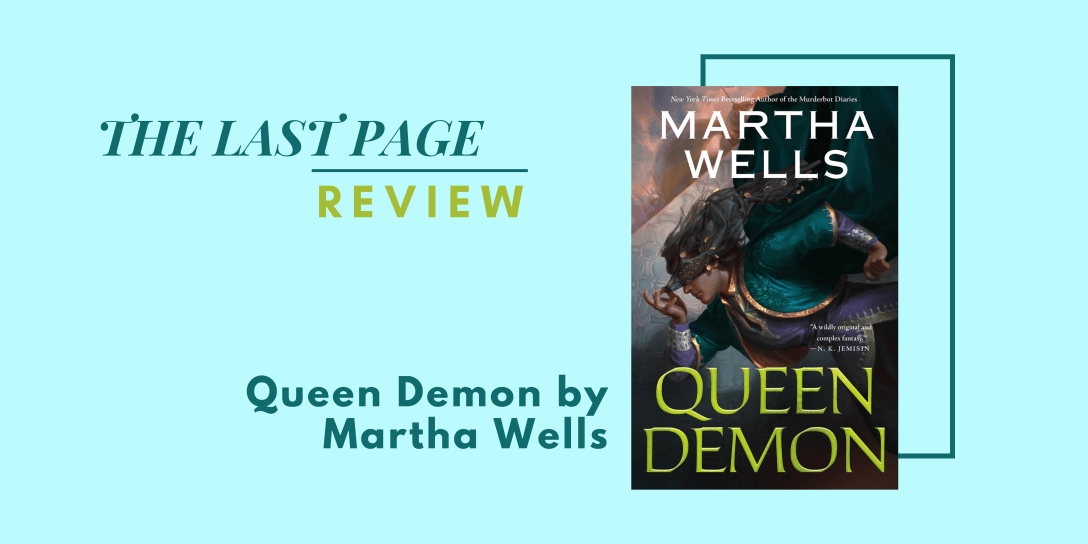
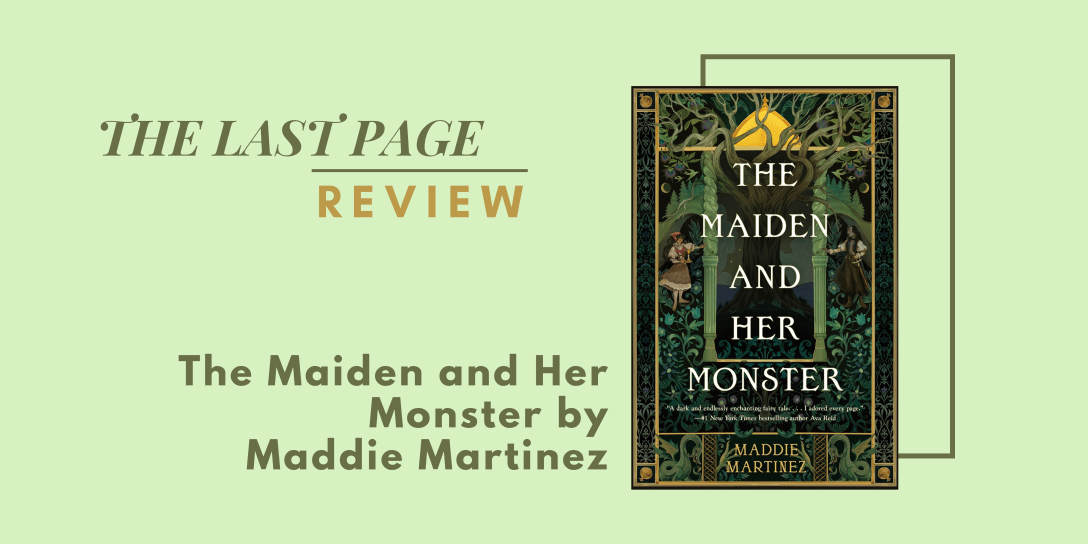
 Literaryrobin